Artemis II: Humanity’s Giant Leap Back to the Moon
NASA's Artemis II mission is set to launch, marking humanity's first crude return to the moon in over 50 years. The mission features international partners, historic firsts for astronauts, and aims to test systems for future Mars journeys.

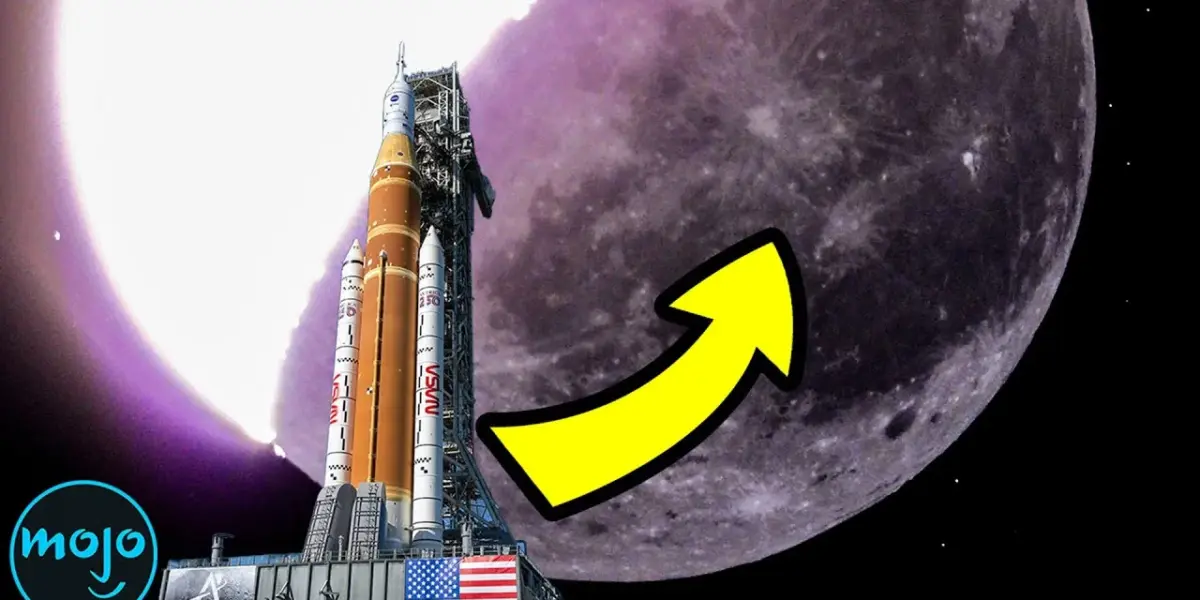
Artemis II: Humanity’s Giant Leap Back to the Moon
Get ready, space fans! NASA’s Artemis II mission is set to make history by sending humans back to the moon for the first time in over 50 years. This isn’t just a quick trip; it’s a major step towards exploring deeper into space, including a potential trip to Mars. The excitement is building as the mission prepares to launch, marking a new era of lunar exploration.
Europe Powers the Journey
Did you know that the European Space Agency (ESA) is a crucial partner in this mission? The European Service Module (ESM) is the powerhouse behind NASA’s Orion spacecraft. It’s not just for show; the ESM provides the essential electricity, propulsion, and temperature control that astronauts need to survive in the harsh environment of space. It even supplies the breathable air and drinking water for the long journey. For the first time, NASA is relying on an international partner to power a crewed deep space vehicle, showing that space exploration is now a global team effort.
Canada Makes History Too
Joining the crew is Canadian astronaut Jeremy Hansen, who will serve as a mission specialist. This makes Canada the second country ever to send a citizen beyond Earth’s orbit. It’s a massive milestone for the Canadian Space Agency and a clear sign of how international cooperation makes these incredible missions possible. Hansen’s role highlights a big change in space travel, where pooling resources and talents from different countries is key to achieving ambitious goals.
Massive Hardware for a Giant Task
To send humans to the moon, you need serious power. NASA’s Space Launch System (SLS) rocket is one of the most powerful rockets ever built. This towering rocket is designed specifically for deep space missions. It’s fueled by massive amounts of liquid hydrogen and oxygen and generates nearly 9 million pounds of thrust at launch. Fully loaded, the SLS weighs a staggering 5.7 million pounds. This incredible piece of engineering is what will push the Orion spacecraft and its crew out of Earth’s atmosphere and towards the moon.
A 10-Day Lunar Road Trip
Artemis II is planned as a 10-day mission. This relatively short trip is packed with critical tests. The crew will check all the life support systems and practice operations needed for future missions. After a flyby of the moon, the spacecraft will return to Earth, with the crew experiencing intense G-forces as they re-enter the atmosphere at about 25,000 mph before splashing down safely in the Pacific Ocean. It’s a quick trip, but every moment is vital for testing and gathering data.
No Moonwalks This Time
While this mission is a major step towards returning humans to the moon, don’t expect any moonwalks on this flight. The crew will orbit the moon and use its gravity to slingshot back to Earth. This flyby is a crucial safety test. Proving that this trajectory works is essential before future missions attempt complex landings. The astronauts will also practice emergency procedures and test the spacecraft’s radiation shelter. This careful approach ensures the safety of future crews.
A Practice Run for Mars
Going back to the moon is just the beginning. NASA sees the Artemis program as a vital stepping stone for sending humans to Mars. This mission will help engineers test deep space life support systems, long-distance communication, and precise navigation tools. Mastering these technologies on a trip to the moon is necessary before attempting the much longer and more challenging journey to the red planet. Think of Artemis II as a crucial dress rehearsal for interplanetary travel.
First Woman to Fly to the Moon
Mission specialist Christina Koch is making history as the first woman to travel to the moon. With an impressive background, including a record for the longest single space flight by a woman, Koch is well-prepared for this deep space journey. Her presence on the crew is a powerful symbol, paving the way for future generations of female astronauts to explore the cosmos. It sends a message that anyone with passion and hard work can reach for the stars.
First Person of Color to the Moon
Victor Glover, a decorated Navy test pilot, will become the first person of color to travel to the moon. Glover brings valuable experience from previous spaceflights, including missions to the International Space Station. His role on the Artemis II crew is significant, reflecting the diversity of the human race and inspiring people from all backgrounds to see themselves as part of this historic journey. It’s about showing that space exploration is for everyone.
Setting a New Distance Record
During this mission, the Orion capsule will travel farther from Earth than any previous human mission. The specific trajectory will take the crew approximately 4,700 miles past the far side of the moon. This means the Artemis II astronauts will hold the record for traveling the furthest into deep space, surpassing the achievements of the Apollo astronauts over 50 years ago. This new record highlights the ambitious goals of this new generation of space explorers.
Breaking a Half-Century Dry Spell
The most significant aspect of Artemis II is that it breaks a dry spell of over 50 years since humans last traveled to the moon. The last crewed lunar mission was Apollo 17 in December 1972. For perspective, none of the Artemis II astronauts were even alive when humans last walked on the moon. After decades focused on low Earth orbit, NASA is finally returning to deep space exploration, rekindling a dream that had been on hold for half a century.
Source: Top 10 Things You Need to Know About Artemis II (YouTube)

Related Articles


Last Man on Moon Shares Wisdom for Artemis II Crew
Harrison Schmitt, the last man to walk on the Moon, shares his reflections and advice for the upcoming Artemis II mission. The geologist astronaut emphasizes the scientific value of lunar exploration and encourages the new generation of spacefarers to embrace the experience.


President Hints at Iran War End, Gas Prices Soar
President Trump signaled a potential end to the war in Iran within weeks, even as gas prices soared above $4 a gallon. The U.S. continued strikes on Iran, while an American journalist was kidnapped in Iraq. In other news, a judge halted President Trump's White House ballroom project, Tiger Woods is seeking treatment after a DUI arrest, and NASA prepares for a historic Moon mission launch.


Gas Prices Surge as Iran War Fuels Inflation, Artemis II Nears Moon
Average gas prices have surged past $4 per gallon due to the ongoing conflict with Iran, as details about the war remain opaque and unverified. Meanwhile, NASA's Artemis II mission is on the verge of liftoff, preparing for the first human journey to the Moon in over 50 years, aiming to test vital systems and pave the way for future lunar landings.