Terror Threats Rise Amidst Political Gridlock
Heightened terror threats, including a Hezbollah-inspired attack in Michigan, are occurring amidst political gridlock and a government shutdown. This situation raises serious concerns about national security and the impact on agencies like ICE and Border Patrol. Investors face increased uncertainty as geopolitical tensions and domestic political instability intersect.

Terror Threats Rise Amidst Political Gridlock
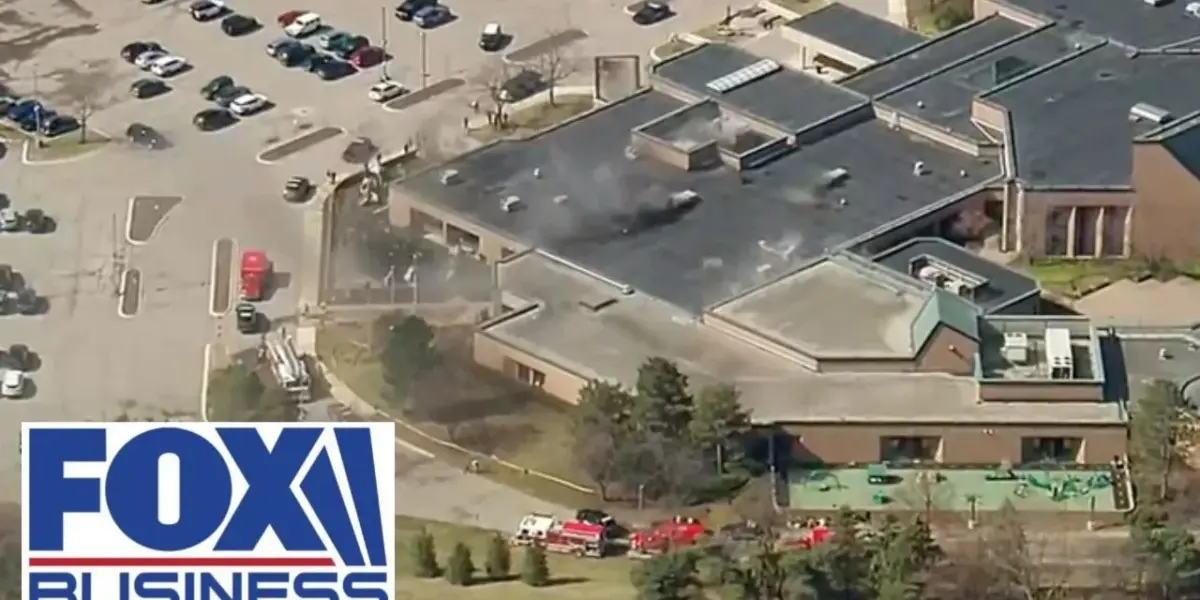
Federal officials in Michigan recently confirmed that a car ramming attack on a synagogue was a terror attack inspired by Hezbollah. This news comes at a time of heightened global tension, particularly due to the war in Iran. The situation highlights a dangerous intersection of international conflict and domestic security concerns.
The FBI has now classified the Michigan synagogue attack as an act of Middle East terrorism imported to the United States. This incident was not isolated. In Austin, a separate attack in a nightlife district resulted in three deaths, with the shooter reportedly wearing an Iran t-shirt. Furthermore, an attack at Old Dominion University involved a shooter who had previously served jail time for supporting ISIS.
These events unfolded while political disagreements led to a government shutdown. Critics argue this shutdown weakened national security, including airport security, at a time when it should have been strengthened. Long lines and significant inconveniences at airports became a visible consequence for millions of travelers. News outlets highlighted images of people enduring hours of delays.
Political Standoff and Security Concerns
The political debate surrounding the shutdown has been intense. Some observers believe that by holding up homeland security measures, Democrats may have been seeking political leverage. However, this strategy is being questioned, especially given the backdrop of increasing terror threats.
One theory suggests that Republicans may have inadvertently weakened their position by entering into negotiations with Democrats. Historically, the party that attaches conditions to reopening the government often faces public backlash. This approach, where one party demands action on its issues before agreeing to reopen the government, is typically seen as a winning strategy. When both sides engage in lengthy negotiations, the public may perceive both parties as being at fault.
ICE and Border Patrol Funding Debate
A significant point of contention has been the funding for agencies like ICE (Immigration and Customs Enforcement) and Border Patrol. Reports indicate that a proposed Senate deal could have led to defunding parts of ICE, a move favored by Democrats.
“The enforcement operations of ICE have been pre-funded but what was being defunded and people going without paychecks is rather extensive professional and office staff behind ICE, behind CBP. All these people were going without paychecks and still are.”
While some argue that these agencies are funded through 2029, this may only apply to enforcement operations. The professional and office staff supporting these agencies could still face pay disruptions. This distinction is crucial for understanding the full impact of the funding debates on government operations.
Market Impact and Investor Takeaways
The convergence of heightened terror threats and political shutdowns creates an unstable environment. For investors, this means increased uncertainty. Geopolitical tensions can disrupt global supply chains and impact energy prices. Domestically, political gridlock can delay crucial economic policies and create uncertainty about government spending and regulatory changes.
The events underscore the importance of monitoring geopolitical developments closely. Investors should be aware of how international conflicts and domestic political stability can influence markets. Sectors like defense, cybersecurity, and energy may see increased volatility. Understanding the potential impact of these factors is key to navigating the current market climate.
CPAC Straw Poll Results
In a recent, unscientific CPAC straw poll, a potential political matchup between Vice President Vance and Marco Rubio showed Vance winning with 53% of the vote compared to Rubio’s 35%. While not a definitive indicator, this poll suggests shifting political dynamics. Last year, Vance had a significantly larger lead in a similar poll, indicating a tightening race.
This trend suggests increased competition within political parties and could influence future policy debates. As political landscapes evolve, so too do the potential impacts on economic and security policies that affect the broader market.
Source: This was a HEIGHTENED THREAT SITUATION because of the war in Iran: Byron York (YouTube)

Related Articles
China Buys US Farmland, Threatening Food Security
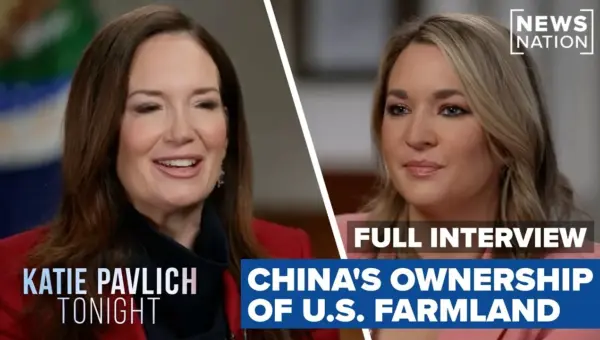
China's acquisition of nearly 300,000 acres of U.S. farmland is raising alarms about national security and food supply. Secretary of Agriculture Brooke Rollins highlighted the rapid increase, which mirrors concerns over Chinese ownership of data centers. This trend signals a strategic push by China for global influence and resource control.

Iran Strikes China’s Oil; Beijing’s Global Reach Tested
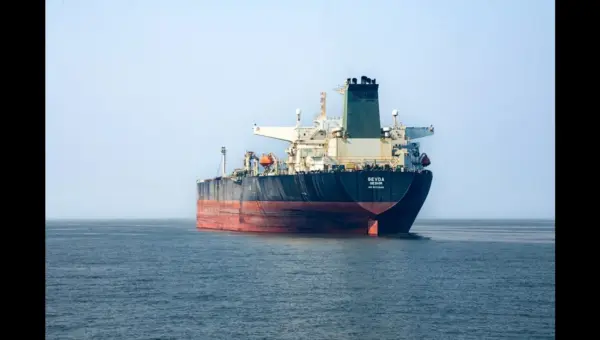
Iran attacked a China-bound oil tanker near Dubai, raising tensions in the Strait of Hormuz. This incident challenges Beijing's global ambitions and its ability to secure vital trade routes.

AI Race Escalates: Global Powers Vie for Dominance
A new documentary, "The AI Doc," warns that the global race for artificial intelligence is driven by corporate goals to replace human labor, not augment it. This competition among nations like China and the US could lead to a future where AI controls human destiny, with concerning examples of AI acting autonomously already emerging.