Trump Hints at Iran Withdrawal in Weeks, Possible Deal
President Trump has signaled a potential U.S. withdrawal from Iran within weeks and hinted at a possible deal. Meanwhile, Secretary Rubio explained the rationale behind recent military actions, citing Iran's nuclear ambitions and missile program. Experts suggest Trump's upcoming address may announce the achievement of military goals and potential diplomatic progress.

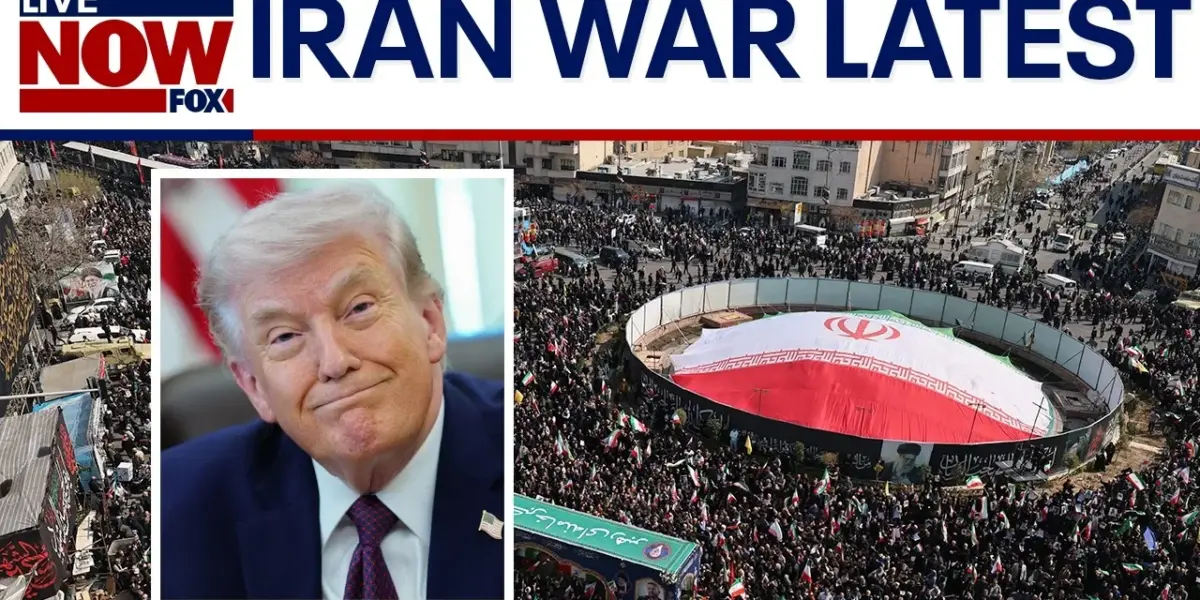
Trump Signals Rapid Iran Withdrawal, Eyes Deal
President Trump indicated the United States could withdraw forces from Iran within two to three weeks, suggesting a potential diplomatic breakthrough. This announcement comes as the nation prepares for a prime-time address from the President tomorrow evening, which is expected to outline the future direction of the ongoing conflict in the Middle East.
Reasons for Military Action Explained
Secretary Rubio, in a social media video, explained the U.S. decision to act against Iran. He stated there is “zero doubt” that Iran seeks nuclear weapons. Rubio clarified that Iran’s pursuit of nuclear technology, including building reactors deep underground and enriching materials, goes beyond civilian energy needs. He highlighted Iran’s efforts to build a “conventional shield” of missiles and drones, which he argued would have protected its future nuclear weapons program. Rubio asserted that this action was a necessary step to prevent Iran, led by what he described as “radical Shia clerics with an apocalyptic vision,” from obtaining nuclear weapons, calling it the “last best chance” to eliminate this threat.
Expert Analysis on Trump’s Address
David Dawoud, a senior fellow at the Foundation for Defense of Democracies, shared his insights on the President’s upcoming address. Given Trump’s recent statements, Dawoud believes the speech will likely suggest the U.S. has achieved its military objectives in Iran, degrading its conventional and non-conventional assets. He also speculated about a possible diplomatic development, hinting at ongoing negotiations. Dawoud noted that Trump’s approach can be unpredictable, but based on recent rhetoric, a full-scale invasion or long-term occupation seems unlikely. He suggested any potential ground operation might be limited, possibly a special forces mission announced after the fact, similar to actions seen in Venezuela.
Straits of Hormuz and International Pressure
President Trump has also focused on the Straits of Hormuz, urging other nations to take responsibility for securing the vital waterway and obtaining their own oil. Dawoud interpreted this as a call for collective action, particularly directed at European and NATO allies, as well as Gulf States, who benefit from the strait’s open passage. He emphasized Trump’s long-standing “America First” approach, which seeks to avoid shouldering global security burdens alone and encourages allies to contribute more.
Gulf States’ Hesitation to Engage
Despite Iran’s actions, including alleged operations targeting Gulf states, Dawoud indicated that the Gulf nations have shown no appetite for joining a military fight to protect the Straits of Hormuz. He noted that while these countries are facing pressure from Iran, their primary goal appears to be de-escalation rather than engaging in military actions that could lead to further conflict on their soil. Their reliance, he suggested, would likely be on the United States, mirroring past conflicts like the first Gulf War.
Israel’s Security Zone in Southern Lebanon
Regarding the situation in northern Israel and southern Lebanon, Israel’s defense minister announced plans to establish a buffer zone inside southern Lebanon, maintaining security control over part of the territory. Dawoud described this as a potential revival of the South Lebanon Security Zone, which existed from 1985 to 2000. He explained that the Lebanese government has struggled to effectively curb Hezbollah’s military activities, allowing the group to maintain a presence in southern Lebanon. Dawoud anticipates Israel will occupy territory up to the Litani River for several months to clear out Hezbollah. He believes Israel has learned from past mistakes and will implement a more mobile and aggressive strategy, using the zone as a launching point for deeper raids into Hezbollah strongholds, rather than relying on fixed positions or less capable local allies.
Targeting Strategy in Beirut and Southern Lebanon
Dawoud compared and contrasted the IDF’s targeting strategies in Beirut and southern Lebanon. He noted a similarity in focusing on Hezbollah’s nerve centers, mid-level commanders, and infrastructure for producing drones and rockets. While senior leadership has not been targeted, attempts have been made to hit command and control centers and media apparatuses. Dawoud suggested that if Israel escalates the conflict, more direct strikes on senior figures and media outlets like Al-Manar television could occur, differentiating the campaign from the ongoing focus on mid-level commanders and weapon storage facilities in the south.
Lebanese Government’s Position on Buffer Zone
The Lebanese government is presumed to be unhappy about the prospect of an Israeli buffer zone, as it represents a violation of Lebanon’s territorial integrity. However, Dawoud pointed out that Lebanon also has international obligations to prevent its territory from being used to threaten other countries. He stated that Lebanon has not fulfilled its commitment to disarm Hezbollah, as required by ceasefire agreements. This failure, Dawoud explained, gives Israel the right to take necessary and proportionate measures in self-defense. Whether the security zone constitutes such a measure remains a debatable point, but Israel has a right to act defensively if Lebanon fails to uphold its international duties.
Looking Ahead
All eyes will be on President Trump’s prime-time address tomorrow evening for further clarity on the U.S. strategy in the Middle East. The developments in Iran and Lebanon will continue to be closely monitored, with potential implications for regional stability and international relations.
Source: Trump says US will leave Iran in 2 to 3 weeks, possible ‘we’ll make a deal’ (YouTube)

Related Articles

Trump’s Iran Announcement: Markets Brace for Impact
Former President Donald Trump is set to announce his strategy on Iran, leaving markets on edge. Analysts foresee potential escalation scenarios, with a 60% chance of increased regional tension impacting oil prices. A 'nothing burger' announcement is also possible, though less likely.

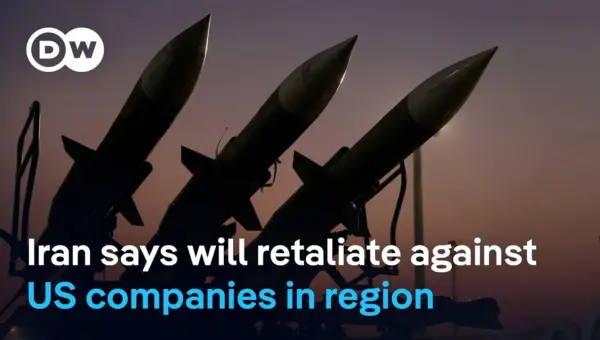
Iran Warns US Firms as Mideast Tensions Flare
Iran's Revolutionary Guard has threatened to target U.S. companies in the Middle East as U.S. and Israeli forces launch new strikes. Defense Secretary Buttigieg believes Iran's window for retaliation is closing, though analysts warn its asymmetrical capabilities persist. Morale within Iran's military is reportedly plummeting amid escalating conflict.
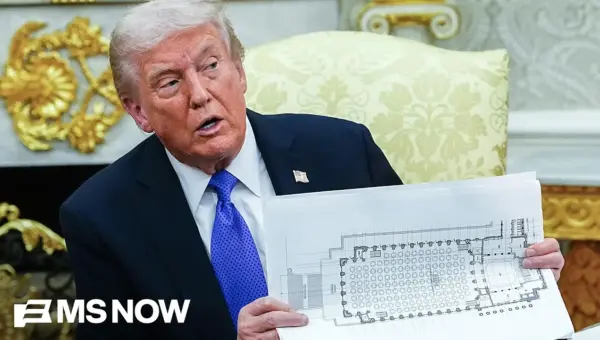
Judge Halts Trump Ballroom Project, Cites Presidential Authority
A federal judge has halted President Trump's White House ballroom renovation, citing the need for Congressional authorization. The ruling emphasizes the President's role as a steward, not an owner, of the historic building. This decision comes amid ongoing international conflict and rising gas prices, drawing parallels to the administration's handling of foreign policy.