Iran Strikes China’s Oil; Beijing’s Global Reach Tested
Iran attacked a China-bound oil tanker near Dubai, raising tensions in the Strait of Hormuz. This incident challenges Beijing's global ambitions and its ability to secure vital trade routes.

Iran Strikes China’s Oil; Beijing’s Global Reach Tested
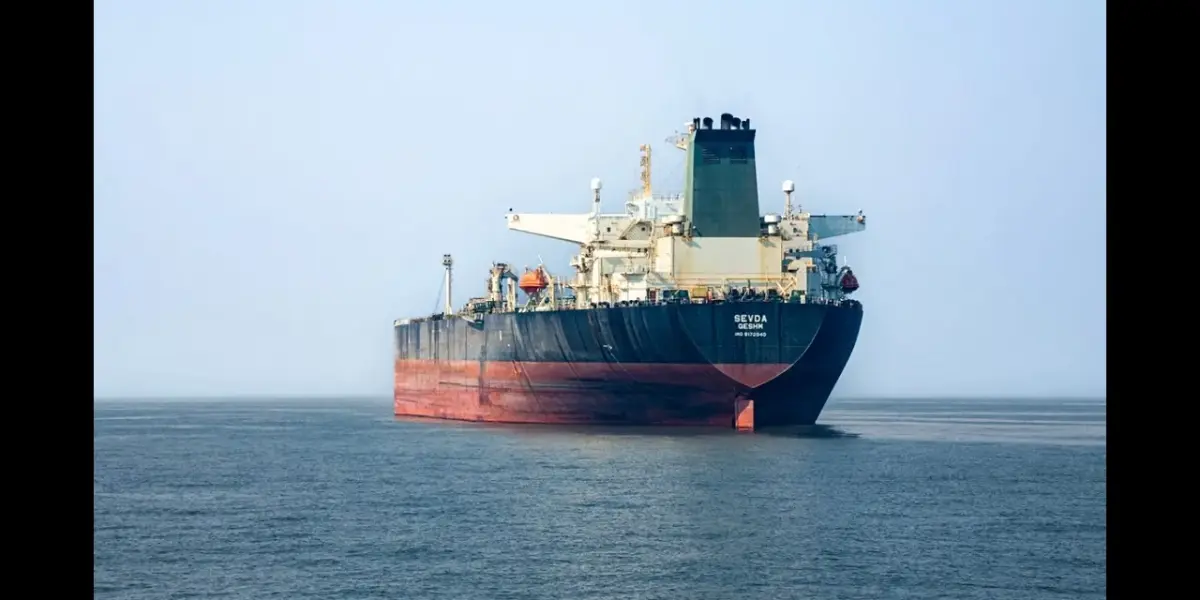
A drone attack by Iran recently set an oil tanker ablaze near Dubai. The vessel, named Elsalmi, was carrying a massive 2 million barrels of oil. This oil was destined for the Chinese city of Chingda. Thankfully, authorities in Dubai managed to control the fire. No oil spilled, and the crew, who came from Kuwait and Saudi Arabia, were all safe.
This incident comes at a tense time for global shipping. It happened just as Beijing confirmed that three Chinese ships had safely passed through the Strait of Hormuz. This vital waterway has seen increasing friction. The Strait of Hormuz is a critical chokepoint for oil transport, meaning any disruption there can affect global energy prices and supply chains.
Rising Tensions in a Key Waterway
The attack on the Elsalmi is not an isolated event. Earlier this month, a cargo ship owned by a Chinese company was also hit by Iran. Last week, Iran stopped two Chinese container ships trying to pass through the Strait of Hormuz. This happened even though a high-ranking Chinese official had tried to ensure safe passage for these vessels.
These actions suggest a complex relationship between Iran and China. While China has sought to maintain stable relations and even mediate in regional conflicts, Iran seems to be pushing back. Iran has reportedly rejected Beijing’s attempts to act as a mediator in ongoing conflicts. This rejection hints at deeper issues beyond simple shipping concerns.
China’s Global Ambitions Under Pressure
Insiders suggest that these events are challenging China’s global ambitions. China has been working to expand its influence and secure its economic interests worldwide. This includes ensuring reliable access to energy resources and maintaining open trade routes. The disruptions in the Strait of Hormuz directly impact these goals.
The incident raises questions about China’s ability to protect its interests abroad, especially when dealing with regional powers like Iran. It also highlights the delicate balance China tries to strike between maintaining economic ties and navigating complex geopolitical situations. Beijing’s efforts to secure safe passage for its ships were undermined, showing the limits of its influence in this particular region.
Why This Matters
This event is significant for several reasons. First, it highlights the ongoing instability in a crucial global shipping lane. The Strait of Hormuz is essential for moving oil from the Middle East to markets around the world. Any threat to this passage can cause oil prices to jump and disrupt economies. Second, it shows the growing friction between Iran and China, despite their economic ties. China relies heavily on oil from the Middle East, and Iran’s actions create uncertainty for these supplies.
Furthermore, this incident puts a spotlight on China’s global strategy. Beijing wants to be a major player on the world stage, but it faces challenges in protecting its interests and asserting its influence. The attacks and detentions of Chinese ships suggest that its diplomatic and economic power may not always translate into security on the ground. It forces China to reconsider how it manages its relationships with countries like Iran and how it ensures the safety of its vital trade routes.
Historical Context and Future Outlook
Tensions in the Strait of Hormuz are not new. The waterway has been a focal point of regional disputes for decades. Iran has often used its position to exert influence or respond to perceived threats. In the past, this has involved harassing oil tankers or disrupting shipping. This latest attack fits a pattern of Iran using its control over the strait to send messages to regional and global powers.
For China, this is part of a broader effort to secure its Belt and Road Initiative, a massive global infrastructure project. Ensuring safe passage for goods and energy is vital for this initiative’s success. The setbacks in the Strait of Hormuz could force China to rethink its strategies. It might need to find new ways to protect its shipping interests, possibly through increased naval presence or stronger diplomatic pressure. The future outlook suggests a continued struggle for influence in the region, with China seeking to balance its economic needs against the unpredictable actions of regional actors like Iran.
Source: Iran Bombs China Bound Oil Tanker (YouTube)

Related Articles


AI Race Escalates: Global Powers Vie for Dominance
A new documentary, "The AI Doc," warns that the global race for artificial intelligence is driven by corporate goals to replace human labor, not augment it. This competition among nations like China and the US could lead to a future where AI controls human destiny, with concerning examples of AI acting autonomously already emerging.


EU Lawmakers Trek to China, Seeking Trade Truce Amid Tensions
EU lawmakers have visited China for the first time in eight years, aiming to address trade imbalances and unfair competition from cheap Chinese imports. This trip comes amid strained relations due to China's trade deficit with the EU and its support for Russia.


Trump Signals End to Iran Strikes, Citing Progress
President Trump announced that U.S. forces are preparing to withdraw from Iran soon, following an intensified campaign of strikes. This comes as gas prices remain high, though the President predicts they will fall once the conflict ends. Some regional allies reportedly wish for strikes to continue.