Japan Strikes Back: Missiles Extend Reach as China Threat Grows
Japan is significantly expanding its military might by deploying long-range cruise missiles. This marks a major shift from its post-WWII self-defense policy and extends its strike capability to over 620 miles, directly impacting mainland China. The move comes amid rising tensions with China, particularly concerning Taiwan.

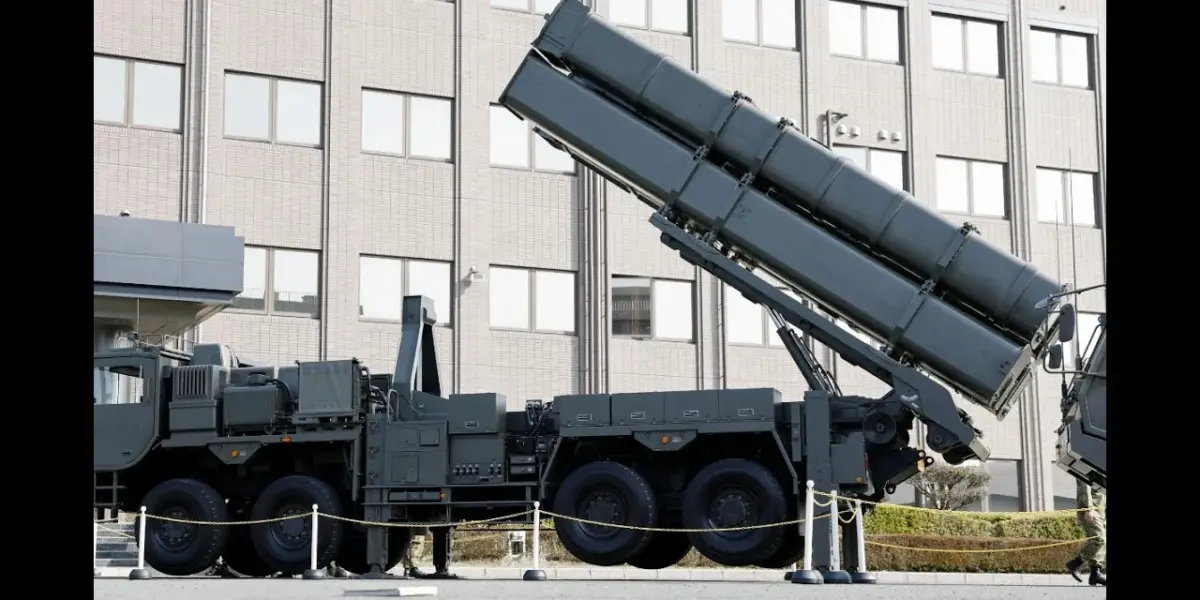
Japan’s Defense Leaps Forward with New Missile Power
Japan is making a significant move to strengthen its military. The country has started deploying long-range cruise missiles, a major change in its defense approach. This is the biggest shift in Japan’s military policy since the end of World War II. For decades, Japan has followed a policy focused strictly on self-defense. Now, that is changing.
New Missiles Give Japan an Extended Reach
The upgraded Type 12 cruise missiles are now being placed at a military base in the Kumamoto district. These new weapons can hit targets over 620 miles away. This range means Japan can now reach mainland China with its missiles. Government officials state that the main reason for this change is to improve Japan’s ability to defend itself when facing potential conflicts. The missiles allow Japan to react to threats from a much safer distance.
But the deployment doesn’t end with just one type of missile. Japan is also stationing new, fast-moving gliding projectiles at another base. These are designed to travel at very high speeds and are harder to intercept. In the next few months, Japan plans to put these missiles on its naval ships and fighter jets. More of these advanced weapons are expected to be deployed across the country over the next two years.
Broader Strategy Shift Amid Rising Tensions
This move signals a much larger change in Japan’s overall defense strategy. Just last week, a Japanese naval ship was fitted with equipment to launch U.S.-made Tomahawk missiles. This partnership with the U.S. further enhances Japan’s offensive and defensive capabilities.
This military buildup is happening at a time when tensions with China are increasing. The situation around Taiwan is a particular concern. Many fear that a conflict could break out in that region, and Japan wants to be better prepared to respond.
Historical Context: A Nation’s Post-War Stance
After World War II, Japan adopted a constitution that renounced war and limited its military to self-defense. This policy, known as the Self-Defense Forces (SDF), guided the nation’s security for over 70 years. The SDF focused on defending Japan from direct attack. Offensive capabilities, like long-range missiles that could strike other countries, were generally avoided.
However, the regional security environment has changed significantly. The rise of China and its increasing military assertiveness, along with threats from North Korea, have led many in Japan to question whether the old defense policy is still sufficient. This has created a debate within Japan about the interpretation of its constitution and the necessary scope of its military.
Why This Matters
Japan’s decision to deploy long-range missiles is a significant development for East Asian security. It represents a departure from its post-war pacifist stance. This move could alter the military balance in the region. It shows that Japan is willing to take a more proactive role in its own defense and in maintaining stability.
The ability to strike targets far from its shores changes how potential adversaries might view Japan. It’s no longer just a defensive nation; it now has the capacity for a counter-strike. This could act as a deterrent, making potential attackers think twice before initiating aggression.
Implications, Trends, and Future Outlook
This expansion of Japan’s missile capabilities is part of a broader trend in the Indo-Pacific region. Many countries are increasing their defense spending and modernizing their militaries in response to China’s growing power. Japan’s actions could encourage other nations to bolster their own defenses.
The deployment also highlights the strengthening alliance between Japan and the United States. The U.S. has been encouraging its allies to take on more responsibility for regional security. Japan’s new missile capabilities complement U.S. military strategy in the Pacific.
Looking ahead, we can expect continued military modernization in Japan. The debate about its defense policy will likely continue, potentially leading to further changes. The focus will be on balancing self-defense needs with the capacity to respond to a wider range of threats in a complex geopolitical environment.
The success of these new missiles will depend on how they are integrated into Japan’s overall military strategy and how neighboring countries react. It’s a delicate balancing act, but Japan appears determined to protect its interests and allies in an increasingly uncertain world.
Source: Japan Expands Long Range Missile Capabilities Amid Growing China Tensions (YouTube)

Related Articles


Iran Strikes US Base: Missile Range Shocks World
Iran launched an unsuccessful long-range missile strike on a joint US-UK base in the Indian Ocean. The attack on Diego Garcia suggests Iran's missile capabilities may extend further than previously understood. Britain condemned the action as reckless.


Iran Escalates as Trump Threatens Power Plants
Tensions escalate as Iran launches missiles and President Trump threatens to destroy Iranian power plants if the Strait of Hormuz isn't reopened. Middle East correspondent Richard Spencer discusses Iran's missile capabilities and its ideological drive to escalate conflicts.


Iran’s Missile Reach Challenges US Strategy, Ex-Minister Warns
Former UK Defence Minister Tobias Ellwood warns that Donald Trump has underestimated Iran's strategic capabilities, particularly its long-range missile program. The recent launch of missiles targeting Diego Garcia reveals Iran's preparedness and poses a significant threat to global stability and European defenses. Ellwood criticizes the current approach as 'tactics without strategy,' emphasizing the need for a comprehensive plan to counter Iran's ideology and actions.