New Defense Tactic Fuels Conspiracy in Kirk Case
A defense claim about bullet fragments in the Tyler Robinson case is misleading, according to a former FBI agent. The agent explains that bullet fragments are common and don't always provide definitive matches, unlike other strong evidence present. This tactic risks fueling conspiracy theories.

New Defense Tactic Fuels Conspiracy in Kirk Case
A new defense strategy is creating a stir in the case of Tyler Robinson, the 20-year-old accused of assassinating Charlie Kirk. Robinson was set to appear for a preliminary hearing in May. However, his lawyers have introduced a new claim that could delay the proceedings. They are pointing to a report from the Bureau of Alcohol, Tobacco, Firearms and Explosives (ATF).
Alleged Ballistics Mismatch
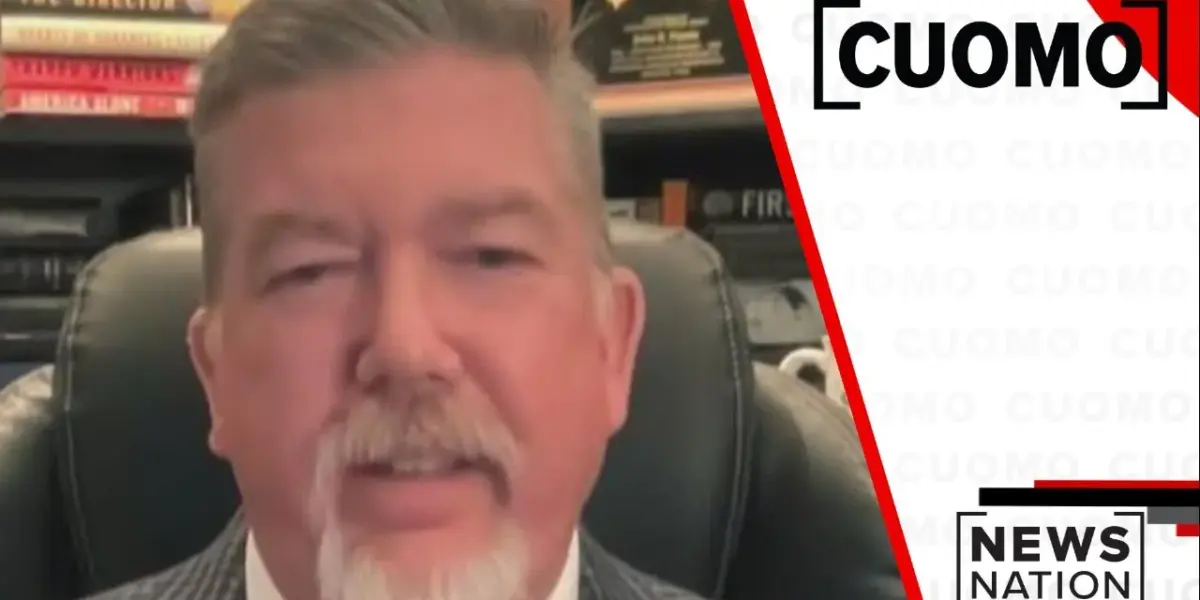
Robinson’s legal team claims that bullets recovered from Kirk’s autopsy did not match the rifle found with Robinson. This claim is being widely reported. However, a retired FBI Supervisory Special Agent, John Nance, says this reporting is misleading. Nance has decades of experience and has seen such tactics before. He points out that the ATF report itself did not definitively state a mismatch. Instead, the report called the findings incomplete. This was because the recovered material was only a bullet fragment.
Understanding Bullet Fragments
Nance explained why bullet fragments can be difficult to match. When a bullet hits something hard, like bone or even thick clothing, it can break apart. This is common, especially with certain types of bullets. Modern rifle barrels have grooves and ridges. These create markings on the surface of a bullet as it travels through. These markings are usually key to matching a bullet to a specific gun. However, a fragmented bullet may not show these full markings clearly. Nance stressed that this is a common issue in ballistics analysis.
More Than Just Bullet Evidence
The defense’s focus on the bullet fragment is an attempt to create doubt. Nance described it as a tactic to push an “if the glove doesn’t fit, you must acquit” narrative. He believes this tries to make one piece of evidence seem more important than it is. Nance highlighted that there is a wealth of other evidence in the case. He noted that Robinson’s DNA was found on the trigger, the bolt mechanism, and the cartridges themselves. This DNA evidence directly links Robinson to the weapon. Nance feels the headline suggesting a mismatch is incredibly misleading.
Conspiracy Theories and TPUSA
The situation raises concerns about how such claims can fuel conspiracy theories. The group TPUSA (Turning Point USA), where Kirk is associated, may be affected by these ongoing discussions. Nance suggested that these theories can spread quickly, especially with media attention. He expressed frustration that such claims, which he believes are untrue, continue to circulate. The focus on a single, incomplete piece of ballistics evidence distracts from the broader picture and other strong evidence against Robinson.
Why This Reshapes the Narrative
This situation shows how legal defense strategies can interact with public perception and media coverage. By highlighting a potentially ambiguous piece of forensic evidence, the defense aims to cast doubt on the entire case. This can create a narrative that is difficult to counter, even with substantial other evidence. The involvement of an organization like TPUSA adds another layer, potentially drawing more attention and fueling speculation. The expert opinion from a former FBI agent like Nance provides a counterpoint, aiming to ground the discussion in forensic reality rather than conspiracy.
Future Scenarios
One possible outcome is that the defense successfully uses this claim to delay the trial. This could give them more time to build their case. Another scenario is that the prosecution effectively counters the defense’s argument by presenting the full context of the ATF report and the other evidence. This would reaffirm the strength of their case. The media’s role in reporting these claims will also be crucial. Responsible reporting that includes expert analysis, like Nance’s, can help prevent the spread of misinformation. However, sensationalized headlines can easily amplify doubt and conspiracy theories.
Source: Tyler Robinson's defense allegations not uncommon: Ex-FBI agent | CUOMO (YouTube)

Related Articles

Conspiracy Theories Face Pushback Online
A TPUSA spokesman sees a positive trend of the public pushing back against online conspiracy theories, calling it the internet developing 'antibodies' to misinformation. He criticized a Daily Mail headline for fueling conspiracy narratives but felt 'sane voices' countered them, giving him encouragement.

FBI Director Accused of Misusing Aircraft Amid Investigation Delays
FBI Director Cash Patel is reportedly under investigation for alleged misuse of government aircraft, potentially delaying responses to critical events. A whistleblower claims Patel's travel exhausted FBI pilots, impacting response to the Charlie Kirk assassination. Further scrutiny surrounds his recent trip to Milan, with questions raised about the veracity of statements from his spokesperson.

From Handlers to Highways: The Unfolding Saga of Charlie Kirk and Turning Point USA
A series of escalating controversies surrounds Charlie Kirk, Erica Kirk, and Turning Point USA, from theories of Erica acting as a 'handler' and unconfirmed allegations of inappropriate conduct, to the controversial naming of a highway after Charlie Kirk. These events highlight a perceived misplacement of Republican priorities amidst pressing national issues, fueling public debate over the direction of conservative youth activism.