Artemis II: NASA’s Bold Leap Back to the Moon
NASA's Artemis II mission is set to send astronauts on a historic flyby around the moon, marking humanity's return to lunar space after over 50 years. The mission aims to test critical systems and inspire a new generation of explorers.

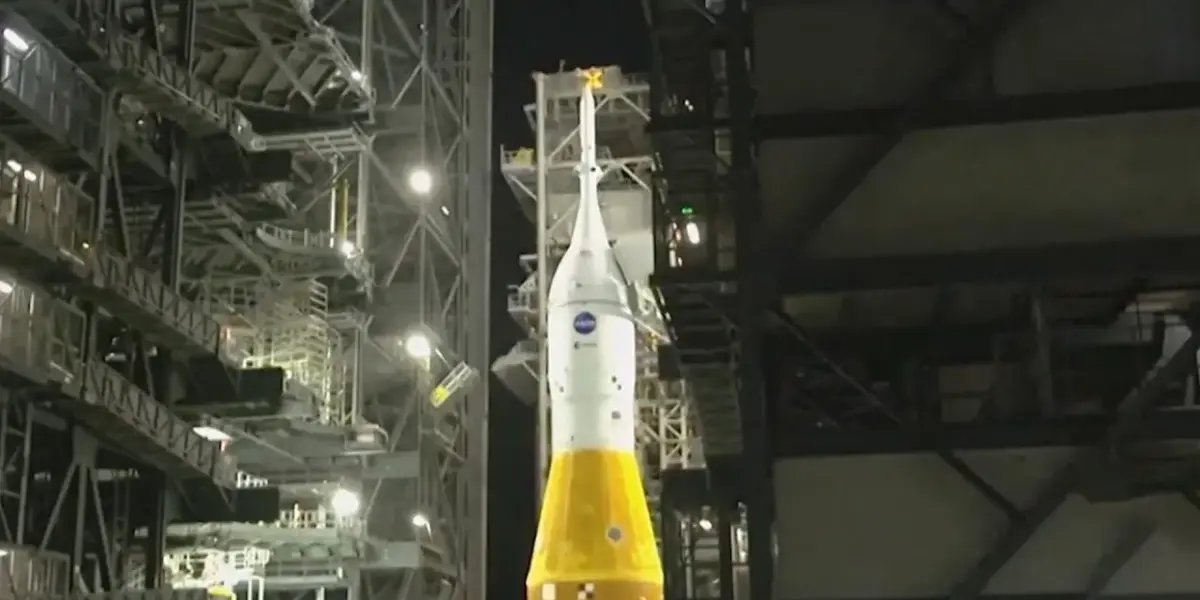
Artemis II: NASA’s Bold Leap Back to the Moon
More than 50 years after humans last walked on the lunar surface, NASA is preparing to send astronauts on a journey back to the moon. The Artemis II mission is set to be the first crewed flight around our celestial neighbor since the Apollo program ended. This upcoming mission aims to reignite public excitement and pave the way for future lunar exploration.
A New Chapter in Lunar Exploration
The Apollo program, a monumental achievement in human history, saw nine missions travel to the moon. It began with Apollo 8, which became the first mission to orbit the moon in 1968. Then, in July 1969, Apollo 11 achieved the historic first landing. Astronaut Charlie Duke, who walked on the moon during the Apollo 16 mission in 1972 at the young age of 36, sees great importance in the Artemis program.
“We’re going to be it’s going to be the same. And as you know, half the world’s population weren’t even born when we were Apollo.”
– Charlie Duke, Apollo 16 Astronaut
Duke highlights that many people alive today weren’t even born when humans first visited the moon. He believes Artemis can inspire a new generation, much like Apollo did decades ago. This mission is a chance to refresh that sense of wonder and show the world the excitement of exploring deep space.
Artemis II: A Flyby, Not a Landing
Unlike the Apollo missions that landed on the moon, Artemis II will be a flyby mission. A four-person crew, including NASA astronauts Reid Wiseman, Victor Glover, and Christina Koch, along with Canadian Space Agency astronaut Jeremy Hansen, will loop around the moon. They will travel about 5,000 miles beyond the far side of the moon in their Orion spacecraft. This will set a new record for the furthest distance humans have traveled from Earth.
Duke expressed his full support for the mission. He anticipates it will be an exciting flight, especially the view from 6,000 miles beyond the moon, looking back to see its entire far side. This perspective is something few have experienced.
Testing the Waters for Future Landings
The Artemis II mission is primarily a test flight. It’s designed to check the Orion spacecraft’s life support systems, navigation, and communication capabilities. This rigorous testing is crucial before future Artemis missions attempt to land astronauts back on the lunar surface. NASA is moving deliberately, building on lessons learned from both Apollo and modern spaceflight technology.
The pace of the Apollo program was remarkable, moving from first human spaceflight to a moon landing in just eight years. Artemis aims for a sustained presence, which requires a different approach. The initial missions will focus on orbiting and testing systems, ensuring safety and reliability before committing to more complex landing operations.
The Long-Term Vision: A Sustained Lunar Presence
NASA’s ultimate goal with the Artemis program is to establish a long-term, sustainable human presence on the moon. This includes building habitats, using rovers for exploration, and developing the necessary infrastructure. It’s not just about visiting the moon; it’s about learning to live and work there.
This ambitious vision could lay the groundwork for future missions to Mars and beyond. The moon serves as a crucial stepping stone, allowing us to test technologies and strategies in an environment similar to, yet more accessible than, the Red Planet. The successful launch of Artemis II, scheduled for April 1st, marks a significant step in this grand endeavor.
Why This Matters
Artemis II is more than just a space mission; it’s a symbol of human ambition and our drive to explore the unknown. For a generation that grew up without lunar missions, this flight offers a tangible connection to space exploration. It has the potential to inspire young people to pursue careers in science, technology, engineering, and mathematics (STEM).
Furthermore, the mission represents a crucial step in humanity’s return to deep space. The technologies developed and tested for Artemis will be vital for future exploration, not just of the moon but of Mars and other celestial bodies. Establishing a presence on the moon could also lead to scientific discoveries and economic opportunities we can only begin to imagine.
Looking Ahead
The Artemis program is designed for the long haul. After Artemis II’s flyby, future missions will focus on lunar landings and eventually establishing a base. The success of Artemis II will build confidence and momentum for these next phases. The journey back to the moon is just the beginning of a new era of space exploration, one that promises to expand our knowledge and capabilities far beyond Earth.
Source: NASA Prepares for Artemis II Moon Flyby Mission (YouTube)

Related Articles


Artemis II: Humanity’s Giant Leap Back to the Moon
NASA's Artemis II mission is set to launch, marking humanity's first crude return to the moon in over 50 years. The mission features international partners, historic firsts for astronauts, and aims to test systems for future Mars journeys.


Last Man on Moon Shares Wisdom for Artemis II Crew
Harrison Schmitt, the last man to walk on the Moon, shares his reflections and advice for the upcoming Artemis II mission. The geologist astronaut emphasizes the scientific value of lunar exploration and encourages the new generation of spacefarers to embrace the experience.


President Hints at Iran War End, Gas Prices Soar
President Trump signaled a potential end to the war in Iran within weeks, even as gas prices soared above $4 a gallon. The U.S. continued strikes on Iran, while an American journalist was kidnapped in Iraq. In other news, a judge halted President Trump's White House ballroom project, Tiger Woods is seeking treatment after a DUI arrest, and NASA prepares for a historic Moon mission launch.