Trump Demands Allies Fund Their Own Defense
President Trump has voiced strong criticism towards NATO allies for their limited support in the Iran conflict. He urged them to either purchase energy from the US or take greater responsibility for their own defense, sparking debate about alliance burdens.

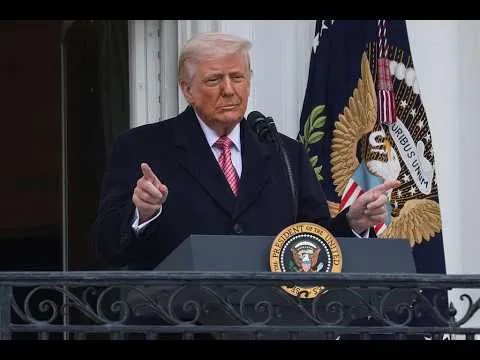
Trump Demands Allies Fund Their Own Defense
President Trump recently expressed frustration with NATO allies, particularly over their reluctance to fully support US actions concerning Iran. He posted on Truth Social, suggesting that countries facing energy issues due to disruptions in the Strait of Hormuz should either buy fuel from the United States or take a more active role in securing their own energy supplies.
Calls for Self-Reliance
Trump specifically called out nations like the United Kingdom, which he noted refused direct involvement in efforts against Iran. His message was clear: allies need to step up and defend themselves, as the US would no longer be a constant safety net, especially if those allies did not offer support to America in return. This stance highlights a growing tension between the US and its European partners regarding shared security burdens and the approach to international conflicts.
Specific Denials and Support
The situation is complex, with different countries taking varied stances. For instance, France reportedly denied passage to planes carrying military supplies to Israel, a move that drew criticism from Trump. The UK, while allowing the US military to use British bases for strikes against Iranian missile sites threatening shipping, made it clear it would not join the main US-Israeli operation. Italy reportedly refused to let US warplanes carrying weapons for the Iran conflict use a base in Sicily, and Spain closed its airspace to US planes involved in these attacks.
Germany’s Cautious Approach
Germany’s defense minister, however, offered a different perspective. Berlin stated readiness to help secure peace in the region but was critical of the joint strike, questioning the lack of a clear exit strategy. This shows a divergence in how key European nations view the escalating situation and the best course of action. While the US pushes for a more unified front, some allies are prioritizing de-escalation and strategic planning.
Softened Tone Amidst Frustration
Interestingly, Trump later softened his public tone in an interview with CBS News, stating that the US would still be there to help. However, his underlying frustration with the perceived lack of contribution from allies remained evident. He believes that countries benefiting from US security assurances should also share more of the responsibility and cost, especially in critical geopolitical moments.
Historical Context of NATO
This debate touches upon the fundamental purpose and structure of NATO itself. Formed after World War II, the alliance was designed to provide collective security against the Soviet Union. Over the decades, its mission has evolved, but the core principle of mutual defense remains. However, questions about burden-sharing, especially concerning defense spending by European members, have been a recurring theme for years, predating the current administration.
Shifting Alliances and Priorities
The current friction points to a broader trend of reassessment within international alliances. As global power dynamics shift and new threats emerge, nations are increasingly evaluating their own interests and the value they derive from collective security agreements. Trump’s approach, while confrontational, forces a conversation about whether the current framework adequately serves the security and economic interests of all members, particularly the United States.
Why This Matters
The disagreement between the US and its allies over how to handle the Iran situation is more than just a spat between leaders. It directly impacts international stability and the effectiveness of collective security arrangements like NATO. If allies cannot agree on common strategies or share burdens equitably, it weakens their ability to respond to global challenges. This could lead to a less secure world, where individual nations are forced to rely solely on their own resources, potentially increasing conflict and instability.
Implications and Future Outlook
This situation suggests a potential future where alliances may become more transactional, based on specific shared interests rather than broad, automatic commitments. Allies might be expected to pay more or contribute more directly to security operations they benefit from. The US, under Trump’s influence, seems to be pushing for a renegotiation of these long-standing partnerships, demanding greater reciprocity. This could lead to a stronger, more focused NATO if allies step up, or a fractured alliance if divisions deepen. The trend is toward a more assertive US foreign policy that prioritizes perceived national interest and demands clear contributions from partners.
Source: Trump Criticises NATO Allies Over Reluctance to Support Iran War (YouTube)

Related Articles

Trump’s Iran Announcement: Markets Brace for Impact
Former President Donald Trump is set to announce his strategy on Iran, leaving markets on edge. Analysts foresee potential escalation scenarios, with a 60% chance of increased regional tension impacting oil prices. A 'nothing burger' announcement is also possible, though less likely.

Europe Faces NATO Doubt as Trump Hints at Pullback
Former President Trump's suggestions of withdrawing NATO protection raise concerns for European security. This could weaken the alliance's deterrent power and alter global dynamics. Meanwhile, Europe is increasing its support for Ukraine as U.S. aid shifts.
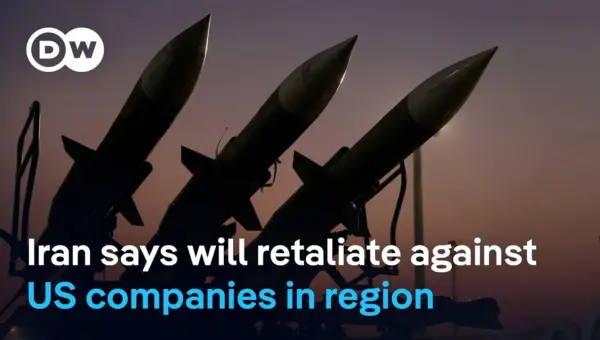
Iran Warns US Firms as Mideast Tensions Flare
Iran's Revolutionary Guard has threatened to target U.S. companies in the Middle East as U.S. and Israeli forces launch new strikes. Defense Secretary Buttigieg believes Iran's window for retaliation is closing, though analysts warn its asymmetrical capabilities persist. Morale within Iran's military is reportedly plummeting amid escalating conflict.