Russian Oil Reaches Cuba: A Humanitarian Gesture or Geopolitical Play?
A Russian oil tanker delivered much-needed fuel to Cuba, marking the first such arrival in three months amid a severe shortage. The U.S. permitted the delivery, stating it was for humanitarian reasons, though it signals a potential case-by-case approach to sanctions. This event highlights Cuba's energy struggles and complex international relations.

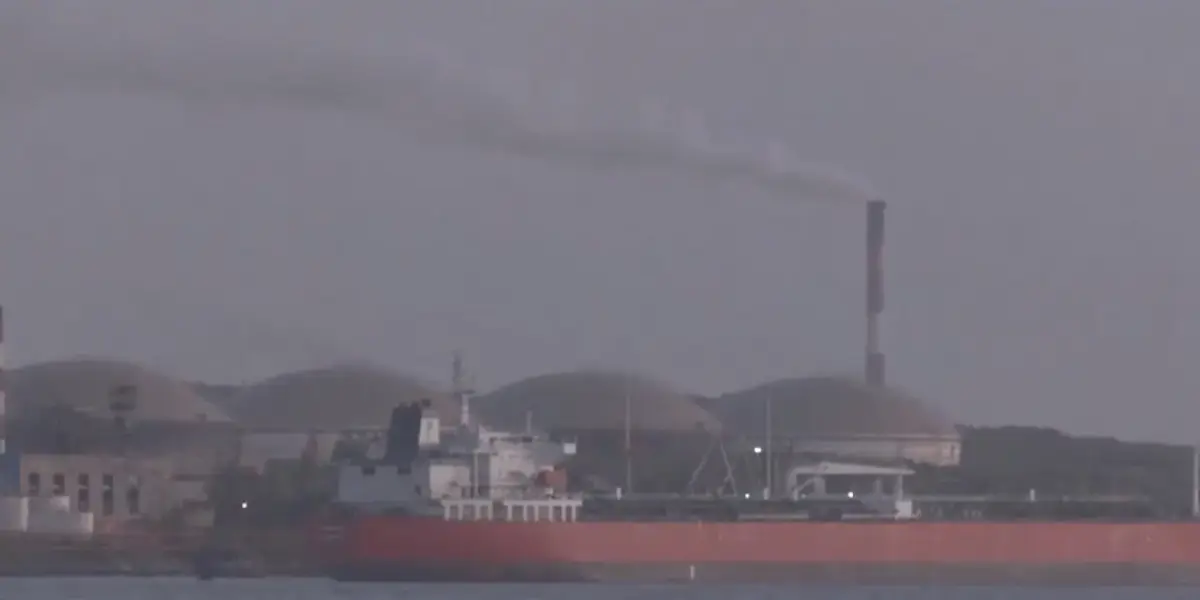
Russian Oil Arrives in Cuba Amidst Severe Fuel Shortage
A Russian oil tanker recently docked in Cuba carrying a significant amount of fuel. The ship delivered 730,000 barrels of oil, marking the first successful delivery of its kind in three months. This event comes at a critical time for Cuba, which is grappling with a severe fuel shortage. These shortages have resulted in widespread and frequent blackouts across the island nation.
Cuba’s Dependence on Imports and Shifting Alliances
Cuba produces only about 40% of the fuel it needs. The rest must be imported to keep its energy systems running. For a long time, Venezuela was Cuba’s main oil supplier. However, these vital shipments halted in January. This stoppage occurred after U.S. forces reportedly captured Venezuelan leader Nicolás Maduro. This disruption forced Cuba to seek new sources for its energy needs.
U.S. Sanctions and Shifting Policies
The arrival of the Russian tanker occurred despite ongoing U.S. sanctions. Previous U.S. policy, under President Trump, had aimed to cut off oil supplies to Cuba. An executive order even imposed tariffs on countries that sent oil to the island. The administration accused Cuba of supporting hostile nations and terrorist groups. Despite this history, the U.S. allowed this specific tanker to pass.
A White House press secretary stated that this was not a change in overall policy. “There has not been a formal change in sanctioned policy,” the secretary said. The decision to allow the ship was framed as a way to address humanitarian needs for the Cuban people. These decisions, the official explained, are made on a case-by-case basis. The administration believes Cuba’s economy can only improve with major political and leadership changes.
Implications and Future Outlook
The administration’s statement suggests that more such deliveries might be permitted in the future, depending on individual circumstances. This approach allows the U.S. to apply pressure on Cuba’s government while potentially mitigating the impact on ordinary citizens. However, it also highlights Cuba’s vulnerability and its need to find reliable energy partners in a challenging geopolitical climate. The situation shows how international relations and U.S. foreign policy directly affect the daily lives of people in Cuba, particularly regarding basic necessities like electricity.
Why This Matters
This event is significant because it reveals the complex interplay between U.S. foreign policy, international trade, and humanitarian concerns. Cuba’s struggle for energy security has direct consequences for its population, affecting everything from homes to hospitals. The U.S. decision to allow the Russian oil, even temporarily, indicates a potential flexibility in its sanctions policy. It also underscores Cuba’s reliance on external support and its efforts to navigate international pressures. The situation reflects ongoing tensions and strategic maneuvering in the region.
Historical Context
The relationship between the U.S. and Cuba has been strained for decades, marked by an economic embargo imposed after the Cuban Revolution. While relations saw some warming during the Obama administration, they largely reverted to a more confrontational stance under President Trump. The U.S. has consistently sought to isolate Cuba economically and politically, citing concerns about human rights and the country’s political system. Venezuela, under the leadership of Hugo Chávez and later Nicolás Maduro, became a key ally for Cuba, providing crucial oil supplies in exchange for Cuban support in areas like healthcare and education.
Looking Ahead
The future of Cuba’s energy supply remains uncertain. The island nation will likely continue to seek diverse sources of fuel to avoid over-reliance on any single country. The U.S. stance, while seemingly flexible on a case-by-case basis, could shift again depending on political developments. For the people of Cuba, the hope is for stable access to essential resources, regardless of the political currents shaping their nation’s energy future.
Source: Russian Oil Tanker Arrives in Cuba Amid Fuel Shortage (YouTube)

Related Articles

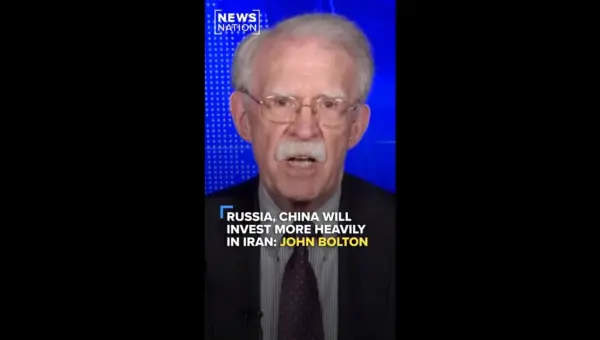
Russia, China Deepen Iran Ties Amid Geopolitical Strain
Russia and China are increasing their investments and support for Iran, signaling a significant geopolitical shift. This growing alignment between Tehran, Moscow, and Beijing aims to challenge Western influence and reshape regional dynamics.

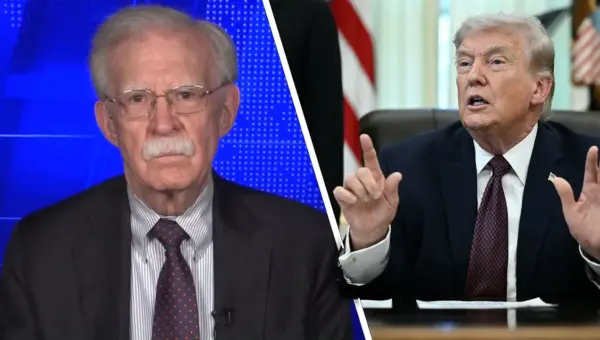
Iran’s Strait Threat Boosts Russia, China Influence
Former U.S. official John Bolton argues that recent actions against Iran have inadvertently strengthened its hand and boosted Russia and China's influence. Iran's continued threat to close the Strait of Hormuz, a vital global oil route, is seen as a strategic victory for Tehran. Bolton warns this emboldens the regime and creates new geopolitical opportunities for Moscow and Beijing.

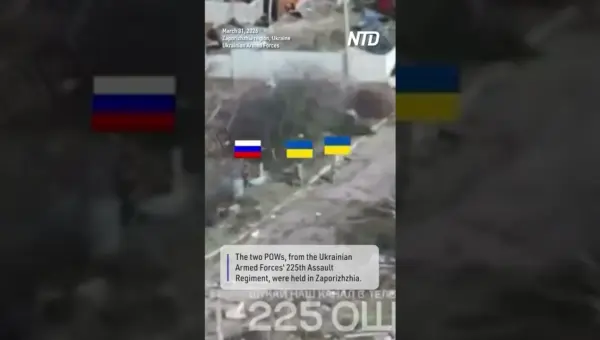
Brave Escape: POWs Defy Odds in Russian Captivity
Drone footage appears to show two Ukrainian prisoners of war escaping Russian captivity. This event highlights the resilience of the human spirit and the harsh realities faced by those held captive during conflict. Such escapes, though rare, serve as powerful symbols of the will to be free.