Trump Weighs Oil Strategy: Allies Must Pay Their Share
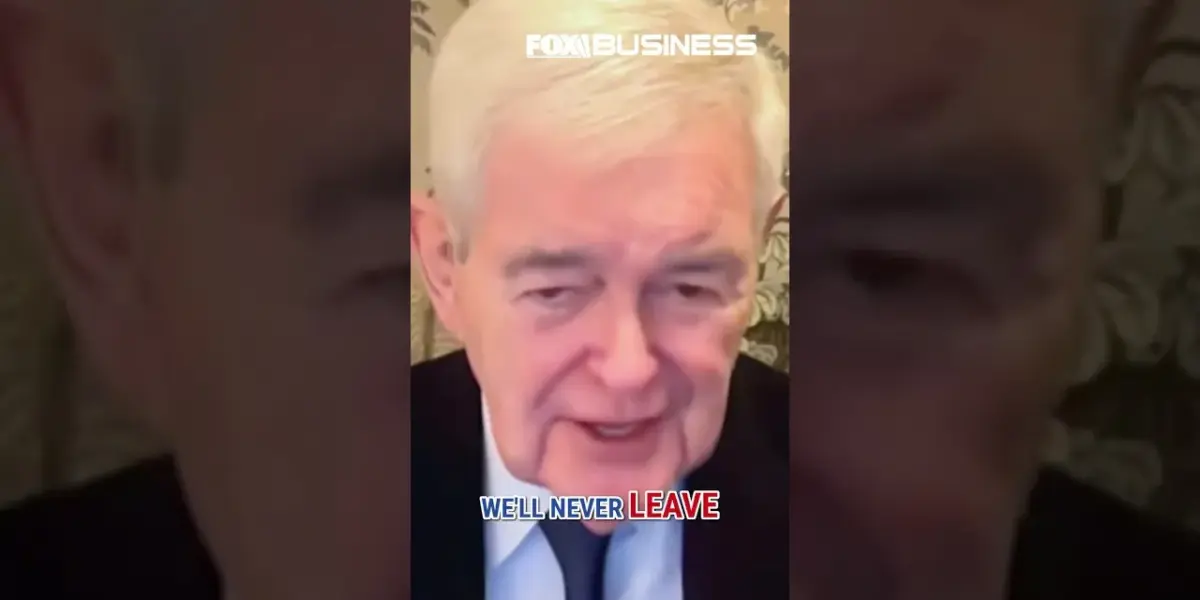
President Trump is reportedly considering a strategic shift in U.S. oil and global security policy, emphasizing 'America First' by compelling allies to increase their own defense spending and take greater responsibility for regional stability. This approach questions the long-standing U.S. role in protecting vital oil shipping lanes like the Strait of Hormuz, suggesting allies must 'grow up and pay' their share in a more dangerous world.

Trump’s Long Game on Global Oil and Allied Burden-Sharing
President Trump has reportedly been contemplating a significant shift in U.S. oil and global security strategy for at least 37 years. This long-term thinking is now coming to the forefront as the administration considers how to best position America’s interests on the world stage.
Rethinking U.S. Role in Global Oil Security
A key aspect of this strategy appears to be a re-evaluation of the United States’ role in ensuring the free flow of oil through critical chokepoints like the Strait of Hormuz. The transcript suggests a potential move away from the U.S. bearing the primary burden of protecting these vital shipping lanes.
Historically, events like Saddam Hussein’s occupation of Kuwait in 1990 led to a prolonged U.S. military presence in the Persian Gulf. This was seen as a necessary step to secure global oil supplies. However, the current thinking seems to question whether this long-term commitment serves America’s best interests, especially given the changing global energy landscape.
‘America First’ Applied to Global Security
The core principle driving this re-evaluation is the ‘America First’ agenda. This means maximizing advantages for the United States and ensuring that other nations contribute more significantly to their own security and global stability. The administration is reportedly looking for ways to compel allies to become more self-reliant and to shoulder a greater portion of the responsibility for policing the world.
According to the analysis, allies have grown accustomed to relying on the U.S. for security, a dynamic that has persisted since World War II. The current approach aims to change this, signaling that the U.S. will not indefinitely perform tasks that other nations are capable of handling themselves.
Shifting the Burden to Allies
A significant point being considered is that the United States is now a major oil producer, with a surplus of its own. The Strait of Hormuz, while critical for many nations, does not directly impact the United States as acutely as it does countries like Bangladesh, the Philippines, or China. These nations face higher energy costs and greater supply risks if the strait is disrupted.
The implied message to allies is clear: they need to step up. This includes developing more effective military capabilities and contributing more to global security efforts. The administration believes that a more dangerous world requires a broader coalition of nations actively participating in peacekeeping and security operations, rather than relying solely on the United States and key allies like Israel.
Market Impact and Investor Considerations
This potential shift in U.S. foreign policy and energy strategy could have several implications for markets and investors.
- Energy Security: Nations heavily reliant on Middle Eastern oil imports may face increased costs or supply volatility if the U.S. reduces its security role. This could impact energy prices globally.
- Defense Spending: Allies may feel compelled to increase their own defense budgets and military readiness, potentially creating opportunities in the defense sector for companies that can meet these growing demands.
- Geopolitical Risk: A less engaged U.S. in certain regions could lead to increased geopolitical uncertainty, which often translates into market volatility. Investors will need to monitor regional stability closely.
- Allied Economic Health: The economic health of U.S. allies, particularly in Asia and Europe, could be directly affected by changes in energy security and their own increased defense spending.
The long-term implications suggest a move towards a more transactional and reciprocal international relationship. Investors should consider how this evolving global dynamic might affect different sectors and regions, paying close attention to countries that are most exposed to energy supply disruptions or shifts in security alliances.
Source: 'HE'S NOT LEAVING COMPLETELY': Gingrich on Trump's Iran strategy #shorts (YouTube)

Related Articles
Trump’s War Sparks Global Oil Crisis, Gas Prices Soar
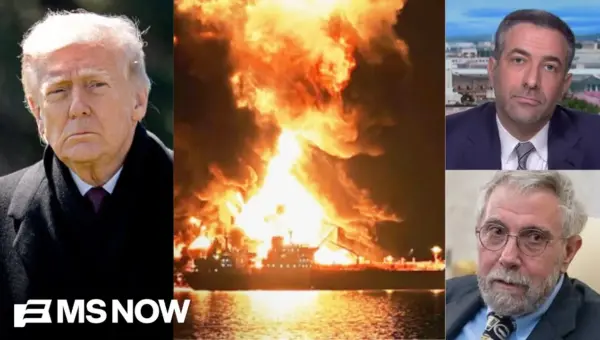
A global oil crisis, marked by soaring gas prices and economic turmoil, has emerged following a conflict initiated by former President Trump. Nobel laureate Paul Krugman warns of 'physical' oil shortages as the Strait of Hormuz faces potential closure, impacting everything from transportation to agriculture. The situation is described as the worst energy shock since the 1970s, with significant economic fallout and uncertainty ahead.


Markets Rally as Iran War Hopes Rise, Gas Prices Surge
Markets surged on questionable hopes of an end to the Iran war, while oil prices climbed, pushing gas to over $4 a gallon. President Trump urged allies to secure their own oil amidst shifting tones on the U.S. military campaign and disruptions to the Strait of Hormuz.


Allies Flee as Trump’s America Weakens Global Ties
In late March 2026, a series of events revealed growing strains on US alliances and domestic stability. Legal challenges, economic pressures, and international disputes suggest a world grappling with shifting global dynamics and uncertain futures.