Supreme Court Backs Conversion Therapy Talks
The Supreme Court has overturned a Colorado ban on counseling that discusses changing a minor's sexual identity. The 8-1 decision favors a counselor's free speech rights over state safety regulations. This ruling impacts the broader debate on conversion therapy and LGBTQ+ youth protections.


Supreme Court Allows Conversion Therapy Discussions
The Supreme Court has made a significant decision, overturning a Colorado law that banned discussions about changing a minor’s sexual identity. This ruling means licensed counselors can now engage in conversations aimed at altering a young person’s sexual orientation or gender identity. The case was brought forward by a Christian counselor who argued the ban violated her free speech rights.
Free Speech vs. Patient Safety
The core of the legal battle centered on the First Amendment. Kaylee Charles, the counselor involved, believes individuals thrive when living according to what she describes as ‘God’s design,’ which includes biological sex. She argued that the Colorado law unfairly restricted her ability to provide counseling based on her beliefs. The Trump administration supported her position, highlighting the free speech aspect of the argument.
Colorado officials, however, defended the law. They asserted the state’s authority to regulate healthcare and professional conduct to ensure patient safety. The state argued that these types of counseling practices can be harmful to minors, and therefore, it was within their power to prohibit them. This stance reflects concerns about the well-being of young people seeking or being subjected to such therapies.
A Divided Court and Broad Implications
The Supreme Court’s decision was not unanimous, with a vote of 8-1. This division suggests the complexity of the issue, balancing religious and free speech freedoms against the protection of vulnerable individuals. The ruling has far-reaching implications, potentially impacting similar laws in other states. Colorado was one of many states with laws restricting or banning this type of counseling for those under 18.
Historical Context of Conversion Therapy
Practices aimed at changing a person’s sexual orientation or gender identity, often called conversion therapy, have a long and controversial history. For decades, various methods were used, often with the backing of some medical and religious groups. However, major medical and mental health organizations worldwide now condemn these practices. They state that conversion therapy is ineffective and can cause significant harm, including depression, anxiety, and increased risk of suicide.
The scientific and medical consensus is clear: sexual orientation and gender identity are not choices that can or should be changed. Efforts to do so are widely seen as discriminatory and damaging. This ruling by the Supreme Court, therefore, goes against the current understanding and recommendations of leading health professionals.
Why This Matters
This Supreme Court decision is significant because it prioritizes a counselor’s right to discuss certain topics over the protection of minors from potentially harmful practices. Critics argue that allowing these conversations opens the door for practices that have been widely discredited by medical and psychological experts. They worry that vulnerable young people could be subjected to counseling that causes emotional distress and psychological damage. This could make it harder for states to protect LGBTQ+ youth.
Supporters of the ruling, however, see it as a victory for religious freedom and free speech. They believe counselors should not be prevented from discussing their beliefs or offering guidance based on those beliefs. They may argue that the focus should be on the individual’s right to choose their path, even if that path involves exploring identity with a counselor who holds specific views.
Trends and Future Outlook
The future of conversion therapy bans across the country is now uncertain. This Supreme Court ruling could lead to legal challenges against existing bans in other states. It might also make it more difficult for states to pass new laws protecting LGBTQ+ youth from these practices. We could see a trend where free speech claims are used to challenge regulations designed to ensure the safety and well-being of minors.
Conversely, advocacy groups for LGBTQ+ rights are likely to push back. They may seek legislative solutions or further court battles to reaffirm protections for young people. The debate over how to balance individual rights with public health and safety, especially concerning LGBTQ+ youth, will continue to be a major focus.
Source: Supreme Court Okays LGBT Conversion Counseling (YouTube)

Related Articles


Judge Halts Trump’s War on Public Broadcasting
A federal judge has permanently blocked President Trump's order to defund NPR and PBS, ruling it unlawful and a violation of the First Amendment. The decision protects free speech and the independence of public broadcasting.

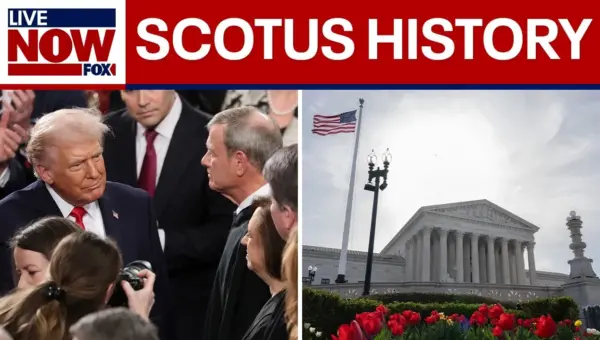
Trump Attends Supreme Court Birthright Citizenship Hearing
President Trump made an unprecedented appearance at the Supreme Court to hear arguments on his executive order challenging birthright citizenship. The case hinges on the interpretation of the 14th Amendment's Citizenship Clause. A ruling against birthright citizenship could have profound effects on millions of U.S.-born children of non-citizen parents.
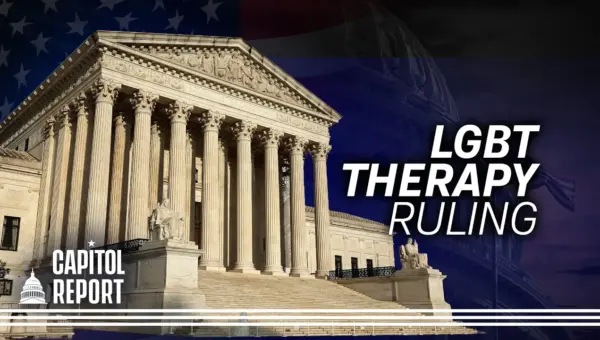
SCOTUS Shields Speech: Free Speech Wins, But Harm to Kids Unproven
The Supreme Court ruled 8-1 that states cannot ban therapists from discussing certain topics with clients, a victory for free speech advocates. The decision noted a lack of statistics proving harm to children undergoing such therapy, emphasizing First Amendment protections even on controversial subjects.