Trump Dismisses Iran Threat, Sparks Reporter Clash
President Trump engaged in a tense exchange with a reporter over Iran's threats to U.S. companies. Trump questioned the details of the threat, leading to a breakdown in communication. This incident highlights the complexities of international diplomacy and business security.

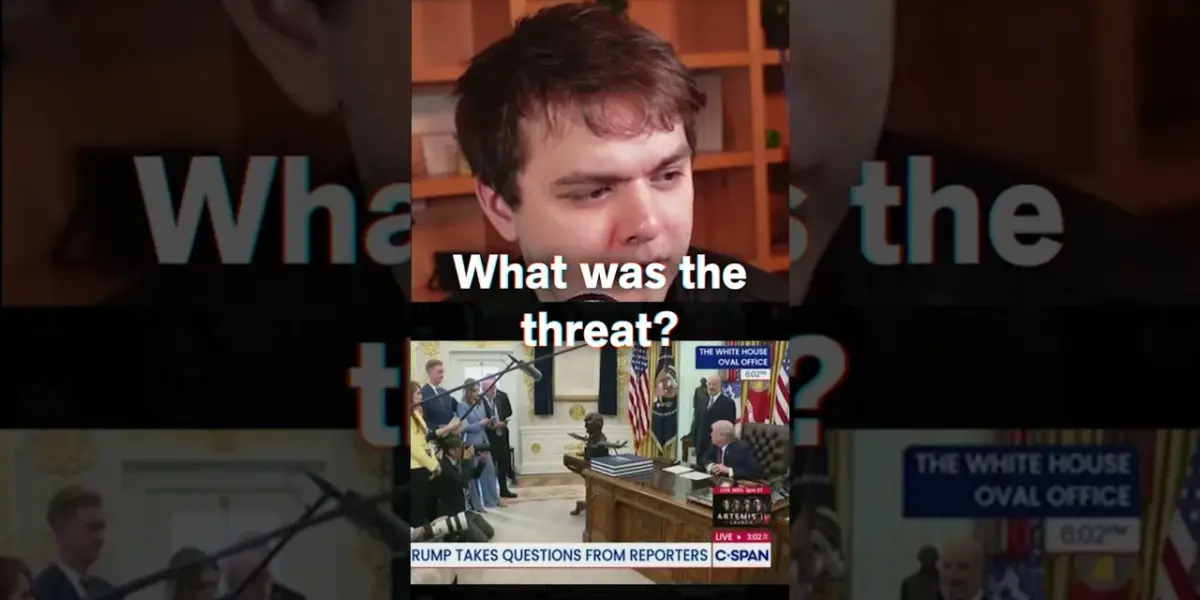
Trump Questions Iran Threat Details Amid Reporter Confrontation
President Trump recently faced a reporter’s question about Iran threatening U.S. companies in the Middle East. The reporter stated that the Iranian government had threatened several American businesses, including tech giants like Google and Apple. Trump’s initial response was to question the nature of the threat itself, asking what exactly Iran had threatened them with.
The exchange quickly became tense. Trump repeatedly asked the reporter for specifics about the threat, suggesting a lack of information on his part. “What did they threaten him with?” Trump asked, indicating he hadn’t heard about the specifics. He pressed further, asking if the threats involved physical harm, like being “blown up” or “hit.” The reporter tried to clarify, stating that Iran threatened to strike U.S.-owned infrastructure in the Middle East, specifically mentioning tech companies such as Apple, Google, Microsoft, and Meta. The reporter added that these companies were told their infrastructure “could be blown up.”
Trump’s reaction was seen by some as dismissive and combative. Instead of directly addressing the report of the threat and its implications for U.S. companies, he focused on the details of the threat itself, which the reporter was attempting to provide. This led to frustration, with the reporter feeling unable to get a direct answer or follow up effectively on the original question about the government’s awareness and response to the situation.
Background: U.S.-Iran Tensions
Relations between the United States and Iran have been strained for decades. Following the 1979 Iranian Revolution, diplomatic ties were severed. Tensions have often flared over issues such as Iran’s nuclear program, its support for regional militant groups, and U.S. sanctions imposed on the country. The U.S. military presence in the Middle East is a significant factor in this ongoing dynamic.
Recent years have seen periods of heightened conflict, including the U.S. withdrawal from the Iran nuclear deal in 2018 and subsequent reimposition of sanctions. Iran has often responded with rhetoric and actions aimed at challenging U.S. influence and interests in the region. Threats against U.S. companies or infrastructure can be seen as part of this broader geopolitical struggle, designed to exert pressure and signal defiance.
Examining the Exchange
The reporter’s question aimed to understand the administration’s awareness and stance on a specific threat against American businesses. The core of the reporter’s information was that Iran had issued threats against U.S.-owned infrastructure, naming major tech companies as potential targets. This suggests a deliberate action by Iran to intimidate or pressure these companies, which could have economic or security implications.
President Trump’s response, however, shifted the focus away from the substance of the threat and toward the reporter’s knowledge of it. By questioning the reporter intensely about the details, Trump appeared to sidestep the main issue of Iran’s actions. This approach is not uncommon in political discourse, where leaders may try to control the narrative or deflect from uncomfortable questions. However, in this instance, it led to a breakdown in communication and left the original question unanswered.
The implication of Trump’s questioning is that either the information provided by the reporter was incomplete, or that the administration wished to downplay the seriousness of the threat. Conversely, the reporter’s persistence suggests they believed the threat was significant enough to warrant a direct response from the President regarding how the U.S. government would address it.
Why This Matters
This incident highlights the complex dynamics of international relations and how information is communicated. When a nation’s leader questions the validity or details of a reported threat, it can send mixed signals to allies, adversaries, and the public. It raises questions about intelligence gathering, diplomatic responses, and the administration’s overall strategy for dealing with Iran.
For the targeted companies, such as Google and Apple, being named in a threat creates uncertainty and potential security risks. Their operations in the Middle East are vital, and any credible threat could impact their ability to function and their employees’ safety. The government’s role is to protect its citizens and businesses, both domestically and abroad. A clear and decisive response to such threats is therefore crucial.
Trends and Future Outlook
The use of economic and infrastructure threats as a tool of foreign policy is a growing trend. Nations facing sanctions or military pressure may resort to less conventional means to exert influence. This can include cyber threats, targeted sanctions against specific industries, or public warnings that aim to disrupt business operations and create economic instability.
Moving forward, it will be important to see how the U.S. government addresses such threats. Will there be a greater emphasis on diplomatic channels, or will a more assertive stance be taken? The ability of companies to operate safely in volatile regions will depend on clear communication and effective policy from the U.S. administration. The challenge lies in balancing national security interests with the economic realities of global business, ensuring that companies are protected without escalating tensions unnecessarily.
Source: Trump Snaps at Reporter Over Iran Threat #politics #fyp #new (YouTube)

Related Articles

GOP Lawmaker Slams Dems’ ‘Word Games’ on Iran Threat
A GOP lawmaker criticizes Democrats for perceived hypocrisy on the Iran threat, accusing them of "word games" and downplaying danger while the White House provides financial aid. The congresswoman highlights past warnings about Iran's nuclear program and contrasts them with current Democratic stances.

Trump’s Iran Announcement: Markets Brace for Impact
Former President Donald Trump is set to announce his strategy on Iran, leaving markets on edge. Analysts foresee potential escalation scenarios, with a 60% chance of increased regional tension impacting oil prices. A 'nothing burger' announcement is also possible, though less likely.
Trump’s Iran Policy: Allies Strain, Goals Unclear Amid War
President Trump's Iran policy faces growing scrutiny as the conflict drags on, straining alliances and leaving strategic goals unclear. Allies question U.S. reliability amid airspace bans, while lawmakers demand answers about the war's endgame. The administration's vague objectives and potential willingness to end the campaign without securing key waterways like the Strait of Hormuz raise concerns about future economic stability and international relations.