NASA Prepares Historic Moon Mission: Artemis II Gears Up
NASA is preparing for the historic Artemis II mission, sending astronauts around the Moon for the first time in over 50 years. This ten-day flight will test the Orion capsule and SLS rocket, paving the way for future lunar landings and a potential journey to Mars. The mission also features the first female astronaut to travel farther into space than any woman before.

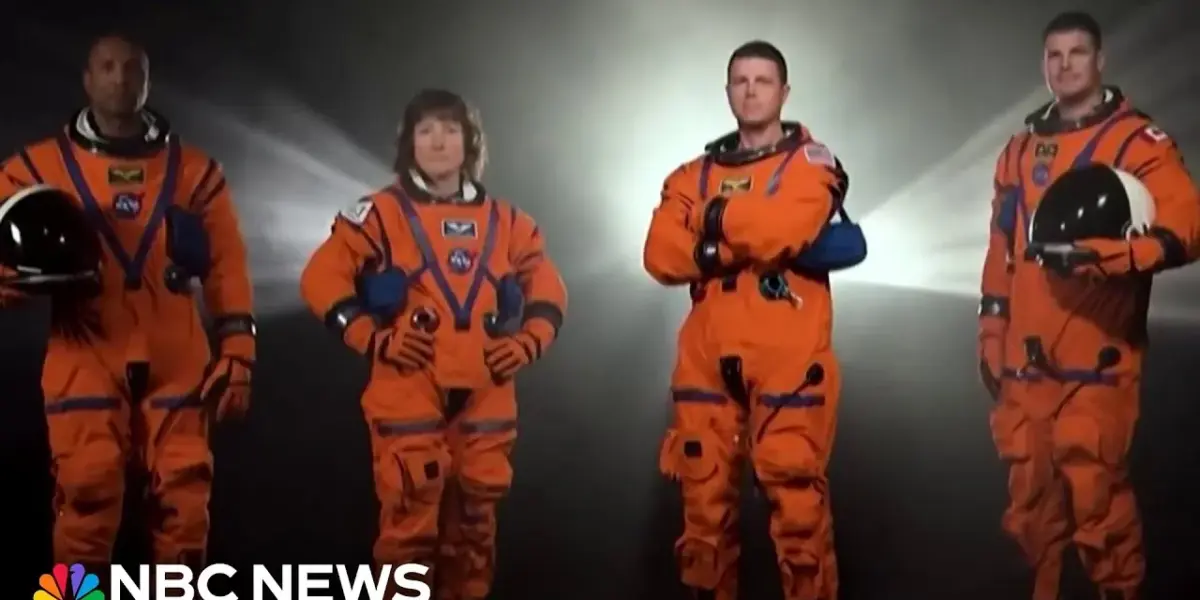
NASA Launches New Era of Lunar Exploration with Artemis II
NASA is on the verge of making history by sending astronauts around the Moon for the first time in over 50 years. The upcoming Artemis II mission marks a significant step in a modern space race, aiming to return humans to the lunar surface and establish a sustained presence there. This ambitious endeavor is seen as a crucial stepping stone for future deep space exploration, including a potential mission to Mars.
Artemis II: A Test Flight for Future Lunar Missions
The Artemis II mission, scheduled for launch, will not involve astronauts landing on the Moon. Instead, this ten-day journey is designed to thoroughly test the capabilities and safety of NASA’s Orion capsule and its powerful Space Launch System (SLS) rocket. The primary goal is to prove that humans can safely travel to the Moon, orbit it, and return to Earth without any issues. This mission is essential for building confidence in the technology needed for longer-term lunar exploration and scientific research.
“The primary mission. It’s to ensure that you could get to the Moon, go around it, come back safely, no issues.”
A Glimpse into NASA’s Storied Past
America’s journey to the Moon began in the 1960s, fueled by scientific competition during the Cold War. President John F. Kennedy famously declared, “We choose to go to the Moon in this decade and do the other things not because they are easy, but because they are hard.” This challenge culminated in the Apollo 11 mission in 1969, when Neil Armstrong became the first human to walk on the lunar surface. The iconic moment, “That’s one small step for man. One giant leap for mankind,” inspired a generation.
Former NASA astronaut Mike Massimino, who was six years old during the Apollo 11 landing, recalled the profound impact of that event. “I remember Apollo 11 really well. I was six years old. It really touched me down in my heart and my soul and made me want to be like Neil Armstrong,” he shared. However, after the Apollo program concluded just three years later, NASA’s focus shifted to projects like Skylab, the first space station, and the Space Shuttle program.
From Shuttles to Rovers and Private Spaceflight
The Space Shuttle program enabled significant achievements, including the launch of the Hubble Space Telescope and the construction of the International Space Station. Massimino himself flew two missions aboard the Space Shuttle, fulfilling a childhood dream. In the 21st century, NASA increasingly relied on robotic missions, sending rovers like Spirit to explore the surface of Mars.
The 2010s saw a boom in private spaceflight, making trips to Earth’s orbit more affordable and accessible. Companies like SpaceX, founded by Elon Musk, and Blue Origin, led by Jeff Bezos, are now key partners for NASA. This collaboration allows NASA to aim higher, setting its sights once again on the Moon and beyond.
Challenges and the Future of Lunar Exploration
The road to Artemis has not been without its difficulties. The program has faced delays, budget overruns, and criticism regarding its cost. Despite these challenges, the value of returning to the Moon is considered immense. “I think this is a real opportunity for for young people to see what’s possible and maybe change the direction of their life, just like the Apollo 11 mission did for me,” Massimino stated.
The Artemis II mission is particularly historic as it includes the first female astronaut to travel farther than any woman has gone before. This mission is seen as a vital step towards establishing a sustained human presence on the Moon, a goal that NASA hopes will pave the way for long-term scientific research and eventual missions to Mars. NASA aims to land two missions on the Moon by 2028, with a competition underway between SpaceX and Blue Origin to develop the lunar lander.
Looking Ahead: The Road to Mars
Following Artemis II, the plan is for Artemis III to test critical systems and docking procedures in Earth orbit next year. Subsequent missions, Artemis IV and V, will focus on landing on the Moon. Beyond the Moon, NASA’s ultimate goal is Mars. This journey will require building a lunar base and developing advanced propulsion systems, such as nuclear power, to make the trip feasible. While a Mars mission is likely many years away, the Artemis program is laying the groundwork for humanity’s next giant leap into the cosmos.
Source: Looking back at NASA’s moon missions ahead of Artemis II launch (YouTube)

Related Articles

Artemis II: Humanity’s Giant Leap Back to the Moon
NASA's Artemis II mission is set to launch, marking humanity's first crude return to the moon in over 50 years. The mission features international partners, historic firsts for astronauts, and aims to test systems for future Mars journeys.


Last Man on Moon Shares Wisdom for Artemis II Crew
Harrison Schmitt, the last man to walk on the Moon, shares his reflections and advice for the upcoming Artemis II mission. The geologist astronaut emphasizes the scientific value of lunar exploration and encourages the new generation of spacefarers to embrace the experience.


President Hints at Iran War End, Gas Prices Soar
President Trump signaled a potential end to the war in Iran within weeks, even as gas prices soared above $4 a gallon. The U.S. continued strikes on Iran, while an American journalist was kidnapped in Iraq. In other news, a judge halted President Trump's White House ballroom project, Tiger Woods is seeking treatment after a DUI arrest, and NASA prepares for a historic Moon mission launch.