President’s Ballroom Meltdown Distracts From Real Issues
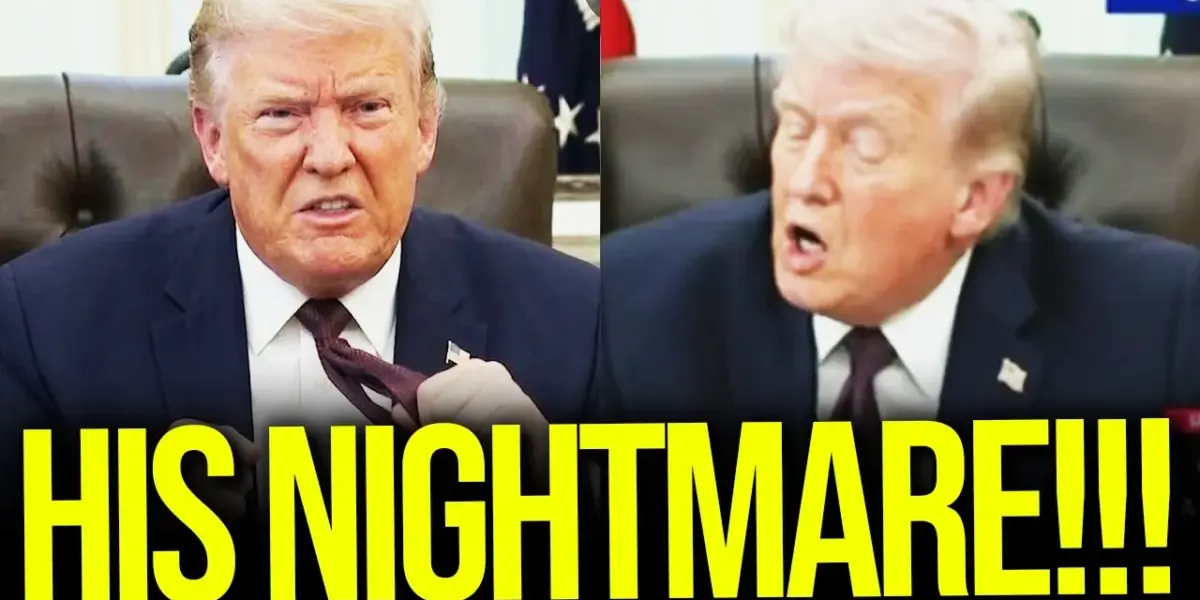
President Trump's press conference, meant to discuss voting, devolved into a heated defense of a halted White House ballroom project. His combative exchanges with reporters, particularly when questioned about rising gas prices, highlight a distraction from pressing national issues.

President’s Ballroom Meltdown Distracts From Real Issues
President Trump recently held a press conference that was supposed to focus on voting. Instead, it turned into a public display of frustration over a halted construction project: a new ballroom at the White House. This unexpected turn highlights a pattern of prioritizing personal projects over pressing national concerns.
A Ballroom Becomes the Focus
The controversy began when a federal judge, appointed by President Bush, stopped the construction of a large ballroom planned for the East Wing. The judge ruled that the project, funded by $400 million in private donations, lacked the necessary congressional approval. He also noted that the administration appeared to be coercing donations, which is not a proper way to fund such projects.
During his press conference, President Trump spent a significant amount of time defending the ballroom project. He claimed it was funded entirely by private donors and did not use taxpayer money. He also argued that other White House structures were built without needing direct congressional approval. However, historical records show that both the East and West Wings, as well as their funding, received full approval from Congress.
The judge’s ruling allowed for necessary repairs related to safety and security. President Trump seemed to interpret this as permission to continue building the ballroom. He focused on phrases like “safety and security” and the need to protect the White House grounds, suggesting the ballroom was essential for these reasons. He also mentioned installing bulletproof glass, implying a connection to security needs.
Clash with Reporters
The situation grew more heated when reporters asked follow-up questions, particularly about rising gas prices. When asked about gas prices hitting $4 a gallon, President Trump deflected, focusing instead on foreign policy and national security concerns related to Iran. He suggested that his policies were making Americans safer, even as gas prices climbed.
His interactions with reporters became increasingly combative. He appeared to target female reporters specifically, often cutting them off or questioning their motives. When asked about Iran threatening U.S. companies, including tech giants like Google and Apple, President Trump struggled to provide clear answers. He repeatedly asked what the specific threats were, dismissing the reporter’s knowledge and at one point stating that Iran didn’t have much left to threaten.
One reporter mentioned that Iran threatened to attack U.S.-owned infrastructure in the Middle East, including tech companies, and that this infrastructure could be destroyed. President Trump’s response was to accuse the media of spreading fake news. He cited his own high percentage of negative press coverage, suggesting it proved people didn’t trust the media, even though he claimed to have won his election in a landslide.
Why This Matters
This event raises concerns about the priorities of the executive branch. Instead of addressing critical issues like the economy, which directly impacts everyday Americans through rising gas prices, the President seemed preoccupied with a building project. The public display of frustration and combative behavior towards the press also erodes trust and hinders open communication.
Historical Context
The White House itself has undergone numerous renovations and additions throughout history. Many of these projects, especially those involving significant structural changes or funding, have required congressional oversight and approval. The idea that a president can unilaterally decide to build large structures on the grounds, regardless of funding or approval processes, goes against established norms of governance.
Trends and Future Outlook
The incident reflects a broader trend of political leaders using press conferences not just to inform the public but also to vent frustrations and attack perceived opponents, including the media. This approach can distract from substantive policy discussions and create an environment of constant conflict. Moving forward, it will be crucial for leaders to focus on addressing the nation’s challenges with clear communication and a commitment to established procedures, rather than getting sidetracked by personal grievances or construction projects.
Source: Trump Has HILARIOUS Meltdown Over Backfire (YouTube)

Related Articles

MAGA Media Shifts Blame for Iran War Away From Trump
Pro-Trump media figures are shifting blame for potential Iran conflict away from Donald Trump. Instead of direct criticism, outlets like Fox News are questioning Trump's ability to process information, suggesting he was poorly briefed. This strategy aims to protect Trump while contradicting his previous statements about relying on gut feelings.

Markets Rally as Iran War Hopes Rise, Gas Prices Surge
Markets surged on questionable hopes of an end to the Iran war, while oil prices climbed, pushing gas to over $4 a gallon. President Trump urged allies to secure their own oil amidst shifting tones on the U.S. military campaign and disruptions to the Strait of Hormuz.
Trump’s Mideast Strategy: A Long Game
Newt Gingrich argues President Trump's Middle East strategy is a long game, not a withdrawal. Powerful U.S. military assets ensure a persistent presence. The strategy aims to pressure adversaries and encourage allies to take greater responsibility for regional security.