Court Protects ‘Junk Science’ Speech, Threatens Medical Regulation
The Supreme Court's recent 8-1 ruling protecting 'conversion therapy' talk as free speech sparks debate on medical regulation. Concerns rise over potential harm and the future of healthcare oversight.

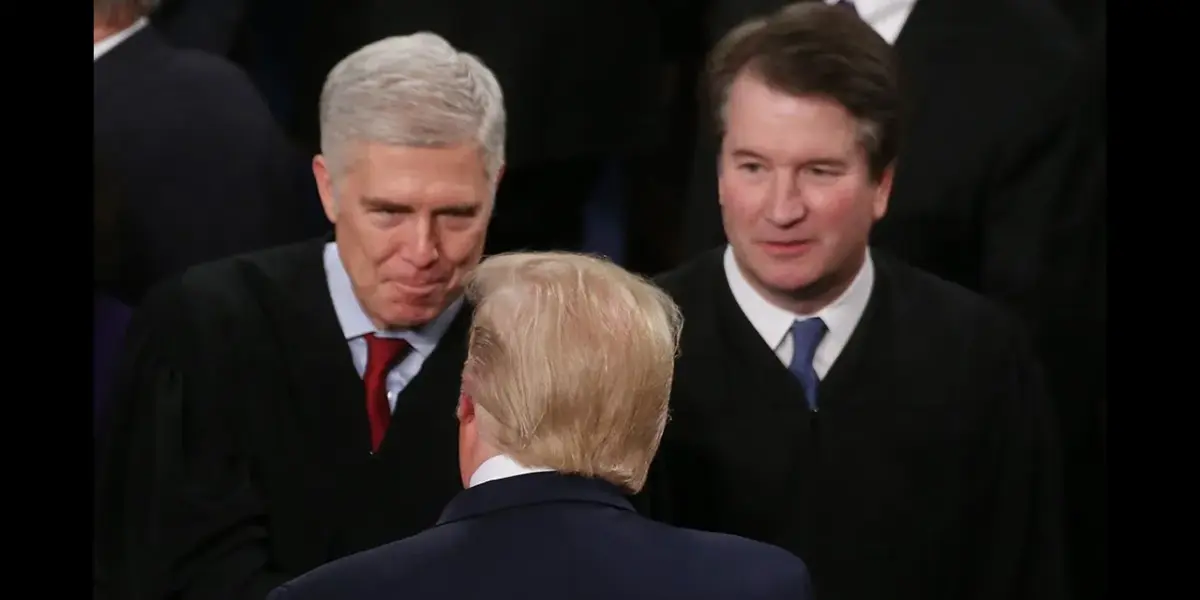
Supreme Court’s ‘Conversion Therapy’ Ruling Sparks Free Speech Debate
The U.S. Supreme Court recently issued a major decision that has stirred significant debate. The case, originating from Colorado, dealt with the state’s attempt to ban so-called “conversion therapy.” This practice involves therapists, often hired by parents, trying to change the sexual orientation of young LGBTQ+ individuals to heterosexual. The Supreme Court, in an 8-1 vote, ruled that banning this type of “talk therapy” violates the First Amendment’s protection of free speech.
The Court’s Reasoning and the Dissent
The majority opinion stated that the Colorado law specifically targeted one type of speech, which they found unconstitutional. Justice Jackson, the sole dissenter, argued that states should be able to regulate medical practices, including what doctors can say to patients. She warned that allowing the First Amendment to broadly protect all medical advice could lead to rampant quackery, leaving states powerless to intervene.
Interestingly, two more liberal justices, Sotomayor and Kagan, joined the majority. They wrote a separate opinion explaining their reasoning. They felt the ban was unconstitutional because it targeted a specific viewpoint. They emphasized that the ruling applied to “talk therapy” and not to other medical interventions like medication. This distinction, they suggested, made it a clear case of viewpoint discrimination, which the First Amendment prohibits.
Concerns About Medical Regulation and Future Implications
Some observers worry that this ruling could make it harder for states to regulate medical speech, potentially opening the door to harmful practices. The argument is that if therapy is treated as a medical practice, states should have the power to regulate it. However, the majority saw it differently, focusing on the “talk” aspect and the specific targeting of a viewpoint. This has raised concerns that the ruling might be used by conservatives to challenge existing bans on conversion therapy or to push other forms of questionable medical advice.
There’s also a broader concern that this ruling could be part of a larger conservative effort to introduce more unproven or disproven treatments into medicine. This is especially worrying given concerns about the spread of misinformation regarding vaccines and other health issues. Justice Jackson’s dissent seems to echo this fear, suggesting that allowing free speech protections for all medical claims could undermine science and medicine by preventing states from ensuring patient safety.
A Look Ahead: The Voting Rights Act Case
Beyond the conversion therapy ruling, there’s another significant case the Supreme Court is expected to decide soon: the Clay case, which challenges the Voting Rights Act. This case has been pending for months, and the fact that it’s the only one left from an early session raises concerns. Typically, all justices author at least one opinion per session. With Justice Alito being the only one who hasn’t yet authored an opinion from that sitting, many fear he might be writing the majority opinion in the Clay case. Given his conservative stance and reported skepticism towards the Voting Rights Act, this could have devastating consequences for voting rights in America.
Why This Matters
This Supreme Court decision on conversion therapy highlights a critical tension between free speech rights and the government’s ability to regulate potentially harmful practices, especially within the medical field. The ruling’s focus on “talk therapy” as protected speech, even when it involves discredited practices, could set a precedent. It raises questions about how far states can go in protecting vulnerable populations from what many consider to be dangerous medical advice.
Historical Context
For years, medical organizations have widely condemned conversion therapy as ineffective and harmful. Many states and localities have passed laws banning it, viewing it as a form of medical malpractice and a violation of LGBTQ+ rights. This Supreme Court ruling appears to challenge those efforts, framing the issue through the lens of free speech rather than medical regulation. This approach echoes earlier debates about regulating other forms of speech, such as advertising or certain types of medical claims, where the courts have had to balance public protection with constitutional freedoms.
Trends and Future Outlook
The decision could embolden those seeking to challenge regulations on medical speech. It might also lead to increased litigation as states try to find new ways to protect patients while respecting the Court’s interpretation of the First Amendment. The lingering concern is whether this ruling will contribute to a broader trend of undermining established scientific and medical consensus in favor of less regulated speech. The upcoming decision in the Clay case regarding the Voting Rights Act is another major concern, potentially impacting the fundamental right to vote for millions of Americans.
Source: BREAKING: US Supreme Court issues MAJOR ruling (YouTube)

Related Articles


President Trump Discusses Iran, Supreme Court, and Voter ID
President Trump discussed the Iran conflict, asserting the U.S. will leave when Iran is no longer a nuclear threat. He also voiced strong opinions on upcoming Supreme Court arguments regarding birthright citizenship and advocated for stricter voter identification laws, criticizing media coverage of his administration.
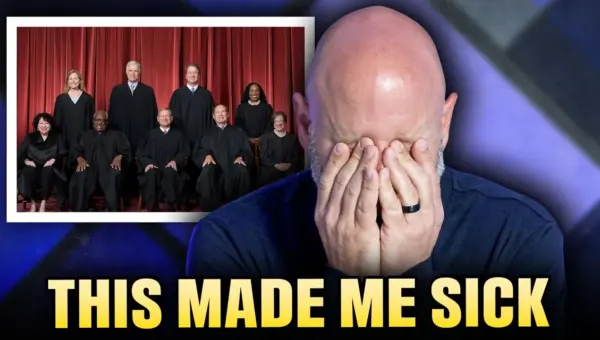
Free Speech vs. Harm: Court’s Conversion Therapy Ruling Sparks Outrage
The Supreme Court's recent decision supporting a challenge to Colorado's ban on gay conversion therapy has ignited widespread concern. While the ruling is technically narrow, focusing on free speech technicalities, critics fear it undermines protections for LGBTQ+ youth and could embolden harmful practices.

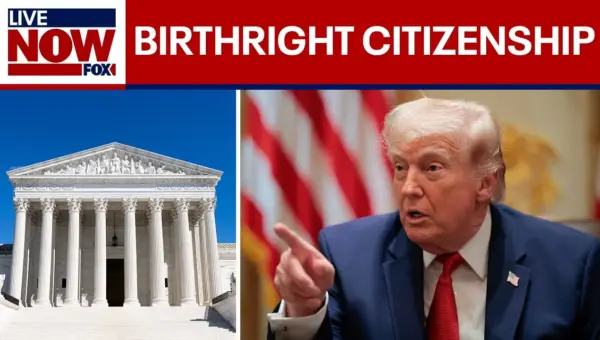
Supreme Court Weighs Birthright Citizenship in Key Trump Case
The Supreme Court is set to hear arguments in Trump v. Barbara, a case challenging President Trump's executive order to end birthright citizenship. The core debate centers on the 14th Amendment's 'subject to the jurisdiction thereof' clause and historical precedent, potentially impacting hundreds of thousands born in the U.S. annually.