EU Leaders Visit Bucha, Demand Justice for War Crimes
EU foreign ministers visited Bucha, Ukraine, to commemorate victims of Russian atrocities and reaffirm support for Ukraine. They are pushing for a special tribunal to prosecute the crime of aggression, separate from war crimes prosecutions. Concerns remain about Ukraine's agenda slipping as global focus shifts, and President Zelenskyy's Easter ceasefire proposal faces uncertainty regarding US backing and Russian compliance.

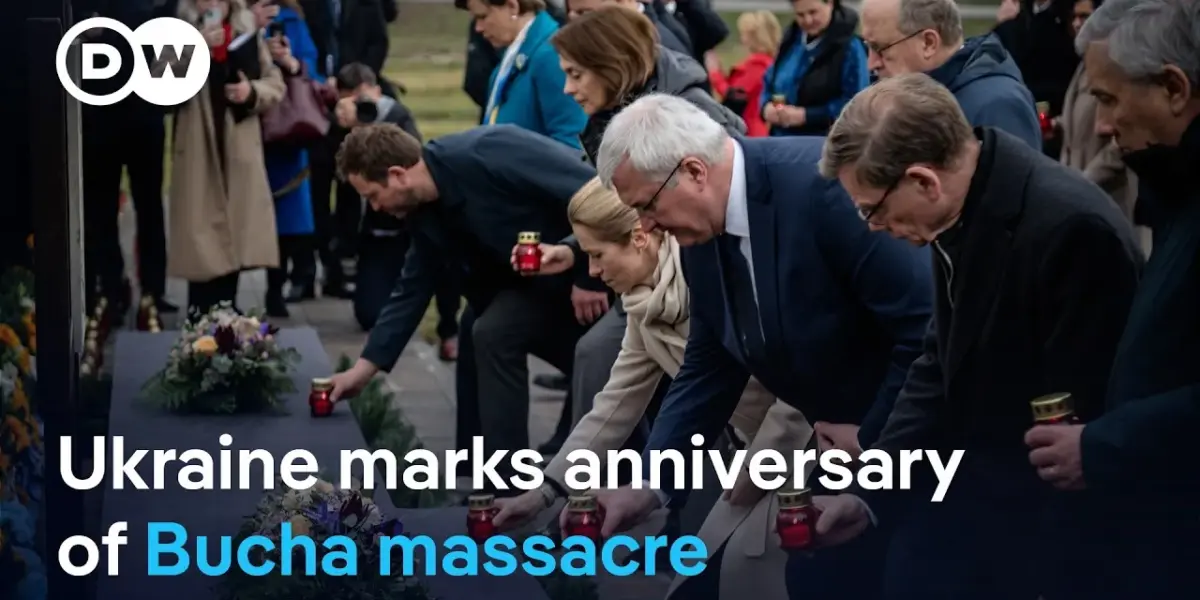
EU Officials Honor Bucha Victims, Push for War Crimes Tribunal
Four years ago, Ukrainian forces liberated the town of Bucha from Russian occupation. The victory was quickly overshadowed by the horrific discoveries of widespread atrocities committed by Russian troops during the occupation. Hundreds of civilians were killed, and many of these war crimes are now under investigation. Russia continues to deny any involvement in these acts. DW correspondent Terry Schultz reported on the grim reality and the ongoing fight for justice.
Bucha Becomes Symbol of Russian Aggression
The name Bucha has become a painful symbol of the worst atrocities uncovered in Russia’s war against Ukraine. Even the grounds of St. Andrew’s Church served as a mass grave, with 116 bodies, including women and children, exhumed after the town’s liberation four years ago. European Union’s top diplomat, Josep Borrell, along with a dozen EU government ministers, visited Bucha to pay tribute to the victims.
Justice for Occupied Territories
During the visit, the EU’s top diplomat, Kayakala, emphasized that Ukraine should not be pressured into surrendering territory to Moscow. She stated, “Whoever is saying that you know just give your territory away. It’s not only territory, it’s people. And this is what happens to the people on the occupied territories. Uh they are killed, they are tortured. Uh and and also I mean their culture is suppressed. So this is what we have to keep in mind.” Kayakala stressed that these events must not be forgotten and called for accountability in court.
Push for a Special Tribunal
The European Union is a leading force behind efforts to establish a new tribunal. This court would aim to prosecute the crime of aggression, holding leaders accountable for ordering actions like the Bucha massacres. This is separate from the International Criminal Court, which prosecutes perpetrators for war crimes. “They also need to be held accountable. And that’s why we need uh the special tribunal for uh the crime of aggression,” explained Kayakala. She acknowledged that the process is moving, but wished it could progress faster.
Growing Support for Accountability
Ukrainian Foreign Minister Dmytro Kuleba stated that the number of countries supporting the tribunal is increasing. He believes the “ashes of Bucha demand justice to be restored.” DW’s Terry Schultz spoke with Kuleba from the Ukrainian capital, Kyiv.
Message of Support and Accountability
Terry Schultz reported from Bucha, where EU foreign ministers gathered not only to commemorate the events of the occupation but also to send a strong message. “They were there to say that they will do everything possible to hold Russia accountable, not just for the killings of at least 500 people here in Bucha, but also across Ukraine,” Schultz said. He added that many cities remain under Russian occupation, and the world doesn’t know what is happening there. The ministers aimed to assure Ukraine, “We will not forget about this. We will hold you accountable.”
Progress on the Special Tribunal
Regarding the special tribunal, Schultz explained that while it is still in its early stages, progress is being made. “The legal mandate for it is being worked out. Uh basically the seed of the tribunal has been organized by experts from 40 countries,” he noted. The EU plans to be a founding member, with other countries like Latvia recently announcing their support. The goal is to create a deterrent by bringing leaders to justice, especially as Russia continues its daily atrocities.
Ukraine’s Fear of Slipping Down the Agenda
With the United States increasingly focused on the conflict with Iran, European officials are worried that Ukraine might be pushed down the political agenda. “For Europeans, Ukraine is their war,” Schultz stated. “They very much feel that this is an existential threat to their own survival.” The EU ministers’ visit and statements aimed to reassure Ukraine of continued support, including funding and weapons, regardless of global events. “We will be by your side. Whatever happens in the rest of the world, we are here. We will continue funding you. We will continue equipping you with weapons to the best of our ability,” Schultz conveyed as the key message.
Easter Ceasefire Proposal and US Role
Ukrainian President Volodymyr Zelenskyy proposed a ceasefire for the Easter holidays during a meeting with EU foreign ministers. He expressed hope that the United States would support this initiative and was awaiting a response from Russia. Zelenskyy mentioned he would discuss this issue with American officials the following day, hoping for positive results. However, Schultz noted that Zelenskyy seemed uncertain about US backing, especially concerning potential peace deals that might require Ukraine to cede territory.
Doubts About Russian Honoring a Deal
Even if a ceasefire were agreed upon, there are significant doubts about Russia’s willingness to honor it. President Zelenskyy has seen no indication that Russia is seeking peace. He recalled a previous instance where Russia proposed an Easter ceasefire last year, which, according to Ukraine, was immediately broken by Russia with hundreds of shells fired within hours. Despite the lack of confidence, Ukraine continues to hope for a pause in hostilities, even if temporary.
Looking Ahead
As Easter approaches, the world watches to see if President Zelenskyy’s proposal for a ceasefire will gain traction and if Russia will show any inclination towards peace. The ongoing efforts to establish a special tribunal for the crime of aggression underscore the international community’s commitment to holding perpetrators accountable, even as geopolitical priorities shift.
Source: US focused on war with Iran: Is Ukraine in danger of slipping down the political agenda? | DW News (YouTube)

Related Articles

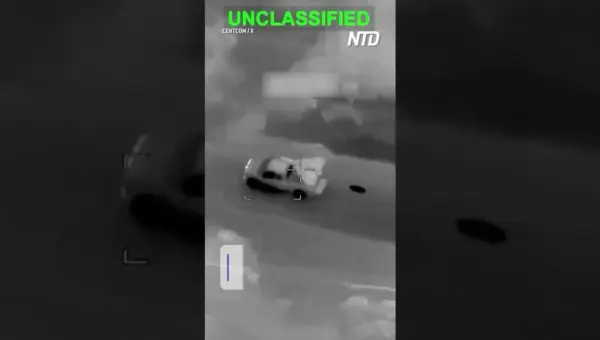
US Unleashes Strikes: Video Reveals Iran Targets Hit
The United States has released video footage showing its military forces carrying out strikes against targets in Iran. U.S. Central Command shared the video, offering a visual account of recent military actions. This release provides a direct look at the U.S. response to perceived threats or actions originating from Iran.
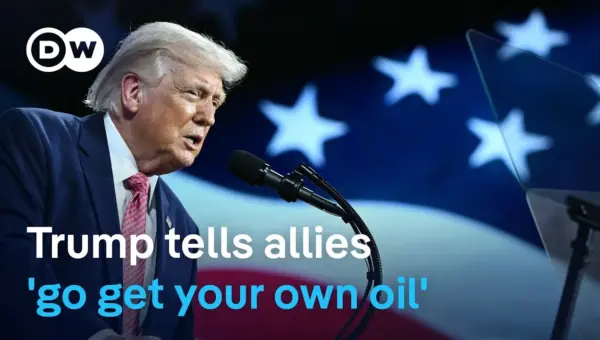
Trump’s Iran Strategy: Off-Ramp or Escalation?
President Trump urged allies to secure their own oil from the Strait of Hormuz, highlighting U.S. frustration with the ongoing Iran conflict. Experts warn of a potential European energy crisis and suggest historical lessons, like the failed Gallipoli campaign, caution against military shortcuts, advocating instead for negotiated diplomatic solutions.
Global Power Shift: US Dollar Faces New Challenges
Geopolitical tensions and economic headwinds are signaling a potential end to the U.S. dollar's global dominance. A developing alternative financial system involving Iran, Russia, and China could reshape international trade and investment.