Crypto Rallies as War Fears Ease, Gas Prices Spike
Cryptocurrencies like Bitcoin and Ethereum saw gains as hopes rose for an end to the current Middle East conflict. However, rising gas prices to $4 per gallon and broader economic concerns continue to pressure markets. Investors are watching geopolitical shifts and inflation closely.

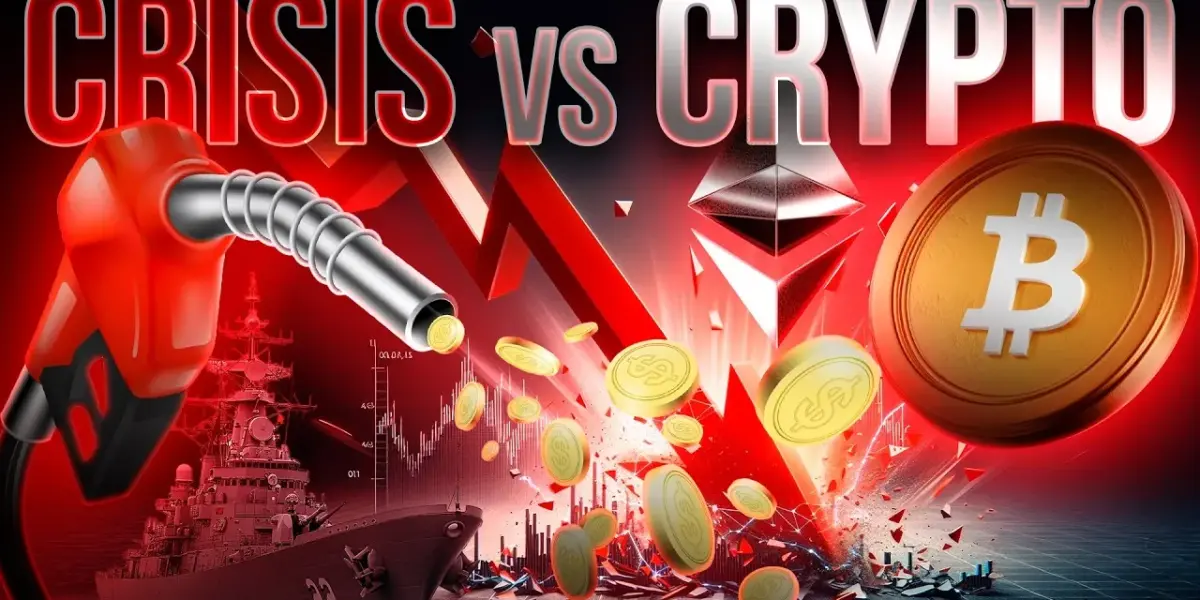
Crypto Market Sees Uptick Amid Shifting Geopolitical Tensions
The cryptocurrency market experienced a notable surge in recent trading sessions, with Bitcoin (BTC) climbing nearly 2% and Ethereum (ETH) jumping almost 5%. This upward movement follows news that Iran may be ready to end its current conflict, signaling a potential de-escalation of geopolitical tensions. However, the rally occurs against a backdrop of rising energy costs, with gasoline prices hitting $4 per gallon for the first time since August 2022, raising concerns about broader economic impacts and inflation.
Geopolitical Developments Drive Market Sentiment
Reports emerged suggesting that the Iranian president has indicated a willingness to end the ongoing war, provided certain guarantees are met. While the specifics of these guarantees remain unclear, the mere prospect of a resolution has positively influenced both traditional stock markets and the crypto space. Analysts are closely watching to see if this sentiment will sustain or if other macroeconomic factors will lead to market retracements. The potential for a peaceful resolution is seen as a significant development, potentially easing global economic pressures.
Rising Gas Prices and Inflationary Concerns
Despite the positive sentiment from potential peace talks, soaring gas prices present a significant challenge. The increase to $4 per gallon, a level not seen in over a year, is a stark reminder of the impact energy costs have on the global economy. This surge in energy prices can contribute to inflation, making goods and services more expensive for consumers and businesses. Disruptions in energy supply chains, especially those flowing through critical chokepoints like the Strait of Hormuz, can impact not only oil but also other essential commodities like fertilizer, liquefied natural gas (LNG), and food. This can lead to tighter supply chains, slower economic growth, and increased pressure on economies worldwide.
US Market Weakness and Corporate Pressure
The broader economic picture also includes significant weakness in the U.S. stock market. A substantial portion of the S&P 500 index is trading below its 200-day moving average, a technical indicator used by traders to assess market health. This trend, if it continues, could mark the weakest market breadth seen in months, potentially putting pressure on political leaders to address economic concerns. Furthermore, companies with operations in the Middle East are facing threats, including major U.S. tech firms like Tesla, Microsoft, Google, Apple, Intel, and IBM, as well as defense giant Boeing. This situation adds another layer of complexity to the economic outlook.
Economic Shocks and the Federal Reserve’s Dilemma
Experts warn of a potential sequence of economic shocks, starting with energy and potentially leading to interest rate shocks, broader inflation, and ultimately, demand destruction. If these trends persist, the risk of financial instability increases. While consumer confidence recently came in higher than expected, other data points, like a decrease in job openings, suggest a cooling labor market. This creates a difficult situation for the Federal Reserve, which aims to control inflation without stifling economic growth. Some economists argue that raising interest rates in the face of potential demand destruction could be counterproductive, especially when supply-side shocks like high energy prices are driving inflation.
The Role of Central Banks and Gold
In times of economic uncertainty, investors often turn to safe-haven assets. Interestingly, central banks have recently been holding more gold than U.S. Treasuries for the first time in three decades. This shift could indicate a growing preference for gold as a store of value amidst global instability. The direction of gold prices may also depend on geopolitical outcomes, including the resolution of the current conflict and potential shifts in global monetary policy.
Political Implications and Future Outlook
The ongoing geopolitical situation and its economic fallout could have significant political implications, particularly in the United States. The cost of sustained conflict and potential economic downturns may influence upcoming elections and policy decisions. As the situation evolves, the cryptocurrency market will likely remain sensitive to both geopolitical developments and broader macroeconomic trends. Investors are advised to stay informed about these interconnected factors influencing market movements.
Source: Crisis Hits Crypto📉Gas Hits $4⛽ (YouTube)

Related Articles

Quantum Threat Looms: Bitcoin’s 2029 Deadline?
Google's latest research suggests quantum computers could crack Bitcoin in 9 minutes by 2029, raising security alarms. However, developers are working on upgrades, and major institutions continue to invest, viewing the threat as manageable and long-term. The crypto market anticipates potential shifts amid institutional adoption and evolving national strategies.
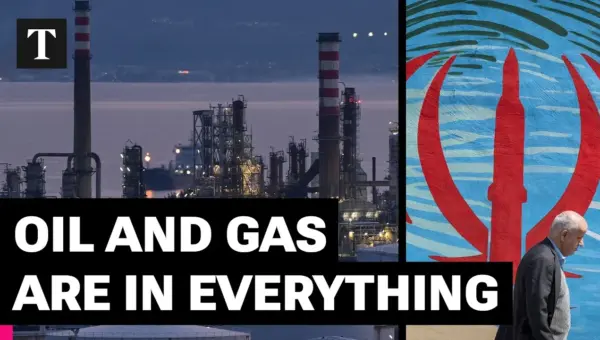
Global Energy Shock Looms: Iran War Threatens Supply, Prices
A widening energy crisis, stemming from the conflict in the Middle East, threatens global economic stability. Economist Liam Halligan warns of potential price shocks, plastics shortages, and even future food insecurity due to disrupted oil, gas, and fertilizer supplies. The UK, as a net energy importer, faces particular vulnerability.


Dem Hopeful’s Silence on Khamenei Death Sparks Outrage
A leaked audio recording reveals a Michigan Democratic Senate hopeful's alleged advice to stay silent on Ayatollah Khamenei's death, sparking outrage. The controversy occurs amid an internet blackout in Iran, hindering potential uprisings. The candidate's stance raises questions about political alignment and voter sympathy.