US Allies Turn Away as America’s Global Role Falters
A perceived shift in U.S. foreign policy has unsettled allies, particularly in Europe, leading them to question American reliability. Aggressive actions in the Middle East and a transactional approach to energy markets are causing concern, pushing allies to seek alternative solutions and re-evaluate security commitments.

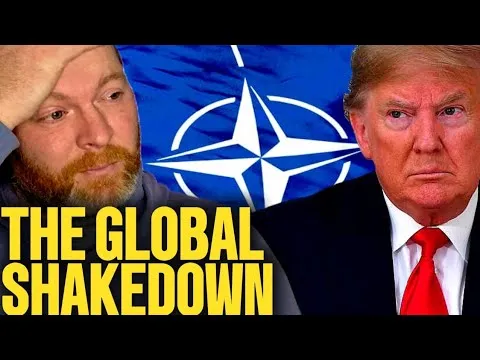
US Allies Turn Away as America’s Global Role Falters
Recent actions by the United States have caused deep concern among its traditional allies, particularly in Europe. A perceived shift in American foreign policy, marked by aggressive military actions in the Middle East and a transactional approach to energy markets, has led many to question the reliability of the U.S. as a partner. This has prompted allies to seek alternative solutions for their energy needs and re-evaluate long-standing security commitments.
A New Era of Distrust
The current approach, described by critics as “peak lunacy” in diplomacy, involves actions that destabilize vital global energy routes. When the U.S. military acts in the Middle East and then advises European nations to “get your own oil,” it is seen as a betrayal of alliance principles. This is especially true for NATO allies who have stood with the U.S. in conflicts for decades. Such actions are viewed not just as a diplomatic misstep but as a direct insult, undermining the shared sacrifices and trust built over years.
The geopolitical equivalent of burning your neighbor’s house down and then making fun of them because they don’t have a roof.
This analogy highlights the perceived hypocrisy: destabilizing global energy supplies and then telling allies they must fend for themselves, while simultaneously promoting American energy exports at inflated prices. This strategy is likened to a protection racket, where instability is created, and then American products are offered as the solution, often with a “freedom premium” attached. This transactional approach, rather than traditional diplomacy, is seen as damaging to international relations.
Motivations and Concerns of Key Actors
United States: The stated goal appears to be securing energy independence and potentially benefiting economically from global energy market disruptions. However, critics argue this strategy is short-sighted and damages long-term relationships. The focus seems to be on domestic political appeal and appealing to a specific base, often through social media platforms.
European Allies (NATO): These nations face significant economic pressure from rising energy costs and supply chain disruptions. They rely on stable energy imports to power their industrial bases and maintain their economies. The perceived unreliability of the U.S. forces them to actively seek diversification of energy sources and potentially strengthen regional security pacts independent of American leadership. They feel betrayed after years of commitment to shared security goals.
Middle Eastern Nations: Actions within the region, whether military or diplomatic, directly impact their stability and economic well-being. The control of critical transit points for global energy is a sensitive issue, and external interference can lead to significant regional tensions and economic hardship.
Historical Context and Shifting Alliances
For decades, the U.S. played a role as a global security guarantor, fostering alliances like NATO. This involved a commitment to collective defense and a degree of predictability in foreign policy. The current actions appear to depart from this established order. The reference to a century-old alliance with the UK, now seemingly disregarded, points to a broader erosion of trust. The comparison to a “protection racket” suggests a return to a more transactional, less principled international engagement, reminiscent of past eras where power dynamics were more overtly based on coercion rather than cooperation.
Economic Leverage and Consequences
The U.S. is perceived to be using its influence over global energy markets as a tool. By potentially disrupting supply or influencing prices, it can exert economic pressure. This is compounded by sanctions and trade policies that can isolate nations or force them into disadvantageous deals. The consequence for allies is rising inflation, increased cost of living, and potential labor cuts for corporations struggling to absorb higher energy expenses. A prolonged period of high oil prices, potentially reaching $200 a barrel, could trigger widespread economic hardship globally, impacting everything from food prices to corporate stability.
Regional Dynamics and Future Scenarios
The current U.S. approach risks alienating key partners and could lead to a more fragmented global order. Allies may accelerate efforts to build independent defense capabilities and secure energy supplies from alternative sources, potentially weakening existing alliances like NATO. This could create opportunities for other global powers to increase their influence. One scenario sees a world increasingly divided, with nations seeking regional blocs for security and economic stability, reducing the U.S.’s global sway. Another, more concerning scenario, involves escalating tensions due to perceived American unpredictability, leading to greater instability and conflict.
Global Impact: A World Walled Off?
The current trajectory suggests a potential for the U.S. to become a global pariah rather than a partner. When a nation’s foreign policy is seen as actively harming its allies and destabilizing global markets, other countries may feel compelled to isolate themselves from that influence. This is not just about trade or military alliances; it’s about a fundamental breakdown in trust. The idea of allies needing to “wall themselves in” reflects a deep-seated fear of the unpredictable consequences of U.S. actions. This could lead to a future where international cooperation is significantly curtailed, and nations prioritize self-preservation over collective security and economic prosperity. The resulting broken supply chains, particularly for food, and rising global costs of living are not isolated incidents but symptoms of a larger geopolitical crisis driven by a perceived lack of rational, stable, and cooperative leadership from a major world power.
Source: "Get Your Own Oil" (Why Europe Now Considers Us an Enemy) (YouTube)

Related Articles
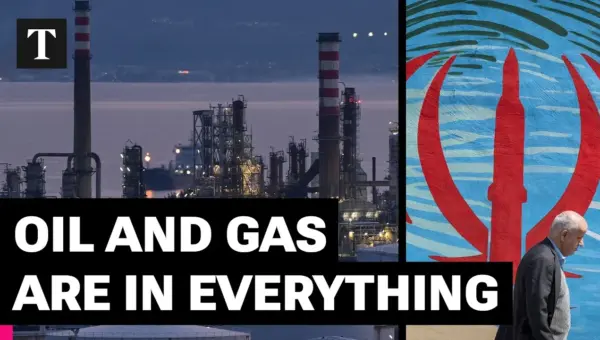
Global Energy Shock Looms: Iran War Threatens Supply, Prices
A widening energy crisis, stemming from the conflict in the Middle East, threatens global economic stability. Economist Liam Halligan warns of potential price shocks, plastics shortages, and even future food insecurity due to disrupted oil, gas, and fertilizer supplies. The UK, as a net energy importer, faces particular vulnerability.

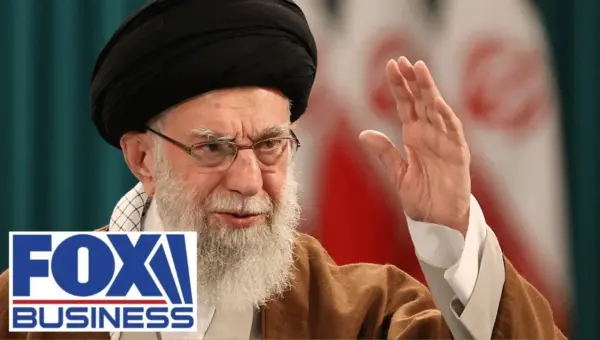
Dem Hopeful’s Silence on Khamenei Death Sparks Outrage
A leaked audio recording reveals a Michigan Democratic Senate hopeful's alleged advice to stay silent on Ayatollah Khamenei's death, sparking outrage. The controversy occurs amid an internet blackout in Iran, hindering potential uprisings. The candidate's stance raises questions about political alignment and voter sympathy.

Crypto Rallies as War Fears Ease, Gas Prices Spike
Cryptocurrencies like Bitcoin and Ethereum saw gains as hopes rose for an end to the current Middle East conflict. However, rising gas prices to $4 per gallon and broader economic concerns continue to pressure markets. Investors are watching geopolitical shifts and inflation closely.