Wozniak’s 1987 Remote: The Future of Home Control
Steve Wozniak's 1987 programmable universal remote offered a futuristic glimpse into home automation, allowing users to set complex command sequences for entertainment devices. This advanced device predated modern smart home technology by decades.

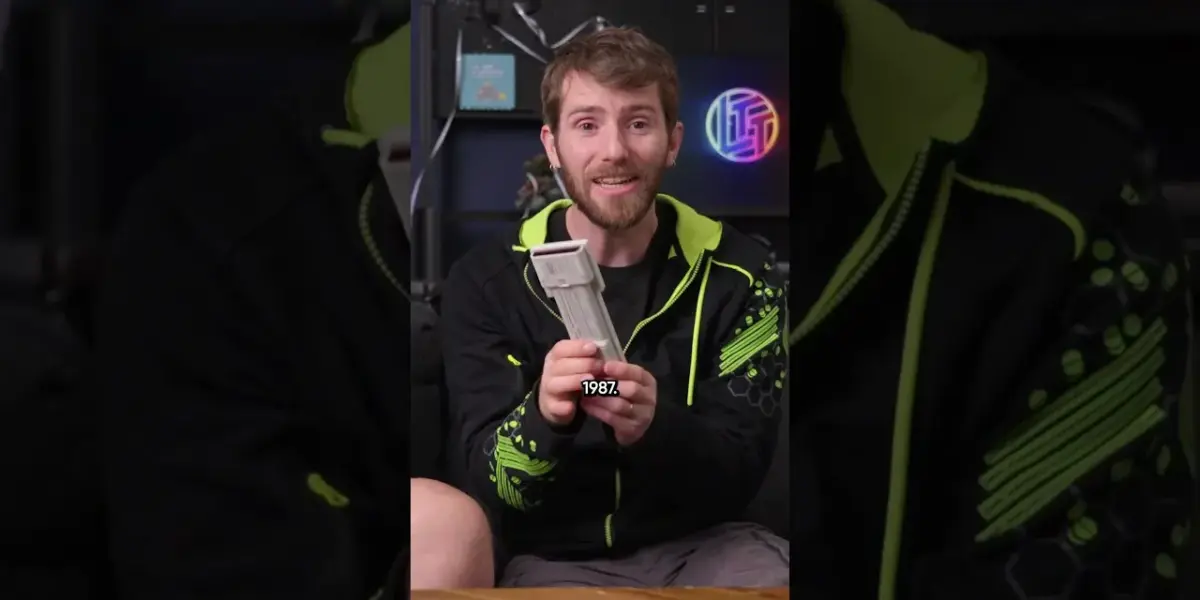
Steve Wozniak’s Vision: A Programmable Remote from 1987
Imagine a world before smart homes, before voice assistants like Alexa or Google Assistant could control your lights and TV with a simple command. Back in 1987, Apple co-founder Steve Wozniak envisioned that future with his custom-built programmable universal remote. This wasn’t just any remote; it was a glimpse into the convenience we enjoy today, built with the ingenuity of early personal computing.
This device allowed users to program complex sequences of commands. Think of it as the ultimate remote for the tech-savvy individual of the late 80s. You could set it up to turn on your cable box, switch channels, power up your VCR, and even start recording a show, all with a single button press. The remote could then be programmed to repeat this entire sequence later.
A Glimpse into Smart Home Automation
The concept behind Wozniak’s remote was surprisingly advanced for its time. It offered a level of automation that wouldn’t become mainstream for decades. For instance, one could imagine programming it to start Netflix today, a function that feels incredibly modern. The ability to assign functions like arrow keys or even control smart home features like house lights, as suggested by the demonstration, shows the forward-thinking nature of the design.
This remote was perfect for anyone who loved tinkering with technology. It was built for the “highly educated, low-level programmer geek,” as described. It offered a way to streamline entertainment setups and control multiple devices through one central, programmable hub. The idea of a single button initiating a series of actions, like pausing playback and adjusting lights for a bathroom break, highlights the remote’s potential for sophisticated home automation.
How it Worked and Who It Was For
The demonstration showed a simple yet effective programming method. A user would select a button and then assign a specific command or sequence to it. This hands-on approach to programming was typical of the era, requiring a certain level of technical understanding. It was a tool for those who enjoyed understanding the inner workings of their devices and customizing their experience.
While the remote was a marvel of engineering for 1987, its complexity meant it was likely best suited for enthusiasts rather than the average consumer. The ability to program it was its greatest strength, but also a potential barrier for those unfamiliar with coding or complex device setups. This device was a precursor to the integrated smart home systems we have now, demonstrating that the desire for convenient, automated control has been around for a long time.
Specs & Key Features (Based on Demonstration)
- Programmable Sequences: Capable of executing multiple commands with a single button press.
- Device Control: Designed to operate various entertainment devices like cable boxes and VCRs.
- Customizable Buttons: Users could assign specific functions, including navigation (arrow keys).
- Automation Potential: Could be programmed for repetitive tasks or integrated with other functions (like lighting).
- Target Audience: Geared towards technically inclined individuals and programmers.
Legacy and Comparison
Steve Wozniak’s programmable remote from 1987 stands as a testament to his innovative spirit. It predates devices like the Logitech Harmony remotes, which became popular for their ability to consolidate control of home entertainment systems. While Harmony remotes offered graphical interfaces and broader device compatibility through software updates, Wozniak’s original concept was built on a more fundamental, programmable hardware level.
The vision embodied in this remote is now a reality in many homes. Smart speakers, hubs, and mobile apps allow us to control nearly every aspect of our living spaces. Wozniak’s 1987 creation was an early, tangible step towards that connected future, proving that the dream of a truly automated and convenient home environment has been evolving for decades.
Source: Steve Wozniak's programmable remote (YouTube)

Related Articles

Retro MP3 Players: A Nostalgic Tech Dive
Before the iPod dominated the market, PC brands like Intel, Dell, and Lexar experimented with MP3 players. This article dives into some of the rarest and strangest early devices, exploring their features, limitations, and the nostalgic journey they represent.


Apple Co-Founder Wozniak Warns on AI Future
Apple co-founder Steve Wozniak shared concerns about artificial intelligence, emphasizing the importance of human understanding over AI's data processing. He also criticized modern tech business models for eroding user ownership and potentially diminishing essential skills.


GPU Power: The Ambitious Web Tech That Failed
Famulus was an ambitious 2012 startup that aimed to revolutionize web apps using GPU acceleration. Despite raising $30 million, it ultimately failed due to browser advancements, new development tools, and its own complexity. However, Famulus pushed the boundaries of web performance expectations.