Meta Faces Lawsuits Over Addictive Platforms Harmful to Kids
Meta, the parent company of Facebook and Instagram, has been found liable in two major lawsuits for creating addictive platforms harmful to children. Whistleblower Frances Haugen provided evidence suggesting the company prioritized engagement over safety. These rulings carry significant financial penalties and could lead to widespread legal action and forced changes.

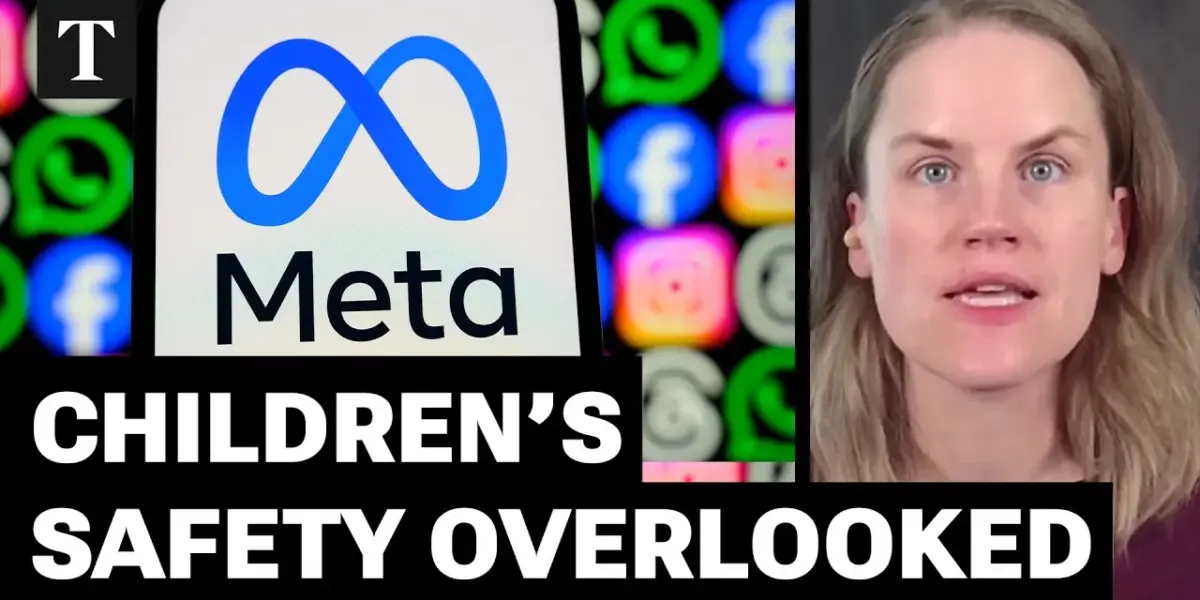
Meta Hit With Major Lawsuits Over Child Safety Concerns
Meta, the parent company of Facebook, Instagram, and WhatsApp, is facing significant legal challenges after being found liable in two major lawsuits in the United States. Juries determined that the company created addictive platforms that are harmful to children. These rulings could force Meta to make drastic changes to its operations.
New Mexico Court Orders Meta to Pay $375 Million
In a New Mexico civil court, Meta was found to have misled users about the safety of its platforms for children. The court ruled that the company endangered young users by exposing them to sexual predators. As a result, Meta was ordered to pay a civil penalty of $375 million.
California Jury Awards $6 Million in Damages
Separately, a 20-year-old woman in California was awarded $6 million in damages. Meta was found liable for damaging her mental health due to her addiction to the company’s platforms. This case highlights the personal toll these platforms can take on young users.
Whistleblower Alleges Company Prioritizes Profit Over Safety
Internal documents shared by Meta whistleblower Frances Haugen reveal a pattern of prioritizing user engagement over child safety. Haugen, a former product manager on Facebook’s civic integrity team, stated that the company was aware of the harms its platforms caused but often chose not to implement safety measures if they reduced user activity. “The real issue here is that when you don’t have to pay for the costs of your actions, which is what these platforms have assumed, you end up cutting corners,” Haugen explained.
Internal Documents Show Neglect of Vulnerable Users
Haugen’s documents and evidence presented in court suggest that employees on the front lines saw the negative impacts on children. However, these concerns were often dismissed. For example, when asked about stopping late-night notifications to children, employees were reportedly told, “Well, we could stop sending notifications to children late at night, but they use the product 1% less at that point.” This indicates a clear choice to maintain engagement metrics over user well-being.
Broader Implications and Legal Battles Ahead
These landmark cases have not only resulted in substantial financial penalties for Meta but have also caused its market value to drop by billions. Experts suggest these rulings could pave the way for numerous other legal proceedings. The company denies the allegations, stating it takes steps to keep young users safe and plans to appeal both verdicts. This legal battle is expected to be a lengthy process through the American court system.
Echoes of Big Tobacco and Asbestos Litigation
The current legal challenges against Meta draw comparisons to historical litigation against industries like big tobacco and asbestos manufacturers. For years, tobacco companies denied their products were addictive and fought legal battles. Similarly, asbestos companies faced massive settlements after it was proven their products caused severe health issues. The scale of potential damages in the Meta cases is immense; if extrapolated, the New Mexico penalty could equate to $50 billion for the entire U.S. population. A single $6 million award for one young woman could represent trillions in damages if applied to a significant fraction of affected teenagers nationwide.
Meta’s Business Model and Lack of Transparency
Meta’s business model relies heavily on advertising, meaning more user engagement translates directly into higher revenue. This creates an incentive to keep users on the platform for as long as possible, even if it means promoting addictive features. Haugen pointed out that the company’s management strategy, which relies on abstract metrics like engagement numbers, can lead to a lack of awareness about specific harms. “If you don’t have a number measuring how many kids say, ‘When I use your product, it makes me really depressed,’ that number will disappear into the void,” she stated.
The Path Forward: Transparency and Accountability
One proposed solution from whistleblowers, like Arturo Behar, is increased transparency. Behar suggested that Meta should report quarterly on the fraction of users who receive unwanted sexual messages. This kind of accountability, he argued, would allow market forces and potential lawsuits to drive change. Haugen emphasized that transparency is the only way forward for these platforms.
Mark Zuckerberg’s Role and Company Culture
Mark Zuckerberg, as the majority shareholder, holds significant control over Meta. During testimony in the recent California case, Zuckerberg stated that if he were fired, he would simply fire the board and rehire himself, underscoring his ultimate authority. Haugen believes the company’s culture, which focuses on the positive impact while downplaying harms, stems directly from Zuckerberg. “The buck stops with Mark. The issue is the culture of focusing on the good over the bad,” she asserted. She added that when he refuses to prioritize child safety, responsibility lies with him.
What’s Next for Meta?
Meta is expected to continue fighting these legal battles, potentially delaying necessary changes. The company’s strategy may involve prolonging litigation, as each week of delayed operational changes can result in billions in revenue. The coming months and years will likely see more cases emerge and potentially reveal further insights into the company’s practices and their impact on users, especially the most vulnerable.
Source: Meta 'Cutting Corners' On Online Safety To Maximise Attention | Facebook Whistleblower (YouTube)

Related Articles

Government Offers Up to 30% Payout for Fraud Tips
The U.S. government is now offering whistleblowers up to 30% of recovered funds to expose fraud in social programs. This initiative aims to combat billions lost annually, with suspicious activity reports already surging by 20%. The program seeks to incentivize insiders to report wrongdoing, mirroring successful models like the SEC's whistleblower awards.


Whistleblower Exposes Massive Fraud, Threatens State Government
A former Minnesota DHS employee, Scott Stillman, blew the whistle on massive fraud years ago but claims he was targeted. Now, U.S. Attorney Joe Thompson estimates $9 billion in fraud, validating Stillman's warnings and raising questions about government accountability.


Tech Giants Face Lawsuits Over Child Exploitation
Families are suing Meta, alleging its platforms are used by predators for financial sextortion, leading to teen suicides. The lawsuit claims Meta prioritized profits over child safety, with algorithms allegedly connecting predators to vulnerable teens. Braden Bone's family is seeking accountability and platform changes, not just monetary compensation.