German Left Party Splits Over Zionism and Antisemitism Debate
Germany's Left Party is facing a significant internal rift over its stance on Zionism and antisemitism, fueled by the conflict in Gaza. A regional branch's resolution criticizing "real existing Zionism" has ignited a fierce debate about the ideology's link to suffering and concerns over antisemitism within the party itself.

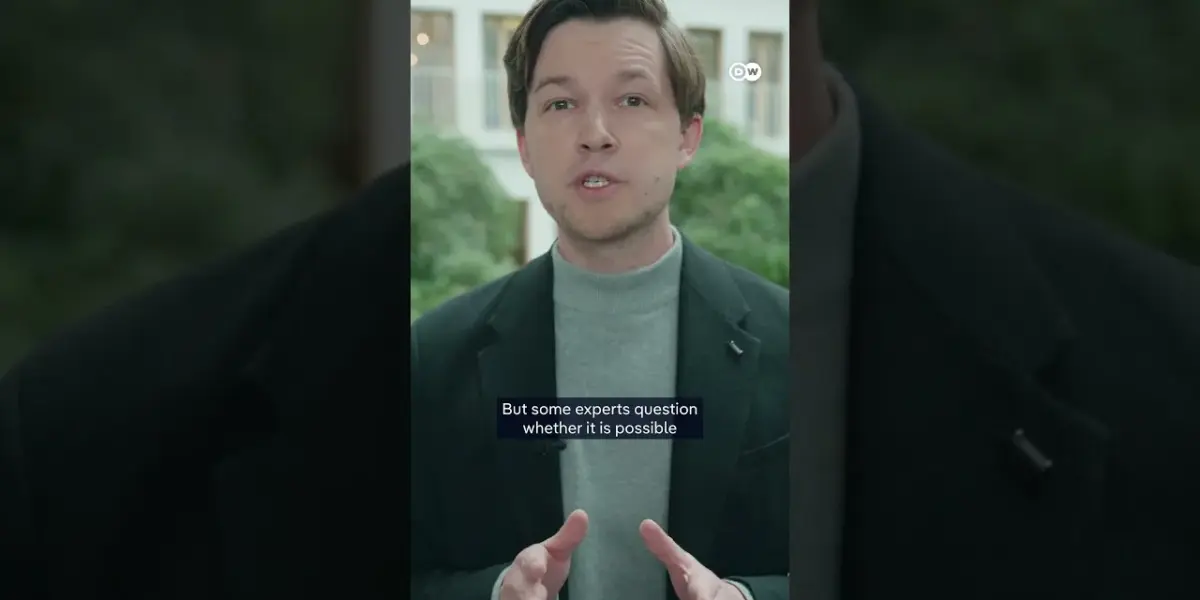
German Left Party Divided on Zionism, Antisemitism
Germany’s Left Party, known as Die Linke, is experiencing a significant internal division over its stance on Zionism and its relationship with antisemitism. A recent resolution by a regional party branch has sparked a heated debate, rejecting what it terms “real existing Zionism today.” This move highlights a deep rift within the party regarding Israel, its policies, and the very definition of antisemitism in the current political climate.
Resolution Criticizes “Real Existing Zionism”
The controversial resolution, passed by a regional branch of Die Linke, specifically targets what it calls “real existing Zionism.” According to party members, this term is used because the alleged crimes are not solely attributed to the current Israeli government but are seen as having occurred for a long time, dating back to the Nakba, the Palestinian term for the 1948 displacement of Palestinians. Party officials argue that it is crucial to address the ideology used to justify these actions.
“We use the term ‘real existing Zionism’ because it is not just the current government of Benjamin Netanyahu committing these crimes, but because these crimes have been happening for a very long time, at least since the Nakba,” stated a party representative. “That is why it is important to also use the ideology that is used to justify these crimes.”
Gaza Conflict Fuels Debate
The ongoing conflict in Gaza has intensified the internal party discussions. Many members of Die Linke, including the party’s co-leader, have openly labeled Israel’s actions as genocide. This perspective stands in stark contrast to Germany’s traditional political landscape, which is generally pro-Israel, partly due to historical responsibility stemming from the Holocaust.
Differing Views on Zionism’s Core
While Zionism is commonly understood today as the belief in the Jewish people’s right to self-determination and a homeland in Israel, the resolution’s supporters propose a more critical view. They argue that Zionism is intrinsically linked to suffering. The resolution suggests that genocide is not merely a consequence of specific Israeli government policies but a necessary outcome of the Zionist ideology itself.
Historical Context of Zionism
The transcript notes that Zionism evolved as a movement, starting as a smaller part of the broader Jewish population and growing over time. However, it also points out that the movement itself has never been monolithic or uniform in its beliefs and practices. This historical complexity adds another layer to the current internal party debate.
Concerns Over Antisemitism Within the Party
The controversy has also brought to the forefront long-standing concerns about antisemitism within Die Linke. Some party figures and observers believe that antisemitism has become a structural problem within the party. They suggest that many individuals who have joined the party, particularly those influenced by post-colonial theories, view Israel as a white, European settler-colonial project. This viewpoint, critics argue, has allowed antisemitic sentiments related to Israel to infiltrate the party’s discourse.
“Die Linke has a structural problem with antisemitism,” stated a prominent member. “Many people have joined the party who have a completely different background, especially from the corner of post-colonial theory. They are of the opinion that Israel is a white European settler-colonial project, and they have brought their Israel-related antisemitism far into the party.”
Broader Implications for the German Left
This internal conflict within Die Linke has significant implications for the broader German left-wing political scene. The party’s struggle to reconcile its anti-war stance with its historical opposition to antisemitism, while also grappling with new ideological currents, presents a complex challenge. The debate touches upon sensitive historical memories in Germany and the evolving nature of political discourse surrounding the Israeli-Palestinian conflict.
What’s Next for Die Linke?
The coming months will be crucial for Die Linke as it attempts to navigate these deep divisions. The party must find a way to address the concerns about antisemitism within its ranks while maintaining its critical stance on Israeli government policies. How the party leadership and its members resolve this ideological conflict will likely shape its future direction and its standing within German politics.
Source: Why Germany’s Left Party is divided over what it means to be Zionist | DW News (YouTube)

Related Articles
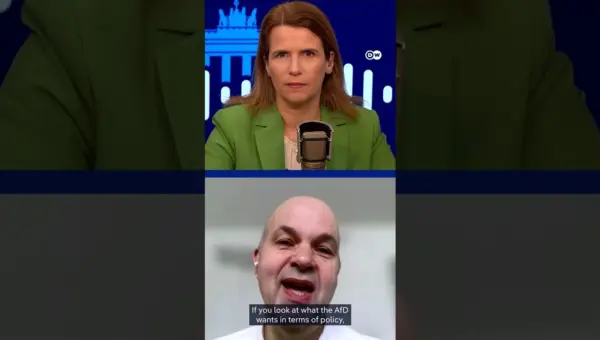
AfD’s Policies Could Harm Its Own Voters Most
The AfD party's policy proposals present a paradox, potentially harming its own supporters most, according to analysis. The party's libertarian stance on taxes and social programs could hurt low-income voters who rely on them. This comes as mainstream parties struggle to connect with the working class.
Germany Faces Reform Crisis: Coalition Grapples with Urgency
Germany is facing a critical moment, needing urgent social and economic reforms amidst global crises and a rising far-right. The governing coalition is divided, with key figures calling for a shift towards the center and acknowledging budget shortfalls. Public support for reforms is high, but willingness to sacrifice is low, creating a challenging path forward.

Europe Deploys Soldiers Amid Rise in Antisemitism
European governments are deploying soldiers and increasing security measures to protect Jewish communities amid a reported rise in antisemitic incidents. From Antwerp to Germany, Jewish citizens are experiencing increased harassment and fear, with experts linking the surge to both historical prejudices and current geopolitical conflicts. The situation highlights a growing concern for Jewish life across the continent.