FBI Eyes Tech in Nancy Guthrie Case
The FBI is using advanced genetic genealogy to find clues in the Nancy Guthrie case. This technology, which helped solve decades-old murders, offers new hope for the family. Investigators are focusing on specific dates and potential tracking data to identify a suspect.

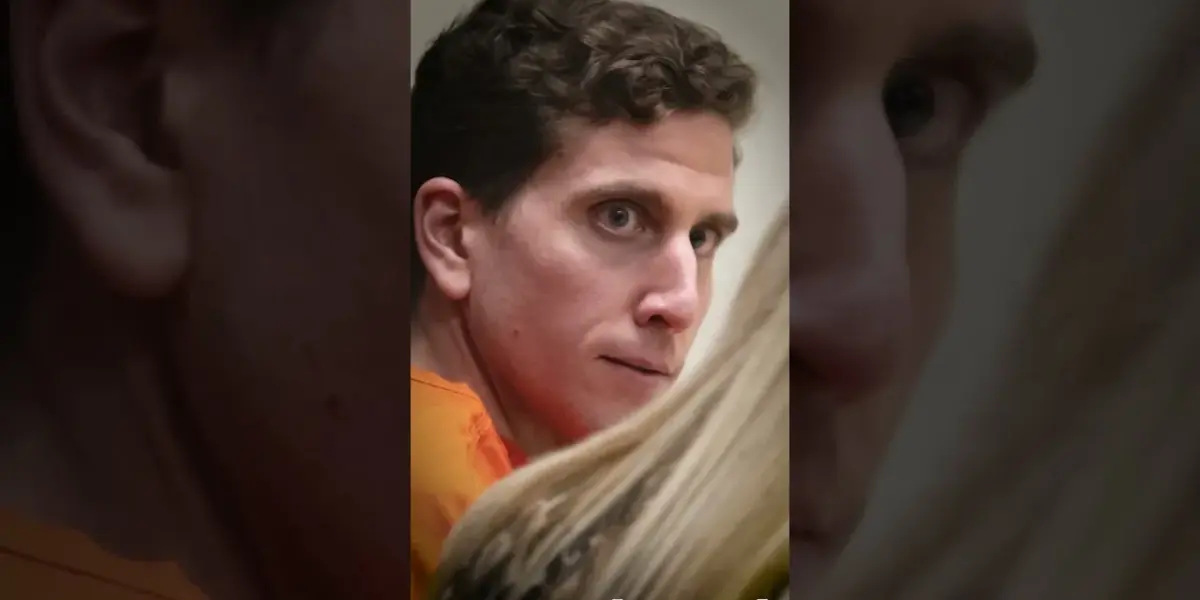
FBI Eyes Tech in Nancy Guthrie Case
Investigators are focusing on new clues in the Nancy Guthrie case. They are asking the public to remember specific dates: January 11th, January 24th, and the early morning of February 1st. These dates suggest the person responsible might have been near Nancy Guthrie’s home before she disappeared. Police are looking for any signs of planning or any digital or biological evidence that may have been left behind.
Renowned defense attorney Mark Garagos is watching the case closely. He has represented famous figures like Sean ‘Diddy’ Combs and Michael Jackson. Garagos believes investigators have found tracking data. This data may show someone was in the area weeks before the disappearance and again eight days before. This also matches the night before Nancy went missing.
The family is suffering greatly. They have been asking for public help for weeks. They want to find Nancy and bring her home. Her children have shared their pain, saying, “Everyone is looking for you, Mommy. Everywhere. We believe our mom is still out there. We need your help. We need to know where she is. We need her to come home. It is never too late to do the right thing. And we are here.” They describe their agony as unbearable.
Genetic Genealogy Offers New Hope
A powerful tool being used is investigative genetic genealogy. This is the same technology that helped find Brian Coberger, accused in the Idaho murders, and identified the Golden State Killer. Experts believe this method will solve the Nancy Guthrie case.
One expert, CC Moore, is a leader in this field. She has a history of solving difficult cases, including the murder of 12-year-old Michella Welch. In 1986, Michella was at a park in Tacoma, Washington, with her younger sisters. Michella went to make sandwiches and vanished. Her bike and the lunches were found, but Michella was gone. Her body was discovered later that night. She had been sexually assaulted and murdered. The case went cold for over 30 years.
Police hired CC Moore to look at the DNA evidence. She solved the crime in just hours. Moore used a DNA sample from the crime scene to build a family tree. This led investigators to the killer, Gary Hartman. Hartman was a nurse who lived in the same area where Michella was taken. Police confirmed his identity after following him and obtaining his DNA from a used paper napkin.
Global Impact
The use of genetic genealogy in criminal investigations is changing how cold cases are solved. This technology allows law enforcement to identify suspects by comparing crime scene DNA to public genealogy databases. It creates a family tree that can point to a suspect or their relatives. This approach offers a new path forward when traditional methods fail. It brings closure to families who have waited decades for answers. It also shows the power of scientific advancement in seeking justice.
Historical Context
For decades, solving crimes relied on witness testimony, fingerprints, and traditional DNA matching. When these failed, many cases became cold. The advent of genetic genealogy marks a significant shift. It connects modern DNA science with historical family records. This is similar to how law enforcement has always used evidence, but with much greater power. It builds on the legacy of forensic science, which has evolved dramatically since the first DNA tests were used in the early 1990s.
Economic Leverage
While not directly mentioned in this specific case, the broader implications of solving high-profile crimes can affect public trust and the resources allocated to law enforcement. Successful investigations can lead to greater public cooperation and support for funding scientific tools like genetic genealogy. The financial investment in these technologies is seen as worthwhile when they deliver justice and closure, as demonstrated in the Michella Welch case.
Future Scenarios
The Nancy Guthrie case could be solved within weeks or months if genetic genealogy yields a strong lead. Alternatively, it might take longer if the DNA evidence is degraded or if the suspect’s family tree is difficult to trace. The family’s continued public appeals highlight the emotional and societal cost of unsolved crimes. The success of genetic genealogy in cases like Michella Welch’s suggests a high likelihood of it providing answers in the Guthrie investigation.
Source: DNA expert who has solved 300+ cases weighs in on Nancy Guthrie (YouTube)

Related Articles


FBI Hunts Suspects in Guthrie Disappearance
The investigation into Nancy Guthrie's disappearance faces new scrutiny as a former SWAT leader claims no suspects exist. Despite ongoing FBI and Sheriff's efforts, including canvassing neighborhoods and analyzing new footage, the family continues their urgent plea for public assistance. Experts weigh in on the complexities of the investigation and the profound impact on families of missing persons.


Hezbollah’s Shadow: How Terror Group Inspired Michigan Synagogue Attack
The FBI has determined that the recent truck attack on a Michigan synagogue was inspired by the Hezbollah terror group. The suspect, Aean Gazali, targeted Temple Israel with gasoline and fireworks, but was stopped by security guards. The attack underscores the dangers of online radicalization and foreign influence.

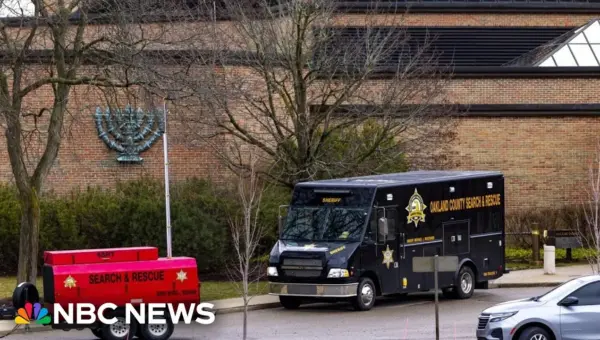
FBI: Michigan Synagogue Truck Attack Was Hezbollah-Inspired Terrorism
The FBI has classified the March truck ramming attack on a Michigan synagogue as a Hezbollah-inspired act of terrorism. The attacker, who died by suicide during a shootout with security, sent disturbing messages before the assault, expressing intent to kill as many Jewish people as possible. The investigation revealed his radicalization was fueled by family losses in Lebanon and exposure to extremist media.