Russia’s Manpower Crisis Deepens
Russia faces a critical military manpower crisis, with monthly losses exceeding recruitment figures. This deficit is forcing a shift in recruitment demographics, potentially destabilizing major cities and the regime itself. Deepening economic strain and ethnic tensions further complicate Moscow's ability to sustain the war effort.

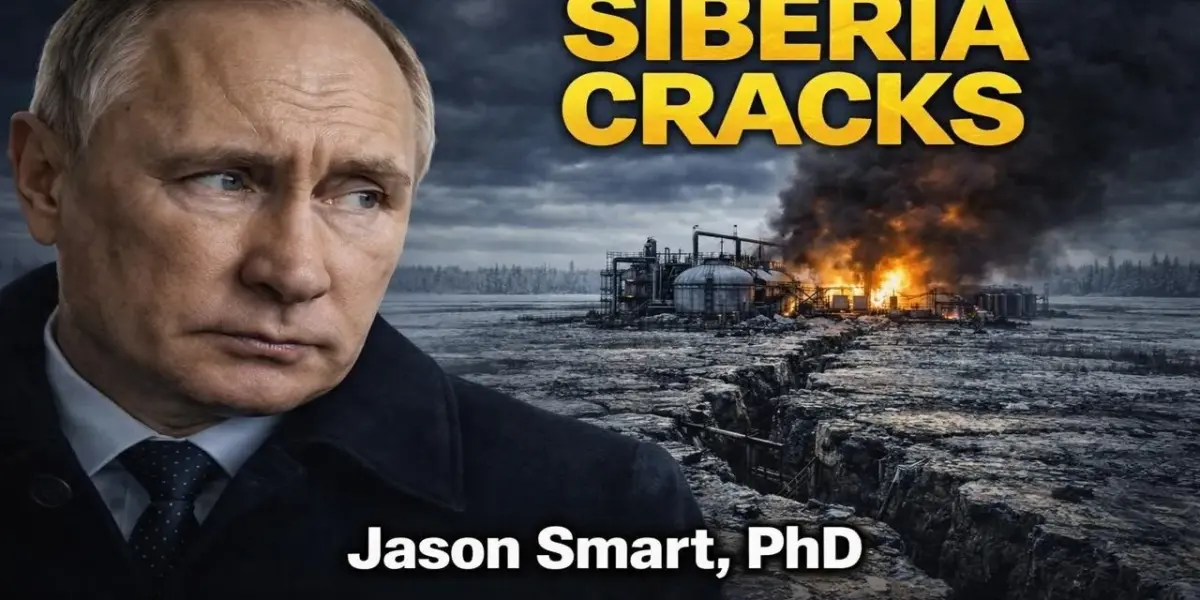
Russia Faces Critical Manpower Shortage Amidst War Losses
Russia is experiencing a severe shortage of military personnel, a problem that is increasingly impacting its ability to sustain its war effort and maintain domestic stability. Despite official claims of a large pool of men available for service, battlefield losses are outstripping recruitment numbers, creating a significant deficit each month.
The Kremlin reports having 43 million men available for military service. However, the reality on the ground suggests a different picture. Russia recruits approximately 30,000 men monthly. Tragically, military losses are estimated to be around 39,000 per month. This leaves the armed forces with a deficit of roughly 9,000 men every single month.
Shifting Recruitment Demographics Cause Concern
Initially, the Russian government could mask these shortages by drawing recruits from poorer regions, minority territories, and remote communities. These areas often supplied the bulk of new soldiers. However, it appears these sources are now significantly depleted. This demographic shift is now forcing the government to consider drawing from larger cities like Moscow and St. Petersburg.
This prospect is causing growing concern among the populations of these major urban centers. For President Vladimir Putin, it presents a dangerous gamble. Mobilizing men from comfortable city life, far from the conflict, forces them to confront the realities of a war they may not fully support. Such a move risks alienating key segments of the population and potentially undermining the stability of his regime.
Erosion of Obedience and Information Control
Experts note that Russia faces not only a manpower shortage but also a decline in the unquestioning obedience seen during the Soviet era. Decades of increased freedoms and access to global information have made the Russian populace more informed and less compliant. The government’s attempts to control information by restricting internet access and platforms like Telegram are seen as a sign of this growing unease.
Historically, such information control might have been effective. Today, however, it is increasingly difficult to prevent citizens from learning about the true costs of the war. This lack of transparency fuels public anxiety and raises questions about the necessity and direction of the conflict.
Disproportionate Casualties and Ethnic Tensions
Analysis of casualty figures reveals a stark disparity among different regions and ethnic groups within Russia. For instance, men from the Tuva region, an area with a history of resistance to Russian control, are reportedly dying at a rate 17 times higher than those from Moscow. Similarly, recruits from the Buryatia region, located thousands of miles from the capital, are significantly more likely to perish in the conflict than those from Chechnya.
The reasons behind these differing casualty rates are complex and may be linked to deeper ethnic tensions across Russia. Historically restive regions, such as the North Caucasus, present ongoing challenges for Moscow’s control. The situation in Chechnya, for example, is complicated by potential leadership changes, which could further destabilize the region and require Russian resources to manage.
Economic Strain and Resource Allocation
The war is placing an immense strain on Russia’s economy. The country is reportedly running a significant monthly deficit, estimated at $21 billion. Efforts to raise funds from wealthy oligarchs have yielded only a fraction of the needed amount. Furthermore, ongoing Ukrainian attacks on Russian oil infrastructure are expected to worsen the financial situation.
This economic pressure affects the regions directly. Areas like Chechnya, which rely heavily on federal funding for over 90% of their budgets, are particularly vulnerable. If Moscow cannot provide financial support, it risks losing the allegiance of these regions, further complicating Putin’s efforts to maintain control both domestically and abroad.
The National Guard’s Role and Historical Parallels
In response to internal security concerns, Russia has expanded its National Guard, an internal security force. However, reports of corruption within the Guard raise questions about its loyalty and effectiveness. If soldiers and officers are not paid, their allegiance could waver, mirroring historical instances where unpaid troops became disloyal, such as during World War I.
The current Russian military deployment in Ukraine involves approximately 650,000 soldiers. The National Guard numbers up to 400,000 personnel. The potential for widespread disaffection among these forces, particularly if financial incentives diminish, poses a significant risk to the regime’s stability.
Strategic Implications and Future Outlook
The confluence of manpower shortages, economic strain, and rising internal dissent places President Putin in an increasingly precarious position. The decision to continue the war, while perhaps seen as a show of strength, risks depleting military resources and alienating the domestic population. Conversely, scaling back the war could be perceived as weakness by both internal and external actors.
The current situation suggests that Russia is struggling to maintain its forces on the front lines while simultaneously ensuring stability at home. The failure of recent offensives and the reliance on existing, potentially insufficient, manpower indicate a strategic challenge. The ability of Ukraine to conduct operations within Russia further complicates Moscow’s defensive posture.
Ultimately, President Putin faces an existential crisis. His options appear limited, with each path presenting significant risks to his regime’s survival. The current trajectory suggests a weakening of Russia’s internal cohesion and military capacity, potentially leading to unforeseen consequences.
Source: Putin Orders 43 Million Men: Kremlin Cracks (YouTube)

Related Articles
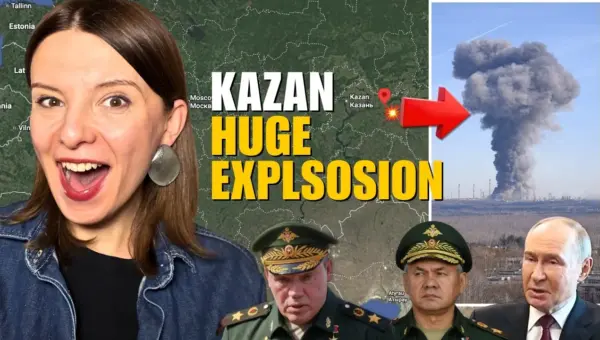
Ukraine Strikes Russian Oil Hubs, Sparking Regional Unrest
Ukraine has launched significant drone attacks on Russian oil refineries and a chemical plant in Tatarstan and Bashkortostan. These strikes target Russia's war economy and highlight growing discontent in rebellious regions. The attacks also come as Russia's key Ust-Luga oil export terminal remains crippled.


War Analyst Unveils Studio, Focuses on Ukraine
A war analyst has revealed his content creation studio, showcasing the setup behind his Ukraine-focused analyses. He discussed his equipment, personal memorabilia, and a new membership program aimed at supporting Ukraine and diversifying revenue.
Ukraine’s New Drone Strikes Deep: A Game Changer?
Ukraine's new Blisskovka "Lightning" drone, a modified Russian design, offers extended range and heavy payloads at a lower cost. This innovation allows for deep strikes on enemy supply lines and fortifications, marking a significant development in drone warfare.