NASA Prepares for Moon Mission Launch Amidst Weather Watch
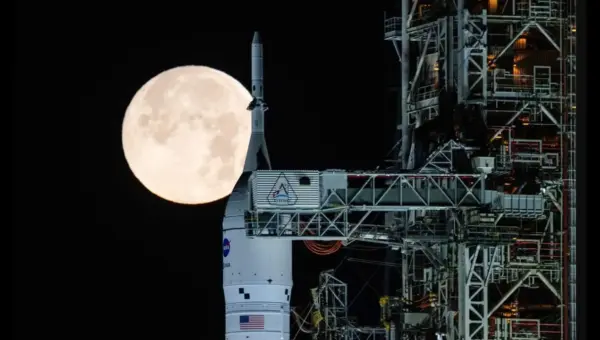
NASA is nearing a critical launch window for its upcoming moon mission, with teams working through final preparations and safety checks. Meteorologists are closely monitoring weather conditions, which currently show an 80% chance of a 'go' for liftoff, though isolated showers remain a possibility. The mission marks a significant step in humanity's return to lunar exploration.

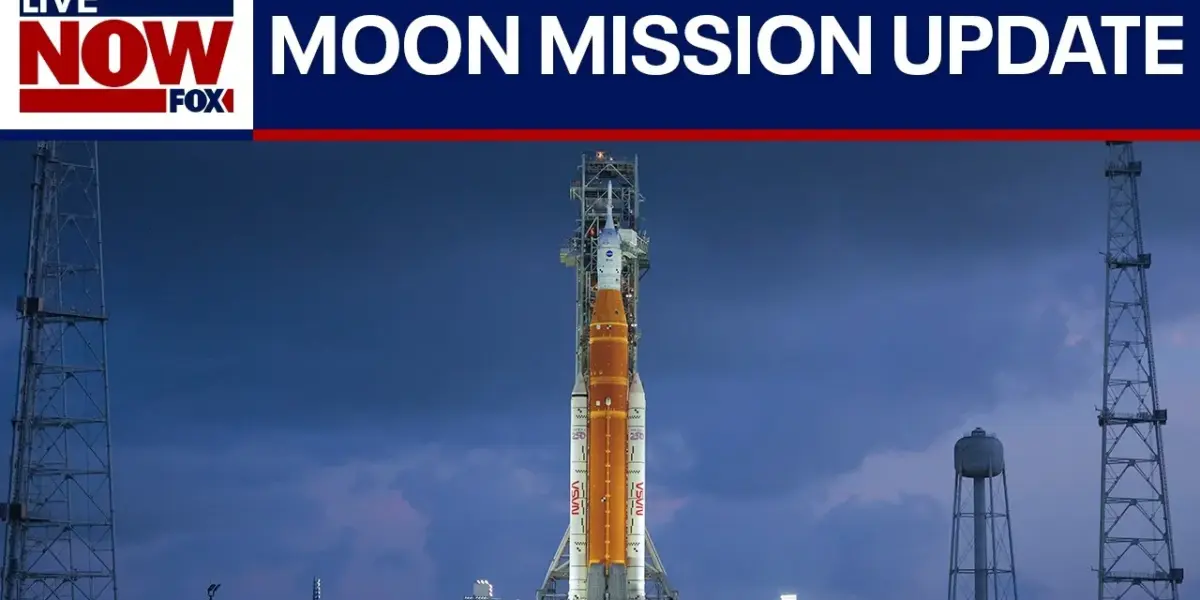
NASA Gears Up for Historic Moon Mission Launch
The anticipation is palpable as NASA teams finalize preparations for a monumental moon mission launch. With the spacecraft fully powered and systems undergoing rigorous checks, the agency is on the cusp of embarking on a new chapter in lunar exploration. The mission, a significant step towards returning humans to the moon since the 1970s, has generated widespread excitement among the personnel involved, from engineers to the flight crew.
Intensive Preparations Underway
Teams have been working tirelessly, completing crucial tasks such as filling sound suppression systems with water and preparing liquid oxygen and hydrogen systems for propellant loading. The Orion spacecraft and its core stage have been powered up, with communication and radio frequency checks successfully conducted. While the interim cryogenic propulsion stage (ICPS) was temporarily powered down, it is set to be reactivated later. Ground systems are being configured, and walkdowns are in progress to ensure all equipment is ready for launch. Preparations also include the installation of critical components like the Avatar and bags, ensuring all systems are optimal for the mission ahead.
Countdown Procedures and Safety Measures
The countdown sequence involves meticulous procedures, including personnel clearing the launch pad early in the morning and transitioning the vehicle’s purging system from air to nitrogen. This changeover is a vital safety measure, creating an inert environment for handling hazardous propellants like hydrogen. The launch director will conduct a final weather briefing before the complex process of propellant loading begins, a procedure that takes over five and a half hours. This timeline has been intentionally padded to allow for minor adjustments and to ensure all systems are perfect before the crew boards.
Flight Crew Readiness and Final Checks
The flight crew is scheduled to awaken later in the morning, followed by breakfast and the donning of their specialized suits. They will then proceed to the launch pad to board the Orion spacecraft. A closeout crew will precede them, preparing the capsule for their arrival. Once the crew is securely strapped into their seats, final checks of the crew module will be performed, including hatch closures and pressurization tests. The closeout crew is expected to clear the ‘white room’ approximately an hour before the planned launch time, allowing the launch team to take over for the final remote configurations.
Weather Outlook: A Critical Factor
Weather remains a key focus as the launch date approaches. While the current forecast for the primary launch window appears favorable, with a 20% chance of a no-go condition, meteorologists are closely monitoring potential shower activity. The prevailing onshore flow from the east-southeast is expected to continue, bringing a possibility of isolated showers, particularly in the late afternoon. These showers are generally not expected to be severe, and the risk of lightning is low. However, any developing showers could necessitate holding the countdown.
Monitoring Solar Activity and Backup Opportunities
NASA is also keeping a watchful eye on solar activity. A recent solar flare has been detected, but initial assessments indicate minimal impact on the mission, as the energy is not directly Earth-facing. Should further solar events occur, they will be continuously monitored. The agency has established clear launch commit criteria for solar weather, with evaluations continuing up to minutes before liftoff. Should the primary launch window be missed due to weather or technical issues, backup opportunities exist on subsequent days. However, the forecast suggests a gradual increase in unfavorable weather conditions later in the week, making the initial window the most optimal.
Addressing Technical Considerations and Workforce Morale
Discussions during the briefing also touched upon technical aspects, including collision avoidance cutouts for space debris and the process for recycling a countdown. The team emphasized their readiness to manage the increasing amount of orbital debris. Regarding tanking operations, particular attention will be paid to the hydrogen system, where previous issues were encountered. The team expressed confidence in the implemented fixes and exhaustive testing. The morale of the workforce involved in the Artemis program is exceptionally high. Despite the demanding schedule and challenges overcome, there is a shared sense of pride and excitement for the mission’s significance and the collective effort to return humans to the moon.
Looking Ahead: The Next Steps
With all systems green and the weather forecast cautiously optimistic, NASA is poised for what promises to be a historic launch. The coming hours will involve the final critical steps of the countdown, culminating in liftoff. All eyes will be on the skies and the spacecraft as the Artemis program embarks on its ambitious journey back to the lunar surface, marking a new era of space exploration.
Source: Moon mission launch: NASA provides update on weather (YouTube)

Related Articles
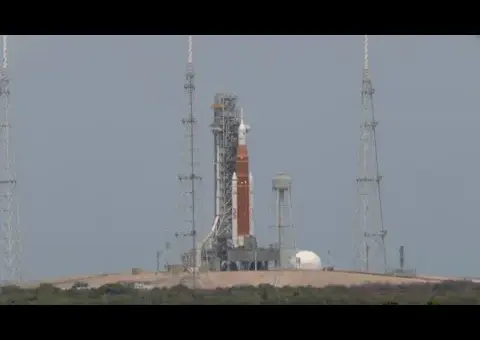
NASA Rockets Toward Moon, Reigniting Space Race
NASA's Artemis II mission is set to launch, sending a four-person crew on a 10-day journey around the Moon. This historic flight, over 50 years since the last lunar landing, aims to gather research for future exploration and potential resource discovery. The mission represents a significant step in humanity's return to deep space and could pave the way for a permanent lunar presence.


Gas Prices Surge Past $4 Amid Iran Tensions
Gas prices have surged past the $4 per gallon mark nationally, reaching their highest level in years amid escalating tensions and attacks in the Middle East. The conflict has also impacted oil prices, leading to higher transportation costs and affecting the stock market. Meanwhile, travelers are experiencing shorter lines at airports as TSA workers receive overdue paychecks, and NASA prepares for its historic Artemis II Moon mission.
NASA Aims for Moon Return: A New Space Race Begins
NASA is preparing for a historic return to the Moon with the Artemis II mission, set to launch soon. This crewed mission will orbit the Moon, marking humanity's first lunar journey in 53 years and paving the way for future bases and deep space exploration.