Trump Tells Allies: Secure Hormuz Strait Alone!
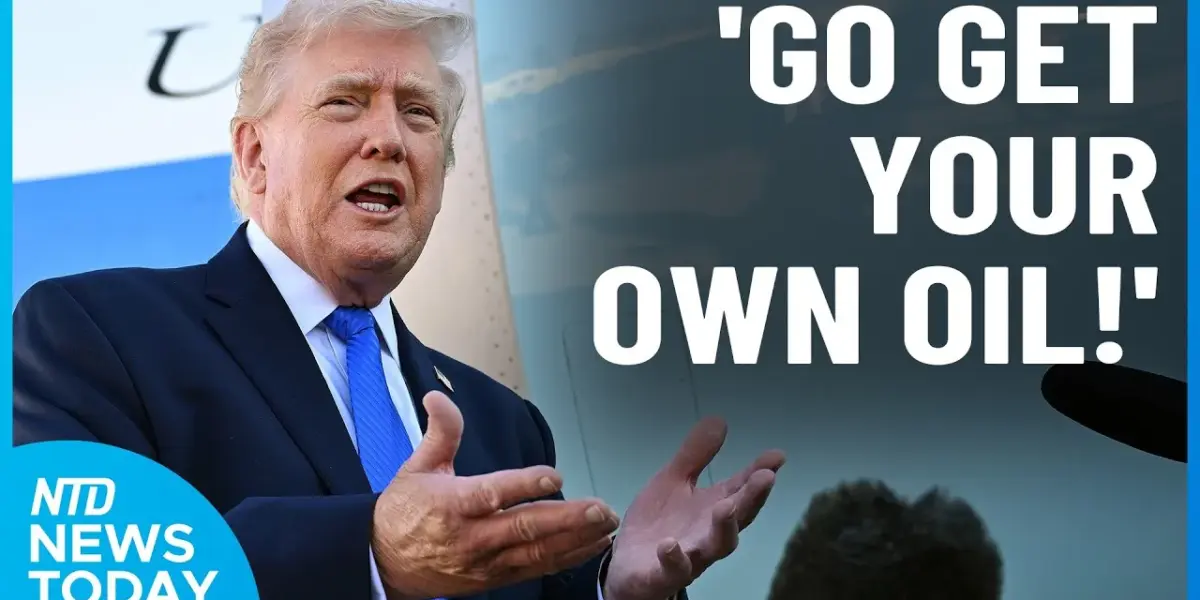
President Trump has told U.S. allies to secure the vital Strait of Hormuz themselves, signaling a potential reduction in American security guarantees. This directive urges countries facing fuel shortages to take independent action, marking a significant shift in foreign policy. Defense officials also warned of decisive days ahead in regional conflicts.

Trump Tells Allies: Secure Hormuz Strait Alone!
President Donald Trump recently sent a strong message to U.S. allies. He urged them to take charge of their own energy security. The focus is on the vital Strait of Hormuz, a key waterway for global oil and gas. Trump stated that countries struggling with fuel shortages due to problems in the Strait should secure it themselves. He specifically mentioned the United Kingdom. His message was clear: the U.S. will no longer be there to help.
This statement comes amid growing concerns about disruptions in the Strait of Hormuz. This narrow waterway between Iran and Oman is incredibly important. About 20% of the world’s oil passes through it every day. Any interruption there can cause big problems for global energy supplies and prices. Trump’s call for allies to act independently marks a significant shift in U.S. foreign policy thinking.
Background: The Strait of Hormuz and Global Energy
The Strait of Hormuz has long been a critical chokepoint for international trade. For decades, the U.S. has played a major role in ensuring safe passage through these waters. This security presence helps keep oil flowing and prevents major price spikes. Many countries, especially in Asia and Europe, rely heavily on this flow of energy. They depend on stable access to oil and gas from the Middle East.
Past tensions in the region have often led to concerns about potential blockades or attacks on shipping. Iran, which borders the Strait, has at times threatened to close it. This has historically prompted naval patrols and increased security measures by the U.S. and its allies. The U.S. Navy’s presence has been a key factor in deterring such actions and reassuring global markets.
Shifting U.S. Strategy
Trump’s recent remarks suggest a move away from this traditional role. By telling allies to “go to the Strait, and just TAKE IT,” he is signaling a desire for them to bear more responsibility. This aligns with a broader “America First” approach. It prioritizes U.S. interests and reduces its commitments abroad. Allies who have benefited from U.S. security guarantees may now have to step up their own defense efforts.
This approach could put pressure on countries like the UK, Japan, and South Korea. These nations depend on the Strait for their energy needs. They may need to invest more in their navies and security capabilities. Alternatively, they might face greater risks to their supply chains. The U.S. is essentially saying it’s time for a change in how global security is managed.
Decisive Days Ahead?
Adding to the tension, U.S. Defense Secretary Pete Hegseth reportedly stated that the coming days would be decisive in the conflict with Iran. He also warned Tehran that the conflict would escalate if a deal wasn’t reached. This suggests a potential for increased military activity in the region. It also hints at diplomatic efforts possibly reaching a critical point.
The combination of Trump’s call for allied self-reliance and warnings of intensified conflict creates a complex picture. It raises questions about the future stability of the region and global energy markets. The situation demands careful observation as these developments unfold.
Why This Matters
President Trump’s directive to allies has major implications. It could force a significant reassessment of defense spending and alliances. Countries that have relied on the U.S. for maritime security may need to build their own capabilities. This could lead to a more fragmented security environment in the Persian Gulf. It also raises questions about the effectiveness of international cooperation in a crisis.
For consumers, disruptions in the Strait of Hormuz can mean higher energy prices. If allies are unable to secure the Strait on their own, oil and gas supplies could be threatened. This would impact everything from gasoline at the pump to the cost of goods. The global economy is closely tied to the stable flow of energy resources.
Trends and Future Outlook
This shift in U.S. policy reflects a broader trend of questioning long-standing international commitments. It suggests a move towards more transactional relationships. Allies might need to contribute more resources or take on greater risks to receive security support. This could reshape global alliances and defense partnerships.
The future outlook for the Strait of Hormuz’s security is uncertain. If allies step up, a new era of shared responsibility might emerge. However, if they are unable or unwilling to fill the gap left by the U.S., the region could become more unstable. This could lead to increased geopolitical risks and economic volatility.
The coming weeks and months will be crucial in determining how this new approach plays out. The response from allies, Iran’s actions, and the broader geopolitical climate will all shape the path forward. It’s a moment that calls for clear communication and strategic planning from all parties involved.
Source: Trump Asks Allies to Secure Hormuz Strait; Hegseth: Coming Days ‘Decisive’ | NTD News Today March 31 (YouTube)

Related Articles
Trump Attends ‘Chicago’ Opening: A Night of Politics and Performance
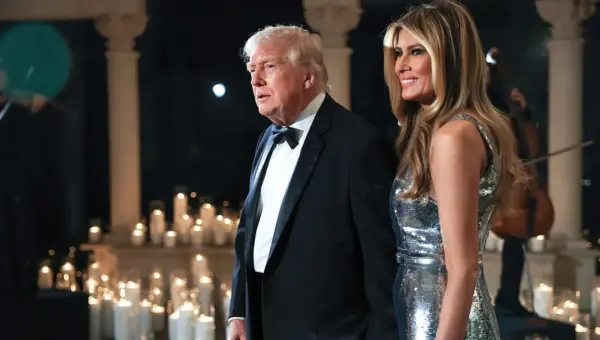
President Donald Trump and First Lady Melania Trump attended the opening night of the musical "Chicago" at the Trump International Hotel and Tower. This cultural outing occurred against a backdrop of ongoing political developments and public scrutiny.
Midterms to Test Trump’s Grip on GOP, Voters Show Discontent
The upcoming midterm elections are expected to be a significant test of former President Donald Trump's influence within the Republican party and the broader electorate. With low approval ratings and voter discontent over key policies, the elections could signal a shift in political power. Experts believe the midterms will be more than just a check on the current administration, reflecting deep dissatisfaction that could impact both the House and the Senate.
Judge Halts Trump’s Ballroom: Power vs. Public Good
A federal judge has halted Donald Trump's $400 million White House ballroom project, ruling the president is not the owner of the property. The decision contrasts sharply with the economic struggles of average Americans, drawing criticism about misplaced priorities and the limits of executive power.