US Adjusts War Aims, Seeks Iran Strait Deal Amid Shifting Strategy
US officials are reportedly shifting focus in the Iran conflict from regime change to reopening the Strait of Hormuz, driven by economic concerns like inflation. Analysts question the changing objectives, noting the administration's skill in framing outcomes as victories. Diplomatic talks are ongoing, suggesting a potential deal that could involve concessions in exchange for the strait's reopening.

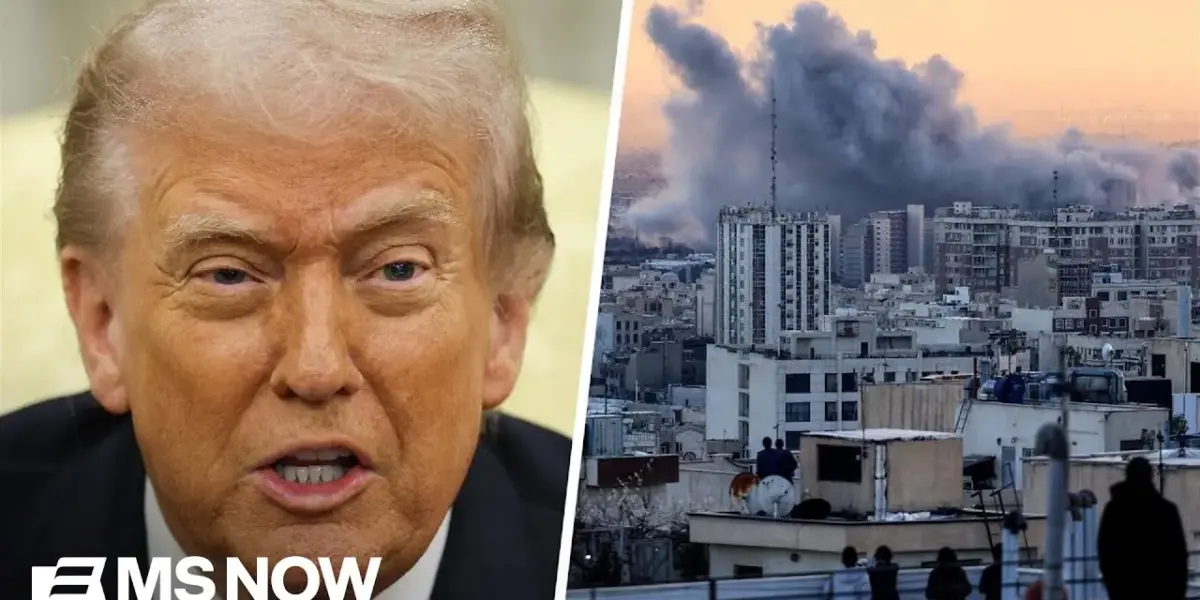
US Signals Shift in Iran War Objectives
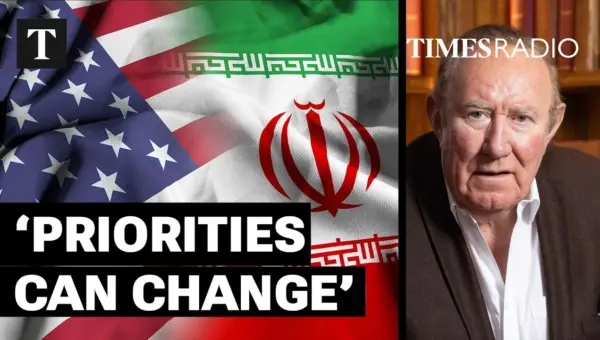
The United States administration is reportedly adjusting its objectives in the ongoing conflict with Iran, moving away from initial goals like regime change and Iran’s nuclear capacity. Instead, the focus appears to be shifting towards securing the Strait of Hormuz and reducing global inflation, a move analysts suggest is a response to the war’s economic impact on Americans.
Analysts Question Shifting Goalposts
Former Undersecretary of State for Public Diplomacy Richard Stengel noted that the administration’s statements have been contradictory and that the bar for success is being lowered daily. “You can always declare victory when you haven’t outlined what your objective is,” Stengel remarked, suggesting that a negotiated settlement to reopen the Strait of Hormuz, even if caused by US actions, could be framed as a success. This strategy, he believes, might be the least damaging outcome given the current economic pressures.
Retired Army Colonel Jack Jacobs, a Medal of Honor recipient, agreed that a leader can declare victory regardless of the situation on the ground. He pointed out that the administration is skilled at presenting a narrative that resonates with the public. “We won. Right. Mission accomplished,” Jacobs stated, echoing past pronouncements and highlighting the administration’s ability to shape perception.
The Strait of Hormuz: A Critical Chokepoint
The Strait of Hormuz, a narrow waterway through which about 20% of the world’s oil passes, has become a central point of contention. The transcript highlights the irony that the US may need to negotiate the reopening of a strait it helped to close. “When we launched an attack on Iran, they might close the Strait of Hormuz… So, now you could declare victory by simply reopening the Strait of Hormuz that we caused to be closed,” Stengel explained.
Secretary of State Marco Rubio previously stated that any nation claiming sovereignty over the Strait of Hormuz would face international opposition. “It’s an illegal condition that they’re demanding. That’s just not going to happen,” Rubio asserted, emphasizing the global implications of controlling such a vital international waterway.
Negotiations and the Prospect of a Deal
Despite the conflict, diplomatic efforts are ongoing. Defense Secretary Hecksteth mentioned that negotiations with Iran are active and gaining strength. “War is end at the negotiating table, not on the battlefield,” Stengel observed, suggesting that a diplomatic solution is the most likely path forward.
Analysts anticipate that the US may strike a deal with Iran to reopen the Strait of Hormuz. This agreement could involve concessions from the US, potentially allowing Iran to retain some fissile material. The administration seems to be counting on the public’s short memory and the desire for lower oil prices, as $3 oil is seen as more important than the initial war aims.
Military Operations and Propaganda War
On the military front, CENTCOM’s latest intelligence suggests that the Iranian military is experiencing degraded morale and leadership frustration. Chairman Jarmin Cain reported that US and Israeli air superiority is strong, with B-52s conducting successful missions. Secretary Hecksteth noted that 200 precision strikes were carried out with real-time targeting adjustments.
Hecksteth also commented on the regime in Iran, suggesting that a new regime, should it emerge, should learn from the past. However, he confirmed that current talks with the existing regime are very real and ongoing.
The conflict has also spilled into the digital realm, with both sides engaging in a propaganda war. Iran has been using social media to create memes, some depicting their leaders as characters like Teletubbies or Lego figures. This online battle, linked to an NPR article titled “Trolling Trump Has Become a New Iranian Regime Pastime,” highlights the evolving nature of modern warfare.
The Role of Social Media in Warfare
Stengel noted that propaganda has always been a part of warfare, but social media has amplified its reach. “We dropped leaflets over Nazi Germany. Now people can just look on their phone and see this kind of propaganda,” he said, contrasting historical methods with contemporary digital dissemination. This new technological aspect of information warfare allows for rapid and widespread communication of messages, further complicating the conflict’s narrative.
Looking Ahead
The immediate future will likely focus on the progress of negotiations concerning the Strait of Hormuz and the potential for a diplomatic resolution. The administration’s ability to frame any outcome as a victory, coupled with the public’s reaction to economic conditions, will be key factors in shaping the war’s perceived success. The ongoing propaganda war, amplified by social media, will also continue to play a role in shaping public opinion on both sides.
Source: 'You can always declare victory when you haven't outlined what your objective is': Stengel (YouTube)

Related Articles

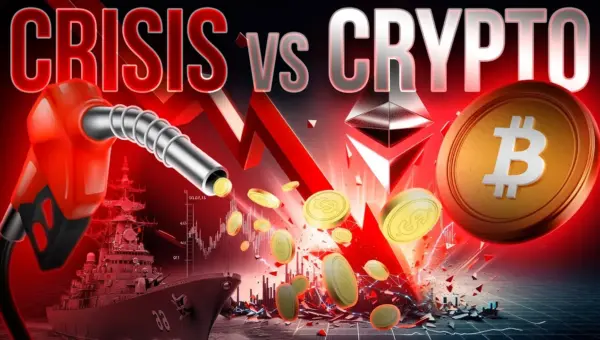
Crypto Rallies as War Fears Ease, Gas Prices Spike
Cryptocurrencies like Bitcoin and Ethereum saw gains as hopes rose for an end to the current Middle East conflict. However, rising gas prices to $4 per gallon and broader economic concerns continue to pressure markets. Investors are watching geopolitical shifts and inflation closely.
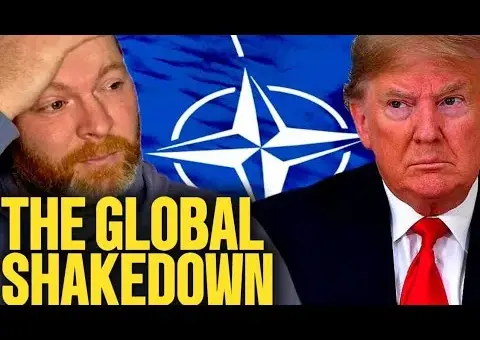
US Allies Turn Away as America’s Global Role Falters
A perceived shift in U.S. foreign policy has unsettled allies, particularly in Europe, leading them to question American reliability. Aggressive actions in the Middle East and a transactional approach to energy markets are causing concern, pushing allies to seek alternative solutions and re-evaluate security commitments.
Trump’s Shifting War Aims Spark Allied Confusion
Conflicting messages from the Trump administration regarding its war aims in Iran have led to confusion among allies, according to a discussion featuring former campaign manager Rick Gates. Gates defended the evolving nature of objectives, but inconsistencies in stated goals, including the handling of Iran's nuclear program and the Strait of Hormuz, have raised concerns about the U.S. strategy.