Iran Warns UK: Military Bases Could Be Legitimate Targets
Iran's ambassador to the UK has warned that British military bases could become legitimate targets if British assets are used against Iran. The comments come amid rising tensions, with Iran citing aggression from the US and Israel as justification for its defensive stance and potential retaliation. The ambassador also discussed issues of trust, the potential for diplomatic solutions, and Iran's nuclear program.

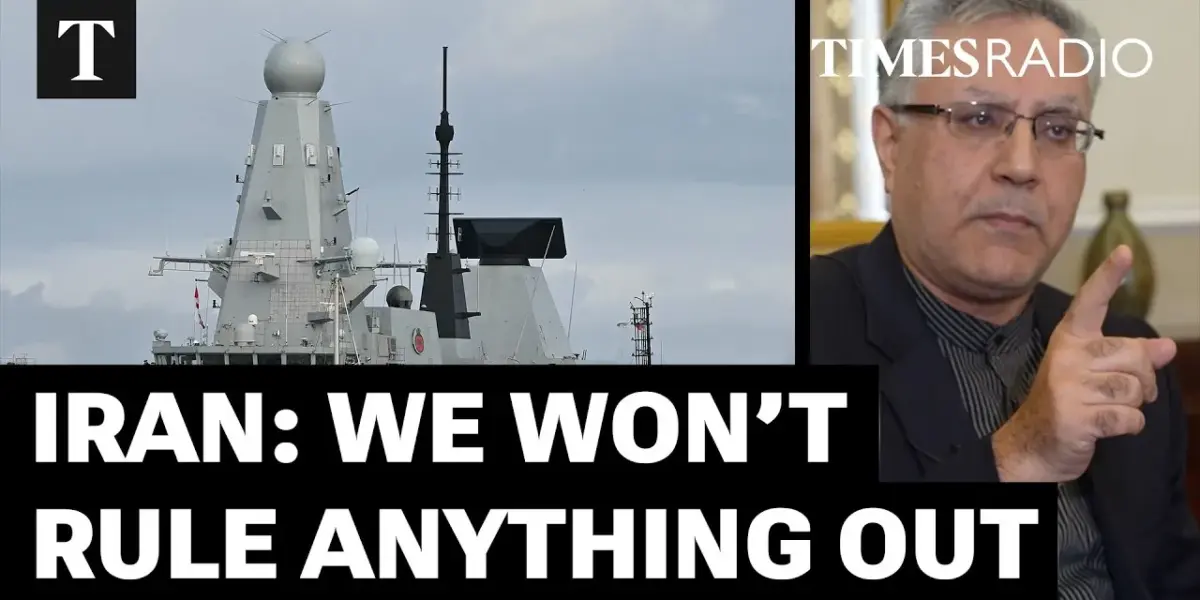
Iran Threatens UK Military Bases Amid Escalating Tensions
Iran’s ambassador to the United Kingdom has issued a stark warning, stating that British military bases could become legitimate targets if British assets are used in hostile actions against Iran. The ambassador’s comments, made during a recent interview, signal a significant escalation in rhetoric as tensions rise between the two nations. The potential for direct conflict looms, with Iran asserting its right to self-defense in the face of what it describes as aggression.
Iran’s Justification for Potential Retaliation
The ambassador explained that Iran views its actions as a necessary defense against attacks by “two nuclear powers,” which he described as a criminal act. He stated that Iran is defending its territorial integrity, national sovereignty, and dignity. According to the ambassador, Iran was engaged in diplomatic negotiations regarding its nuclear program, with mediation from Oman, when it was attacked by the American and Israeli regimes. This, he argued, was a betrayal that has eroded trust.
“We were in the middle of the negotiations to find one diplomatic solution… But unfortunately, the American side and Israeli regime attacked us. Now, this is our inherent right to defend ourselves.”
Trust and Diplomatic Solutions
The core issue, according to the ambassador, is a lack of trust following what Iran perceives as American betrayals. He emphasized Iran’s desire for a peaceful settlement and diplomatic solutions, noting that they were actively engaged in dialogue before the attacks. However, he stated that two instances of alleged betrayal by the American side have made it difficult for Iran to engage in further talks without strong guarantees against future aggression.
“We do not have any confidence, we do not have any mutual trust to… have a dialogue with them again after going to have a dialogue with them and six months later that they attacked us,” the ambassador stated.
He suggested that for any peaceful resolution to be possible, the United States must provide assurances that force and aggression against the Iranian people will not be repeated. This includes a change in rhetoric, moving from insulting language to one based on respect and dignity.
Concerns Over Infrastructure Attacks
The interview also addressed concerns about potential attacks on vital infrastructure. The ambassador stated that Iran is determined to defend itself and is not bluffing. He warned that if American military forces attack Iranian civilian infrastructure and people, Iran will defend itself appropriately.
When questioned about specific responses, such as attacking desalination plants or civilian residences, the ambassador deflected, asking why the American side attacks Iranian hospitals and schools. He reiterated that the root cause of the crisis is the aggression by the American and Israeli regimes against Iran’s sovereignty and people.
The Role of Nuclear Weapons and the NPT
The discussion touched upon Iran’s nuclear program and the country’s stance as a member of the Non-Proliferation Treaty (NPT). The ambassador reaffirmed Iran’s commitment to the NPT and stated that the country has no desire to produce nuclear bombs, citing a religious decree against such weapons.
However, he questioned the advantage of Iran’s NPT membership when faced with attacks from nuclear-armed nations, particularly Israel, which he noted is not a party to the treaty. He asserted that Iran’s nuclear program has been monitored by the International Atomic Energy Agency (IAEA) and has shown no diversion towards nuclear weapons.
Regarding the enrichment of uranium to 60%, the ambassador suggested it is for medical purposes, such as cancer treatment, but deferred detailed questions to nuclear scientists, emphasizing that all processes are monitored by the IAEA.
Strait of Hormuz and Future Negotiations
The ambassador addressed the situation concerning the Strait of Hormuz, stating that before the current conflict, passage was unimpeded. He explained that Iran now faces security concerns because the waterway is being used to assist its enemies in hostile activities against Iran.
He asserted that as a coastal state, Iran has no problem guaranteeing safe passage but cannot allow its enemies to use the waterway for aggressive activities against its people while it is under military attack. He concluded that once hostilities cease, Iran would welcome ensuring safe and secure passage for all vessels, upholding the principle of freedom of navigation.
Influence on Regional Groups
When asked about Iran’s influence over groups like Hezbollah and the Houthis, the ambassador stated that these groups have their own rights to defend themselves and make decisions according to their own interests and discretions, describing them as independent.
Israel’s Influence on US Policy
The ambassador suggested that the Israeli lobby in the American administration is powerful and influences decisions. He questioned the necessity and aims of the war against Iran, implying that US policy might be serving Israeli interests rather than those of the American people.
Miscalculations and Iranian Resilience
He criticized Western communities and the US president for a lack of knowledge about Iranian history and people, leading to miscalculations. He cited the belief that the Iranian system would collapse within days as an example of such a mistake. The ambassador stressed the strong solidarity and unity among the Iranian people, who are determined to defend their territory and government.
Addressing Reports of Internal Crackdowns
Responding to reports of thousands of Iranians killed by security forces during demonstrations, the ambassador dismissed them as misinformation and fake news. He stated that Iran’s medical forensic authorities have documented victims but did not provide specific numbers, challenging the interviewer to provide credible sources for the claims. He acknowledged sad events but attributed them to assessments and considerations that he did not elaborate on.
Source: Iran’s Ambassador To UK: We May Target British Military Bases (YouTube)

Related Articles
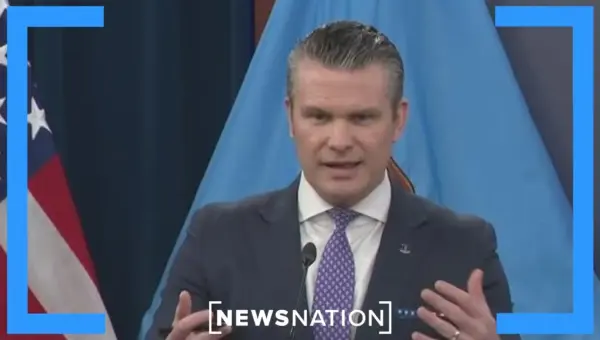
US Mulls Iran Ground War Amid Shifting Alliances
The U.S. military is preparing for potential ground operations in Iran, even as President Trump signals a willingness to end the conflict without fully securing the Strait of Hormuz. U.S. forces are conducting extensive strikes, while key European allies deny access to their airspace, creating significant diplomatic friction.
Trump’s Iran Strategy Sparks Fears of High Oil Prices
A report suggesting President Trump might end conflict without reopening the Strait of Hormuz is causing alarm. Experts warn this could lead to sustained high oil prices and disrupt global trade for essential goods like fertilizer and helium.


US Bombers Rule Iran’s Skies as Strikes Intensify
U.S. B-52 bombers are conducting overland operations deep within Iran, indicating a severe degradation of Iranian air defenses. Alongside intensified strikes on Hezbollah and IRGC targets, the U.S. is deploying advanced naval assets and leaving open the possibility of ground operations. The conflict's escalation raises concerns about wider regional instability.