Junior Doctors’ Pay Rise Falls Short Amid NHS Doctor Shortage
A recent pay rise for junior doctors is unlikely to resolve the NHS's critical doctor shortage, according to GP Dr. Sarah Jarvis. She argues the main problem is a lack of training places, creating a "log jam" for new doctors. The discussion also highlighted the growing need for GPs to screen patients for gambling addiction.

NHS Faces Doctor Shortage Despite Junior Doctor Pay Increase
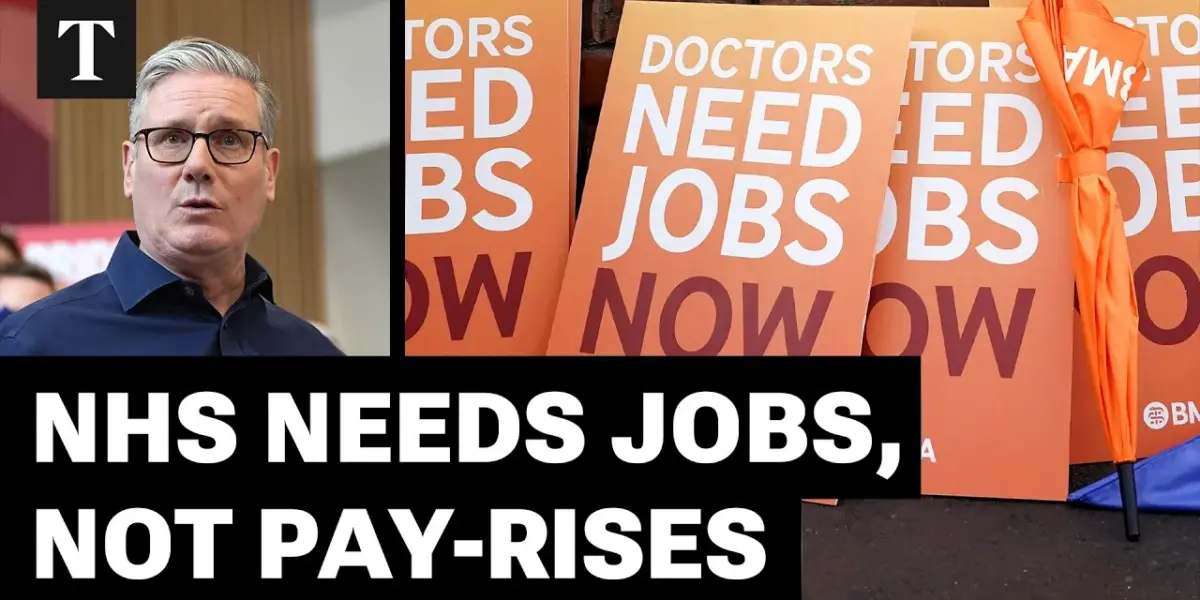
The National Health Service (NHS) is grappling with a significant shortage of doctors, a problem that a recent pay rise for junior doctors is unlikely to solve. Dr. Sarah Jarvis, a General Practitioner (GP) and medical broadcaster, argues that the core issue lies not with pay, but with a critical lack of available training positions for aspiring doctors. This creates a “horrible log jam,” where tens of thousands of applicants compete for a limited number of jobs.
The “Log Jam” of Doctor Training
Dr. Jarvis highlights a stark reality: approximately 30,000 people apply for around 10,000 doctor positions. While some applicants are international medical graduates, the majority are UK-trained. This contrasts sharply with Dr. Jarvis’s own experience as a junior doctor, when securing a training post was a given. Today, many newly qualified doctors face uncertainty about their future within the NHS.
Low Bed and Doctor Numbers Compound the Problem
The situation is made worse by the fact that the UK has one of the lowest numbers of hospital beds and doctors per capita among developed countries in the Organisation for Economic Co-operation and Development (OECD). Despite this, the system struggles to create enough pathways for doctors to enter and progress within the NHS.
Pay Rise vs. Deeper Issues
While junior doctors have recently received a substantial pay increase of 22% over two years, Dr. Jarvis believes this does not address the fundamental problem of insufficient training places. She acknowledges that junior doctors’ pay had been eroded by about a third over the previous 20 years, justifying a pay adjustment. However, she points out that many other professionals have also seen significant pay rises. Furthermore, junior doctors now graduate with substantial debt, a burden Dr. Jarvis did not face early in her career.
“The big problem from my perspective is the lack of doctors and that horrible sorry the lack of places for doctors and that horrible horrible log jam that occurs. You know, 30,000 applicants from around 10,000 jobs.”
– Dr. Sarah Jarvis
The Cost of Living Challenge
Dr. Jarvis also touched upon the rising cost of living, noting that the ratio of a junior doctor’s salary to the cost of a starter home has significantly increased since she began her career. She calculated that a junior doctor’s salary was once three times the cost of a one-bedroom flat in her area, a figure that has now risen to about 11 times the salary. While this is a challenge many face, it adds to the difficulties for those entering the medical profession.
Unusual Paternity Case Briefly Discussed
In a brief aside, the discussion touched upon an unusual court case involving the paternity of a child born to a mother who had relations with identical twin brothers within a four-day period. Dr. Jarvis explained that identical twins share the same DNA at conception, making it difficult to distinguish between them genetically. While some genetic variations can occur later, their fundamental genetic makeup is the same. She noted that such cases are extremely rare.
Urgent Call for Gambling Awareness in General Practice
The conversation shifted to a critical public health issue: gambling addiction. GPs are now being urged to ask patients about their gambling habits, similar to how they inquire about smoking or drinking. Dr. Jarvis emphasized the devastating mental, financial, and social harms associated with gambling, which can ruin lives and families.
The Tragic Impact of Gambling Harm
The call for awareness comes after a tragic event where an individual died from an overdose following a severe gambling binge. Studies suggest that up to a million women in the UK alone are at risk of gambling-related harm. Dr. Jarvis shared her experience of patients feeling relieved when their gambling issues are addressed by healthcare professionals, highlighting the importance of open conversation and signposting to available treatments.
Online Gambling’s Hidden Nature
The rise of online gambling has made these issues even more hidden and insidious. The case mentioned involved a man who placed 628 bets in just 72 minutes before his death. Dr. Jarvis stressed that healthcare professionals can play a vital role in identifying those at risk and guiding them toward support services.
Looking Ahead
The ongoing strikes by junior doctors and the persistent issue of training places remain a critical concern for the NHS. While the recent pay rise offers some financial relief, the fundamental challenge of creating sufficient opportunities for doctors to train and practice needs urgent and sustained attention. The growing awareness of gambling-related harm also signals a potential shift in how primary care addresses mental and social well-being.
Source: Junior Doctors Pay Rise Won’t Fix NHS | Sarah Jarvis (YouTube)

Related Articles

NHS Masters Strike Management, But Patient Care Still Suffers
The NHS has developed a strong capacity to manage strike actions, leading to surprisingly efficient operations during industrial disputes. However, this adaptation comes at a cost, with patient care still significantly disrupted and staff morale suffering under immense pressure.


Trump’s Lavish Ballroom Project Masks Deeper Issues
While the Trump administration reportedly considered healthcare cuts for military funding, President Trump focused on showcasing plans for a new White House ballroom. This disconnect raises questions about leadership priorities and the administration's engagement with pressing national issues and the needs of its citizens.


Gen Z Sounds Alarm on Sports Betting Harms
A Gen Z journalist, Eli Thompson, is sounding the alarm on the damaging effects of online sports betting. He describes how friends have lost thousands of dollars and become socially withdrawn. Thompson calls for stricter age limits and better education on gambling risks in schools.