Airspace Closures Spark Trump Fears Amidst Global Tensions
Recent airspace closures by France and Italy reportedly caused significant anxiety for former President Donald Trump. This event highlights how international conflicts can disrupt travel and create widespread unease, affecting even high-profile figures.

Airspace Closures Spark Trump Fears Amidst Global Tensions
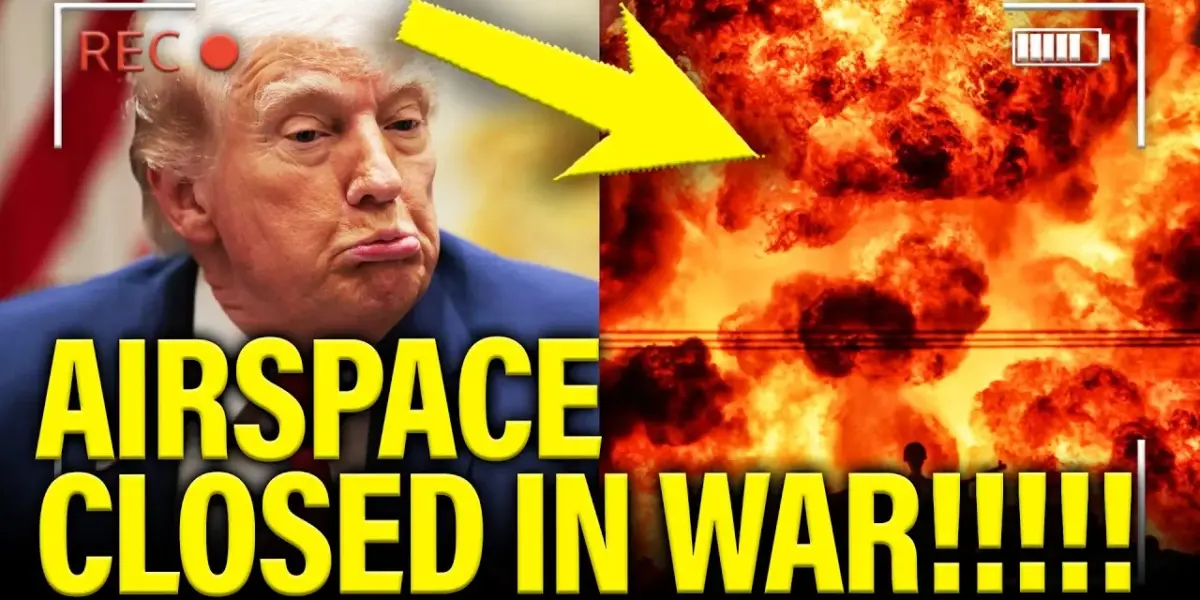
Reports suggest former President Donald Trump experienced a morning of significant anxiety following the closure of airspace by France and Italy. This move, reportedly in response to a global conflict, specifically impacted flights destined for the United States. The situation highlights how international events can quickly create ripples that affect even high-profile political figures.
The MeidasTouch network, a political commentary group, brought attention to these developments. Their host, Ben Meiselas, described Trump as “panicking all morning.” This reaction was directly linked to the airspace restrictions imposed by two key European nations. The exact nature of the “war” prompting these closures is not detailed, but the impact on air traffic was immediate and significant.
Understanding Airspace Control
Closing airspace is a serious measure taken by countries for various reasons. It can be for security, to prevent unauthorized flights, or during times of conflict. Think of it like a country drawing a line in the sky and saying, “No one flies here without permission.” This is usually done to protect national interests or ensure safety.
When countries like France and Italy, major players in European air traffic, close their airspace, it creates major disruptions. Flights have to be rerouted, which takes more time and fuel. For planes already in the air, it can mean emergency landings or significant delays. This can have a domino effect on travel and commerce across continents.
Potential Triggers for Such Actions
While the transcript does not specify the exact cause of the airspace closures, such actions often stem from heightened international tensions or direct threats. These could range from military exercises by a hostile nation to concerns about civilian aircraft being used for malicious purposes. In a globalized world, a conflict in one region can quickly draw in other countries, leading to precautionary measures like airspace shutdowns.
Historically, airspace closures have been used during major conflicts and terrorist events. For instance, following the September 11th attacks, U.S. airspace was completely shut down for days. More recently, during the conflict in Ukraine, many European nations closed their airspace to Russian aircraft, and vice versa, as a form of sanction and security measure.
The Impact on Political Figures
The report’s focus on Donald Trump’s alleged “panic” suggests a vulnerability or a specific concern related to his travel or communications. It raises questions about his access to information and his personal network during moments of international crisis. Political figures often rely on secure and timely travel for strategic reasons, and disruptions can be a source of considerable stress.
This incident, as reported, implies that the former president was directly affected by these events. Whether this was due to personal travel plans, security concerns, or other undisclosed reasons, the reporting suggests a strong emotional reaction. It underscores how geopolitical instability can create unease, even among those who have held the highest office.
Why This Matters
This event, however brief or specific, serves as a reminder of the interconnectedness of global affairs. A decision made by one or two countries regarding their skies can have far-reaching consequences, affecting international relations, trade, and even the personal lives of prominent individuals. It shows that even in an era of advanced communication, physical movement and access can be severely restricted by geopolitical events.
For the public, such incidents highlight the fragility of global systems we often take for granted. Air travel is a cornerstone of modern life, and its disruption, even temporarily, can be jarring. It also points to the constant need for vigilance and preparedness in international relations, as unforeseen crises can emerge rapidly.
Future Outlook
As global tensions continue to fluctuate, the possibility of similar airspace restrictions remains. Countries will likely continue to use such measures as tools of diplomacy, security, or protest. This means that international travelers, businesses, and political actors must remain adaptable and prepared for potential disruptions.
The focus on any individual’s reaction, like that attributed to Trump, also speaks to the ongoing scrutiny of public figures during times of crisis. How leaders, past and present, respond to global challenges often becomes a subject of intense public and media interest. This particular event, while centered on a specific report of anxiety, contributes to the broader narrative surrounding political figures and their engagement with international affairs.
Source: Trump PANICS as AIRSPACE CLOSED in WAR!!! (YouTube)

Related Articles
Global Power Shift: US Dollar Faces New Challenges
Geopolitical tensions and economic headwinds are signaling a potential end to the U.S. dollar's global dominance. A developing alternative financial system involving Iran, Russia, and China could reshape international trade and investment.
Trump Attends ‘Chicago’ Opening: A Night of Politics and Performance
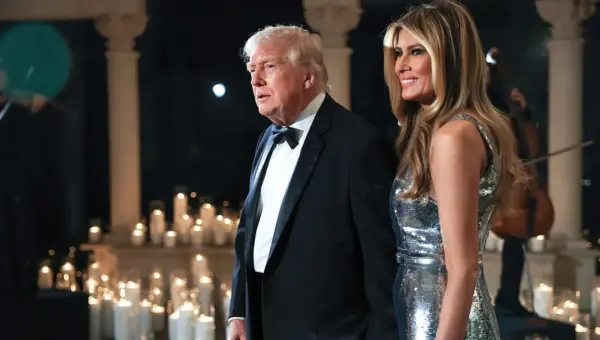
President Donald Trump and First Lady Melania Trump attended the opening night of the musical "Chicago" at the Trump International Hotel and Tower. This cultural outing occurred against a backdrop of ongoing political developments and public scrutiny.
Midterms to Test Trump’s Grip on GOP, Voters Show Discontent
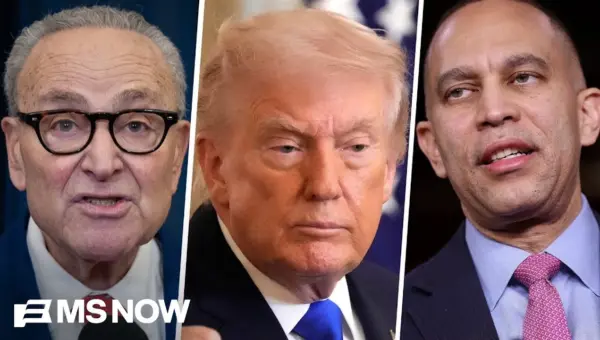
The upcoming midterm elections are expected to be a significant test of former President Donald Trump's influence within the Republican party and the broader electorate. With low approval ratings and voter discontent over key policies, the elections could signal a shift in political power. Experts believe the midterms will be more than just a check on the current administration, reflecting deep dissatisfaction that could impact both the House and the Senate.