B-52 Bombers Strike Iran’s Missile Hubs
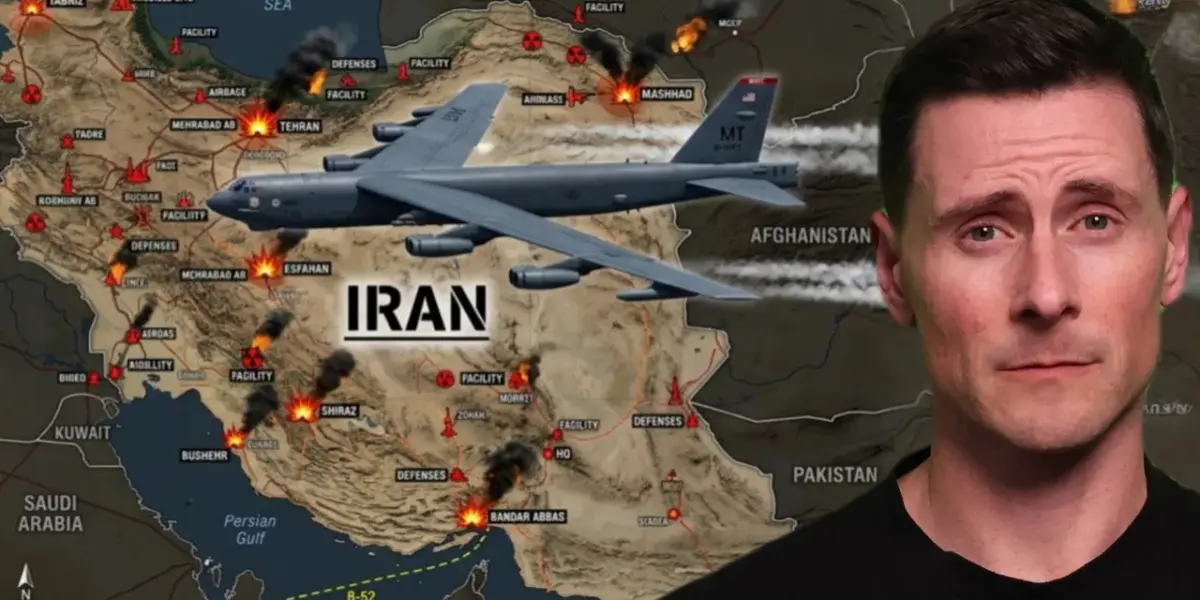
U.S. B-52 bombers have conducted their first overland missions into Iran, striking key ammunition depots linked to the country's ballistic missile program. These operations mark a significant escalation, demonstrating U.S. air superiority and degrading Iranian air defenses.

B-52 Bombers Strike Iran’s Missile Hubs
In a significant escalation of Operation Epic Fury, B-52 Stratofortress bombers have conducted direct overland missions into Iran for the first time. These long-range heavy bombers have targeted key facilities, including hardened underground ammunition depots in Istafon, which U.S. officials believe are linked to Iran’s ballistic missile program. The strikes, which began on March 31st, 2026, mark a new phase in the conflict, demonstrating an increased U.S. capability to strike deep within Iranian territory.
Istafon Depot Strikes Highlight B-52’s Role
The B-52s reportedly dropped thousands of pounds of bunker-busting munitions on targets in Istafon. Video released by President Trump on social media appeared to show a large ammunition depot being hit, resulting in significant secondary explosions that illuminated the night sky. These strikes are seen as targeting a critical node in Iran’s ability to project missile power. Secretary of War Pete Hegsth stated that pilots who had flown combat missions into Iran were among those involved in recent operations, emphasizing the continued commitment of U.S. aircrews.
Strategic Shift with Overland Bombing
The ability of the B-52 to now fly overland missions over Iran without relying on standoff weapons signifies a crucial shift. This suggests that Iranian air defenses, previously a concern for bomber operations, have been significantly degraded. General Kaine, Chairman of the Joint Chiefs of Staff, reported that over 11,000 targets have been hit as part of the operation. He also noted mass desertions within the Islamic Revolutionary Guard Corps (IRGC), which he linked to the destruction of enemy command and control centers.
Decimating Naval and Ground Assets
Beyond the strikes on missile infrastructure, B-52s and other aircraft have reportedly targeted over 150 IRGC naval vessels. Smaller, fast-moving boats that pose a threat to the vital Strait of Hormuz are being engaged by aircraft like the A-10, F-15E, and F-16. The deployment of the amphibious assault ship USS Tripoli, carrying 2,500 Marines, further expands U.S. options in the region, potentially enabling special operations forces and F-35B fighter jets.
Space Superiority and Air Defense
Admiral Cooper highlighted the importance of active air defense systems and ongoing efforts to counter Iranian ballistic missile and drone launches. He also emphasized the critical role of space superiority, which provides essential intelligence, surveillance, reconnaissance, and battle damage assessment capabilities. This high-ground advantage is crucial for understanding the effectiveness of strikes and planning future operations.
Iranian Response and Shifting Dynamics
Despite the scale of the U.S. strikes, Iranian officials have downplayed the impact, referring to hits on military sites as minor. However, the IRGC confirmed the loss of Major General John Shid Ishkahi, an adviser to the chief of the general staff. The regime’s rhetoric suggests a continued commitment to resistance, including efforts to keep the Strait of Hormuz closed. Reports indicate that over 20 Western-linked oil tankers have been allowed to pass through the strait, suggesting a potential shift in Iranian policy or the emergence of a new, more pragmatic leadership.
Geopolitical Implications and Future Operations
The U.S. strategy appears focused on degrading Iran’s ability to project power before offering diplomatic solutions. President Trump has indicated that allies reliant on oil from the region may need to step up their contributions to ensuring freedom of navigation. The U.S. continues to counter Iranian attacks on oil tankers, which have recently targeted Kuwaiti vessels. The deployment of B-52s and additional Marines suggests a comprehensive approach to securing regional stability and deterring further aggression.
“The B-52 Stratafortress is proving once again why it’s the backbone of American air power and bomber force, delivering precision, power, and resolve.”
The ongoing strikes aim to reduce Iran’s launch rates for missiles and drones, which have reportedly decreased significantly. The B-52’s ability to carry a heavy payload, estimated at 70,000 pounds of armament, makes it a formidable tool for sustained strategic bombing. Analysts suggest that the current offensive operations could lead to a decisive conclusion in the conflict within weeks or months, particularly if Iran’s command and control structures continue to fracture and new leadership seeks negotiation.
Source: You Won't Believe What B-52 Bombers Just Did To Iran (YouTube)

Related Articles

Gulf Allies Urge US to Continue Iran Campaign: Report
Saudi Arabia and the UAE are privately urging the U.S. to continue its military campaign against Iran, believing the nation has not been sufficiently weakened. The conflict shows no sign of ending, with over 10,000 airstrikes launched, yet Iran's regime and key military capabilities remain intact. Regional allies are also increasing their involvement, adding further complexity to the escalating tensions.


Iran Strike Costs US $750M, Hints at Russian Aid
An Iranian strike on Prince Sultan Air Base destroyed at least $750 million in U.S. assets, including a vital AWACS aircraft. The attack, which injured ten personnel, raises questions about U.S. defenses and suggests potential Russian intelligence assistance to Iran.


Trump’s Iran Gamble: A Leader Lost in the Bluster?
Critics claim Donald Trump lacks understanding of foreign policy, particularly regarding Iran, leading to a dangerous situation. Falling poll numbers and a base questioning his actions suggest he's in a political bind.