Gulf Allies Urge US to Continue Iran Campaign: Report
Saudi Arabia and the UAE are privately urging the U.S. to continue its military campaign against Iran, believing the nation has not been sufficiently weakened. The conflict shows no sign of ending, with over 10,000 airstrikes launched, yet Iran's regime and key military capabilities remain intact. Regional allies are also increasing their involvement, adding further complexity to the escalating tensions.

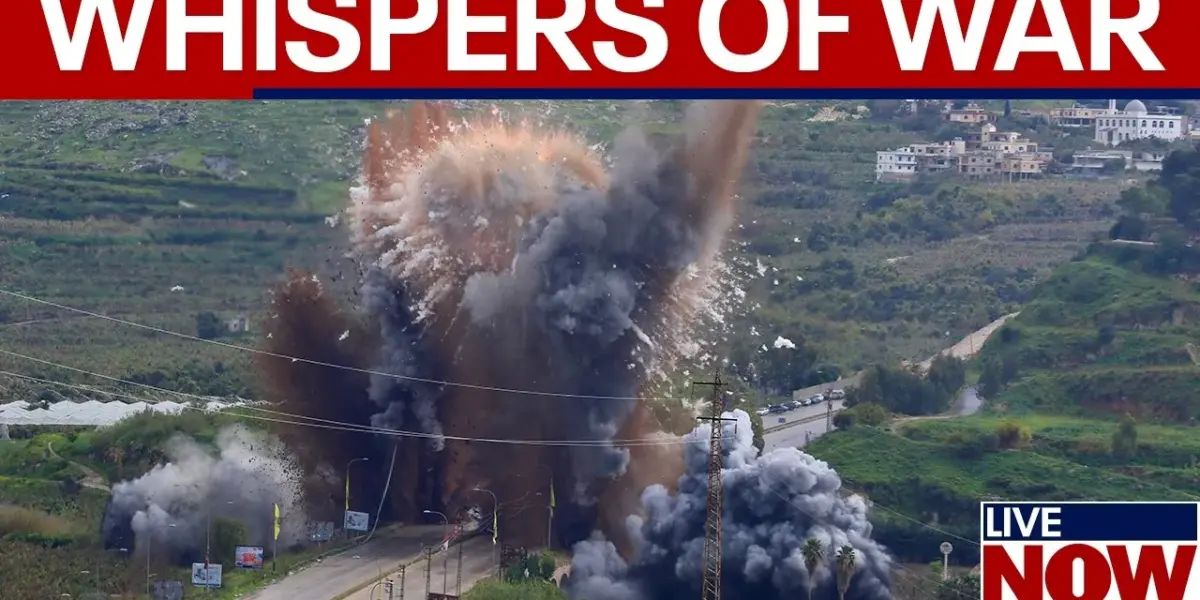
Middle East Tensions Escalate as Key Allies Push for Prolonged Conflict
In the midst of escalating tensions in the Middle East, Saudi Arabia and the United Arab Emirates are privately urging the United States to continue its military campaign against Iran. The Gulf nations reportedly believe that Iran has not been sufficiently weakened and want the U.S. to press further. This development comes as the conflict, now in its second month, shows no immediate signs of ending, with both the U.S. and Iran appearing to be prepared for a long fight.
Operation Epic Fury Continues Amidst Stalemate
Operation Epic Fury, initiated on February 28th, has seen over 10,000 airstrikes targeting Iran. Despite these significant military actions, the Iranian regime remains intact, and the Islamic Revolutionary Guard Corps (IRGC) continues to possess ballistic missiles and drones. Experts suggest that the initial expectation of a swift regime collapse or the IRGC’s military degradation has not materialized. The continued ability of Iran to control access in and out of the Strait of Hormuz also remains a critical concern.
Nuclear Sites Targeted Again
Recent reports indicate that both the U.S. and Israel have again struck facilities near Isfahan, a region known to house uranium enrichment sites. These strikes echo similar operations from the previous summer, which targeted key components of Iran’s nuclear program. The exact state of Iran’s nuclear program and the effectiveness of these renewed strikes remain unclear. A significant concern is the estimated 1,000 pounds of highly enriched uranium that Iran may still possess, raising questions about potential U.S. or Israeli efforts to secure or destroy this material.
Wider Regional Impacts Emerge
The ongoing conflict in the Middle East is having ripple effects across the global economy and geopolitical landscape. One notable impact is the apparent benefit to Russia, which has seen sanctions related to the Ukraine war potentially eased due to global oil supply concerns. Russia is now reportedly able to transport oil to various countries, including Cuba, which is receiving its first significant crude oil shipment since January 2026. This situation suggests a complex web of unintended consequences stemming from the conflict.
Gulf Nations’ Risky Stance
The private appeals from Saudi Arabia and the UAE to the U.S. highlight a complex regional dynamic. While these Gulf nations desire a weakened Iran, they also face direct costs. Iran has continued to attack them and threaten their oil and gas industries. The willingness of these countries to accept short-term risks suggests their ultimate goal is a fundamental change in Iran’s leadership, moving away from hardline clerics and the IRGC to a regime less hostile to the region.
Diplomacy vs. Military Action
Despite the ongoing military operations, diplomatic efforts continue. However, Iran has publicly rejected proposed plans, citing them as unacceptable. It remains unclear whether private discussions differ from public statements or if internal coordination within Iran is hindering progress. President Trump has also threatened to strike Iran’s energy infrastructure if a deal is not reached, raising the stakes for future actions. The potential for further escalation, including strikes on energy facilities or even ground operations, remains a significant concern.
Human Rights Abuses Continue Amidst Conflict
The internal situation in Iran is also marked by severe human rights abuses. Recent reports confirm the public hangings of individuals associated with exile groups, underscoring the regime’s efforts to maintain control amidst internal dissent and external pressure. While these actions are deeply concerning, experts suggest they may not significantly alter the U.S. approach, given the ongoing conflict. These executions serve as a stark reminder of the regime’s determination to suppress opposition, especially in light of diminished large-scale protests compared to earlier in the year.
Axis of Resistance Mobilizes
The conflict has also seen a coordinated response from Iran’s regional allies, referred to as the “axis of resistance.” Groups like Hezbollah in Lebanon, the Houthis in Yemen, and various militias in Iraq are now more actively engaging in hostilities. This increased confrontational stance, following periods of regrouping after earlier Israeli actions, suggests a directed or encouraged effort by Iran. Hezbollah has been launching rockets and missiles from civilian areas, a tactic the Israel Defense Forces (IDF) describe as using civilians as human shields. The IDF is reportedly considering deeper incursions into Lebanon, while the Houthis’ involvement adds another layer of complexity to the expanding regional conflict.
What to Watch Next
The coming days and weeks will be critical in determining the trajectory of the conflict. All eyes are on whether diplomacy can yield any breakthroughs, particularly concerning Iran’s nuclear program and regional aggression. The U.S. will be closely watching Iran’s response to mounting pressure and losses, and whether this prompts a willingness to negotiate. If diplomatic channels fail, the crucial question will be whether President Trump follows through on threats to target Iran’s energy infrastructure or engage in further military actions, which could lead to significant escalation.
Source: Middle East war: Saudi Arabia, UAE privately push US to keep fighting Iran (YouTube)

Related Articles
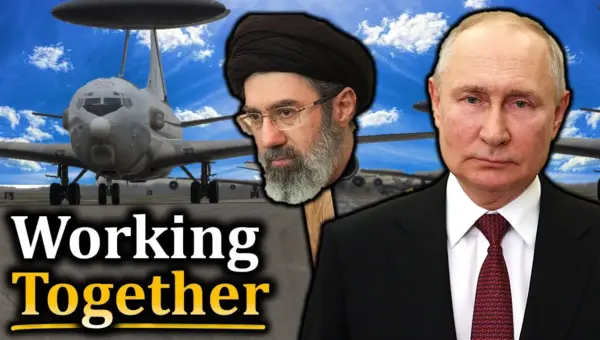
Iran Strike Costs US $750M, Hints at Russian Aid
An Iranian strike on Prince Sultan Air Base destroyed at least $750 million in U.S. assets, including a vital AWACS aircraft. The attack, which injured ten personnel, raises questions about U.S. defenses and suggests potential Russian intelligence assistance to Iran.


Trump’s Iran Gamble: A Leader Lost in the Bluster?
Critics claim Donald Trump lacks understanding of foreign policy, particularly regarding Iran, leading to a dangerous situation. Falling poll numbers and a base questioning his actions suggest he's in a political bind.
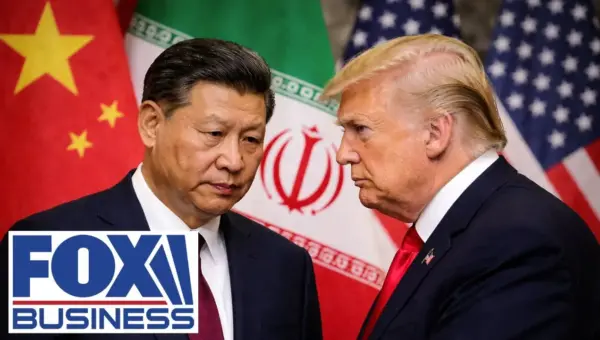
China Aiding Iran, Damaging US Jets: Expert Warns
China is accused of providing intelligence to Iran, which may have led to the destruction of a $700 million U.S.-backed early warning jet. This accusation surfaces as President Trump prepares to meet with Chinese President Xi Jinping amidst rising geopolitical tensions.