GOP’s Grip on Reality Loosens: A Descent into Lies?
Senator Tom Cotton's recent claims about TSA funding and Democratic motives have sparked debate, suggesting a disconnect from facts. The analysis questions whether Republican politicians are deliberately spreading falsehoods to their base, leading to a potential "psychosis" where lies are accepted over reality.

GOP’s Grip on Reality Loosens: A Descent into Lies?
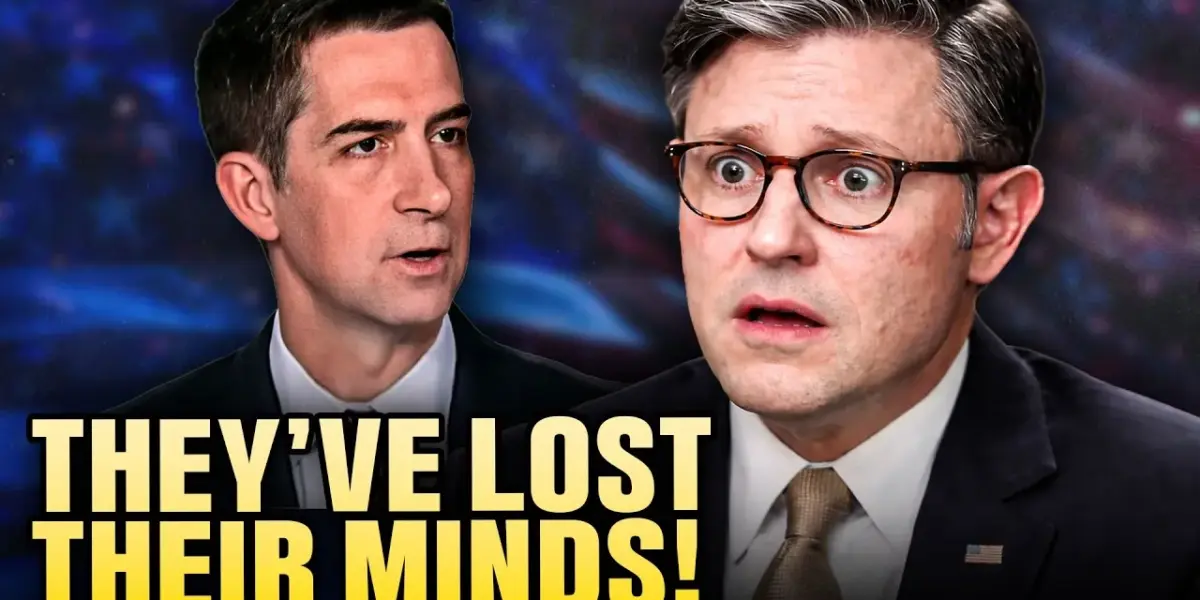
A recent political argument on Fox News highlights a growing concern: are Republican politicians deliberately spreading falsehoods to their supporters? Senator Tom Cotton’s claims about the TSA funding and border issues have sparked debate, suggesting a disconnect from facts and a reliance on baseless accusations.
The TSA Funding Dispute: A Case Study
The issue began with a question about why Congress couldn’t agree on funding for the Department of Homeland Security (DHS). This lack of agreement led to potential problems, like TSA agents not getting paid and longer airport security lines. Host Shannon Bream asked Senator Tom Cotton about the hold-up.
Cotton responded by blaming Democrats, calling them “crazy” on the issue. He claimed Democrats were using the TSA lines as a “temper tantrum” to push for less strict rules on deporting undocumented immigrants and to cut funding for Immigration and Customs Enforcement (ICE) and Border Patrol. He also stated that Republicans had already funded ICE last summer, implying Democrats were being unreasonable.
This statement raises immediate questions. If Republicans already funded ICE, why would Democrats be blocking it now? And how do airport lines connect to deportations of violent criminals? The logic seems shaky, like trying to fit two puzzle pieces together that clearly don’t match.
Unraveling Cotton’s Claims
Let’s break down Cotton’s argument. First, he suggests Democrats have become “radicalized.” This is a strong word, often used to imply extreme or dangerous views. However, the speaker in the video points out that, unfortunately, Democrats are not as far left as some might wish.
Second, Cotton links TSA lines to a Democratic desire to stop deportations of “violent criminal illegal aliens.” The video counters this by stating that over 90% of people apprehended by ICE or Customs and Border Patrol (CBP) have no criminal records. This directly contradicts the senator’s assertion, suggesting his claims are not based on facts.
The Masked ICE Agent Theory
The argument gets even stranger. Cotton then suggested that Democrats are insisting ICE officers be banned from wearing masks. His reasoning? To prevent “radical left-wing Democrats” from doxing (publicly revealing personal information) ICE officers and having “street militias” terrorize their families. He claimed this is why Democrats are causing long airport lines, as part of a deliberate plan.
This explanation is particularly bizarre. The idea that Democrats would intentionally create airport chaos over a mask policy for ICE agents, and that this is a long-planned scheme, seems far-fetched. It sounds like a story made up to confuse rather than inform.
The video’s response is blunt: this is not true. It argues that Democrats have repeatedly tried to fund the government, including paying TSA workers. Instead, it claims Republicans, following orders from Donald Trump, blocked these funding efforts multiple times.
A Base That Believes Anything?
The core of the critique is that this type of rhetoric works because Republican politicians believe their base will accept any claim, no matter how divorced from reality. The video suggests that politicians can say things that are “not close to reality,” and their supporters will still believe them.
This, the argument goes, has created a kind of “psychosis” within the Republican party. Politicians and voters alike are seen as being “pre-programmed to automatically lie and of course to accept any lie.” They are accused of being programmed to reject facts and embrace falsehoods.
Historical Context: The Power of Narrative
This isn’t entirely new in politics. Throughout history, political movements have used narratives, sometimes based on fear or misinformation, to rally support. Think of propaganda during wartime or political campaigns that relied on strong, often exaggerated, claims about opponents.
However, the current political climate, amplified by social media and partisan news outlets, seems to allow these narratives to spread faster and wider than ever before. When politicians can bypass traditional media gatekeepers and speak directly to their base, the potential for misinformation to take root grows.
Why This Matters
This issue is critical because it affects the very foundation of a functioning democracy. When a significant portion of the electorate is fed information that is demonstrably false, it becomes difficult to have productive discussions about policy. How can we solve problems like border security or government funding if we can’t agree on basic facts?
It also raises questions about accountability. If politicians can make up stories without consequence from their voters, what incentive do they have to be truthful? This can lead to a cycle where lies are rewarded, and truth is punished.
Trends and Future Outlook
The trend appears to be a deepening divide, where different political groups inhabit separate information universes. This makes compromise and bipartisan cooperation increasingly difficult. The reliance on emotional appeals and identity politics over factual debate seems likely to continue.
The future outlook is concerning. If this pattern persists, we may see further political polarization and a continued erosion of trust in institutions and factual reporting. The challenge for voters is to become more critical consumers of information, seeking out diverse sources and questioning claims that seem too outlandish to be true.
A Call for Digital Vigilance
In an age where personal information is readily available and can be used for malicious purposes, protecting oneself online is crucial. Services that help remove personal data from the internet and offer comprehensive digital security are becoming essential tools. This includes protecting against identity theft, fraud, and hacking, which can be fueled by the very misinformation discussed earlier.
Source: The Entire Republican Party Is INSANE (YouTube)

Related Articles


MAGA Movement Fractures Amidst Discontent and Shifting Alliances
The MAGA movement faces growing internal divisions, highlighted by a less prominent CPAC gathering and rising discontent over foreign policy. Former PM Liz Truss's launch of a 'Make England Great Again' movement signals international ambitions, but questions linger about the movement's future direction and impact on upcoming elections.

Johnson’s Shutdown Blunder Sinks GOP House Hopes
House Speaker Mike Johnson's refusal to fund the Department of Homeland Security has put Republicans in a tough spot. This move could cost them control of the House, as the dispute threatens to drag on and alienate voters.

Reviving Archaic Views: The Danger of Denying Women the Vote
A recent discussion revealed a troubling viewpoint: that women should not have the right to vote, echoing dangerous historical rhetoric. This challenges the hard-won 19th Amendment and suggests power should be held by a select few. Protecting universal suffrage is vital for a democratic future.