Trump Signs Order: What Does It Mean Now?
President Donald Trump signed an executive order on March 31st, a significant act that directs federal agencies. Executive orders are powerful tools, acting like directives from the President that carry the force of law. Their impact can be wide-ranging, affecting policy, the economy, and citizens' lives.

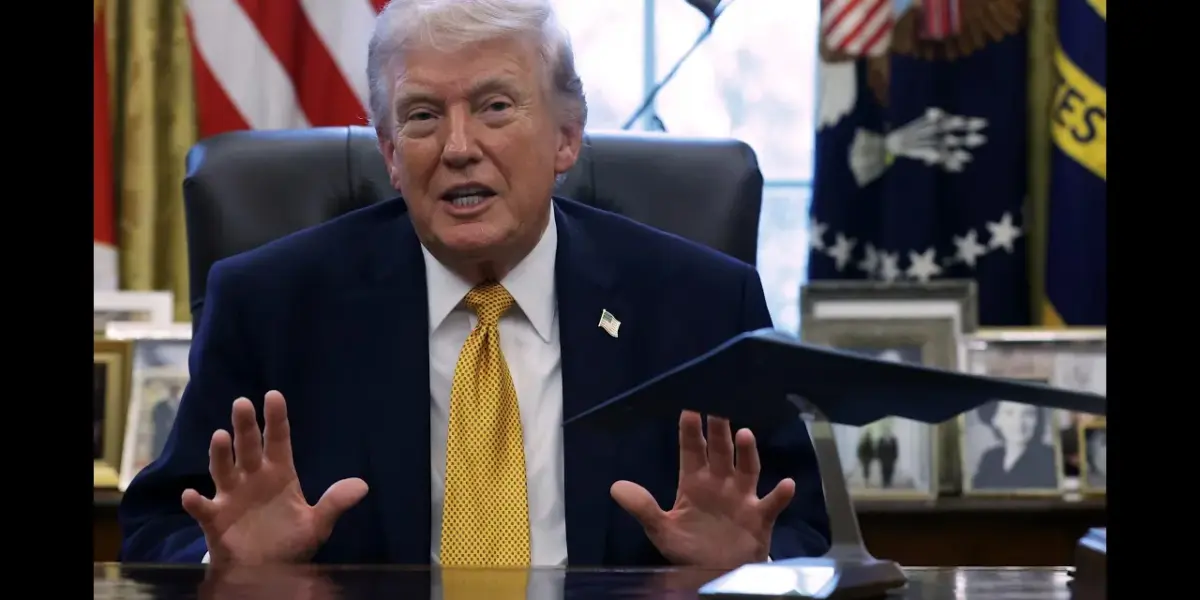
Trump Signs Executive Order: A Look at the Immediate Impact
On March 31st, President Donald Trump signed an executive order. The signing happened at 5 p.m. Eastern Time. This action by the President is significant because executive orders can have a direct impact on how government agencies operate and implement policies. They are directives that the President issues to federal agencies, carrying the force of law. Understanding the nature of these orders is key to grasping their potential effects.
Executive orders have a long history in American governance. Presidents have used them for various purposes, from managing federal operations to enacting policy changes. For example, President Lincoln used an executive order to establish the Department of Agriculture. President Franklin D. Roosevelt used them extensively during World War II. More recently, Presidents have used them to address issues like immigration, environmental regulations, and healthcare.
What is an Executive Order?
An executive order is a written directive from the President of the United States that manages operations of the federal government. It is similar to a law passed by Congress, but it doesn’t require congressional approval. However, executive orders can be challenged in court or overturned by future presidents. They are a powerful tool, but they also have limitations. Think of it like a company CEO giving a direct instruction to their department heads – it needs to be carried out, but it can also be changed by the next CEO.
The Specifics of This Order
The details of this particular executive order were not provided in the source transcript. However, the act of signing such an order signals an intention to enact a specific policy or directive. Without knowing the content, it’s impossible to say exactly what changes or actions will follow. Often, executive orders address complex issues that require swift action or a specific presidential focus.
When a president signs an executive order, the relevant federal agencies are tasked with implementing it. This can involve issuing new regulations, changing existing procedures, or allocating resources. The public and various stakeholders, including businesses and advocacy groups, will often react to these orders based on their perceived impact.
Potential Ramifications and Public Reaction
The public reaction to any executive order can vary widely. Depending on the subject matter, some orders might be widely supported, while others could face significant opposition. Groups that are directly affected by the order will often voice their opinions, and legal challenges are also a common response to orders that are seen as exceeding presidential authority.
For example, if an executive order were to change trade policy, businesses that import or export goods would be directly impacted. If it were related to environmental protection, industries that might be affected by new regulations would respond. These reactions are a crucial part of the checks and balances in the U.S. system.
Why This Matters
Executive orders matter because they represent a direct exercise of presidential power that can shape national policy and affect the lives of citizens. They offer a way for a president to act decisively on issues that are important to them, especially when legislative action may be slow or difficult to achieve. This particular order, like others before it, is a piece of the ongoing story of how presidential power is used in the United States.
The impact of any executive order can be far-reaching. It can influence the economy, affect social programs, or alter the nation’s standing on the global stage. Understanding the context and potential consequences of these presidential actions is vital for informed citizenship. It allows us to see how decisions made in the Oval Office translate into real-world effects for everyone.
Looking Ahead
The future impact of this executive order will depend on its specific provisions and how effectively it is implemented by federal agencies. It will also be shaped by any legal challenges or subsequent actions by Congress or future administrations. The effectiveness of an executive order is not always immediate; it can unfold over months or even years. Tracking these developments will be important for understanding its full significance.
The use of executive orders is a constant feature of American politics. Each order adds a chapter to the ongoing narrative of presidential action and its consequences. As new orders are signed, they prompt discussions about the scope of executive power and its role in governing our nation. The process of signing, implementing, and sometimes challenging these orders is a dynamic part of our government.
Source: LIVE: Trump Signs Executive Order (YouTube)

Related Articles

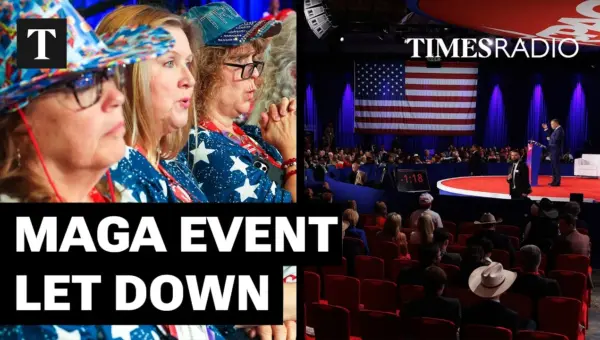
MAGA Movement Fractures Amidst Discontent and Shifting Alliances
The MAGA movement faces growing internal divisions, highlighted by a less prominent CPAC gathering and rising discontent over foreign policy. Former PM Liz Truss's launch of a 'Make England Great Again' movement signals international ambitions, but questions linger about the movement's future direction and impact on upcoming elections.


Trump’s ‘On Your Own’ World: Allies Abandoned, Economy Suffers
As gas prices surge and global tensions rise, the U.S. under Trump is telling allies they are "on their own." This shift leaves nations to fend for themselves, impacts the American economy, and raises serious questions about U.S. foreign policy and leadership.
Trump’s Iran Gamble: A Leader Lost in the Bluster?
Critics claim Donald Trump lacks understanding of foreign policy, particularly regarding Iran, leading to a dangerous situation. Falling poll numbers and a base questioning his actions suggest he's in a political bind.