Trump’s ‘On Your Own’ World: Allies Abandoned, Economy Suffers
As gas prices surge and global tensions rise, the U.S. under Trump is telling allies they are "on their own." This shift leaves nations to fend for themselves, impacts the American economy, and raises serious questions about U.S. foreign policy and leadership.

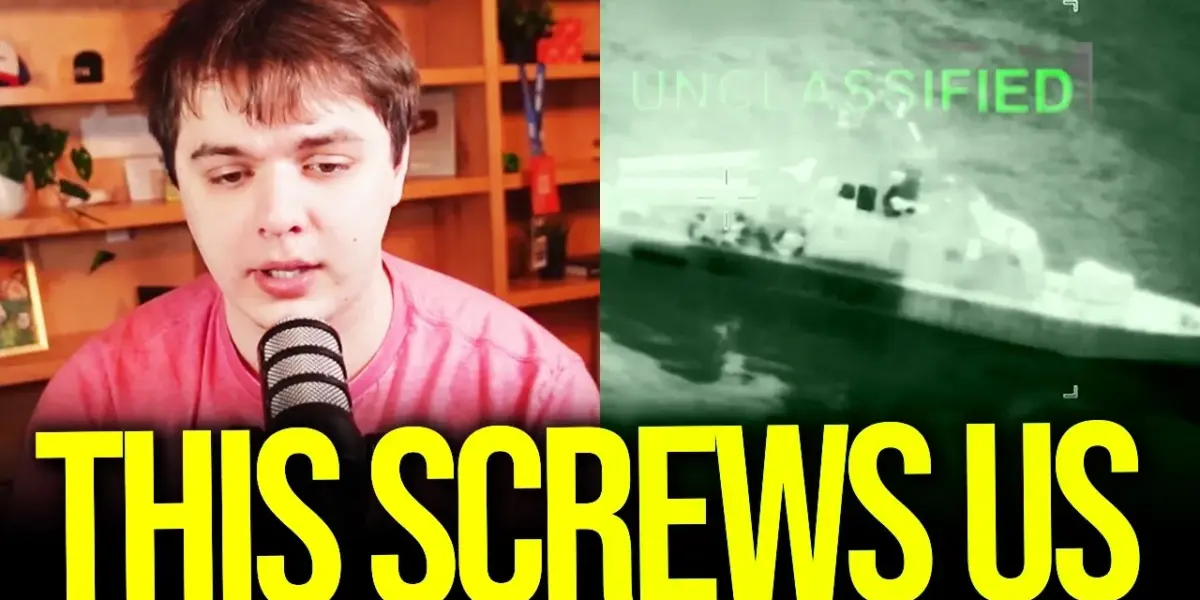
Trump’s ‘On Your Own’ World: Allies Abandoned, Economy Suffers
The idea that former President Donald Trump might have been misled into a conflict is a theory that has recently surfaced, with some suggesting he wasn’t fully aware of the risks involved. However, looking closely at the actions and statements, it’s clear that Trump understood the dangers. The situation in the Middle East, coupled with rising gas prices at home, paints a picture of an administration struggling to manage complex global issues. This has led to a notable shift in how the U.S. interacts with its allies, leaving them to fend for themselves.
A World Left to Its Own Devices
Recently, Donald Trump made a striking statement: “All of those countries that can’t get jet fuel… you are on your own.” This declaration signals a significant departure from traditional U.S. foreign policy. It suggests a withdrawal of American support, even for long-standing allies. This isn’t just about distant nations; the U.S. has also strained relationships with close neighbors like Canada and Mexico, and even attempted to acquire Greenland. The message is consistent: the U.S. is increasingly looking inward, leaving others to handle their own security and economic challenges.
Economic Fallout at Home
This shift in foreign policy comes at a difficult time for the American economy. Gas prices are climbing nationwide, and diesel prices are hitting record highs in many states. Patrick Dehan, a leading expert at Gas Buddy, highlighted the severity of the situation. He noted that states like Arizona, Nevada, North Carolina, and Tennessee have seen diesel price increases of around 56-67%. This surge in fuel costs directly impacts truckers, farmers, and the entire logistics industry. When more money is spent on essentials like gas, less is available for other goods and services, slowing down overall economic activity.
The U.S. economy runs on diesel, with several states setting new all-time highs for diesel, while others are seeing the largest monthly increases of all time.
Questioning Leadership and Strategy
The confusion and economic pain have led some, like Laura Ingraham, to question whether President Trump was fully briefed on the potential consequences of certain actions, particularly regarding military engagements. The theory suggests that perhaps he was unaware of the complexities and risks, acting more like a child in a complex world. However, evidence suggests that Trump was indeed briefed and made deliberate choices, even if those choices led to unintended and difficult outcomes. The administration’s strategy, often described as “4D chess,” appears to be faltering, leaving many to question if there is a coherent plan at all.
Contradictory Messages and Broken Alliances
Adding to the confusion are contradictory statements from within the administration. While allies are being told they are on their own, the U.S. is also being criticized for not receiving enough support from these same allies. Officials like Pete Hegseth have pointed out that NATO allies are not stepping up as expected, even when the threats do not directly endanger the United States. This creates a paradox: the U.S. is pushing allies away while simultaneously expecting them to act as dependable partners. This inconsistency undermines trust and makes it harder to form unified responses to global challenges.
Historical Context and Shifting Alliances
This approach to alliances is not entirely new. Throughout history, the U.S. has navigated complex relationships, sometimes prioritizing national interests over collective security. However, the current stance represents a more pronounced withdrawal. The questioning of NATO’s value and the demands for allies to act independently echo a sentiment of isolationism that has ebbed and flowed in American foreign policy. The events of recent weeks, including the conflict in Lebanon which tragically resulted in the deaths of many children, underscore the human cost of these geopolitical decisions.
Why This Matters
The implications of this shift are far-reaching. For allies, it means a greater burden to defend themselves and manage regional stability without the usual American backing. For the U.S., it could lead to a more unstable world, where conflicts are harder to contain and American interests are ultimately threatened. Economically, the rising costs of energy will continue to affect households and businesses, potentially leading to further hardship. The administration’s approach raises serious questions about leadership, strategic foresight, and the long-term consequences of alienating partners.
Future Outlook
The current situation suggests a future where international cooperation is more challenging. If the U.S. continues to adopt an “on your own” policy, other nations may be forced to seek new alliances or develop independent capabilities. This could lead to a more fragmented and unpredictable global order. The economic pressures from rising energy prices will likely persist, demanding difficult choices for both consumers and policymakers. The effectiveness of U.S. foreign policy in the coming years will depend heavily on whether it can rebuild trust with allies and articulate a clear, consistent vision for global engagement.
Source: Trump just said we are ON OUR OWN… (YouTube)

Related Articles
Iran War’s Wobbly Goals Threaten Global Stability
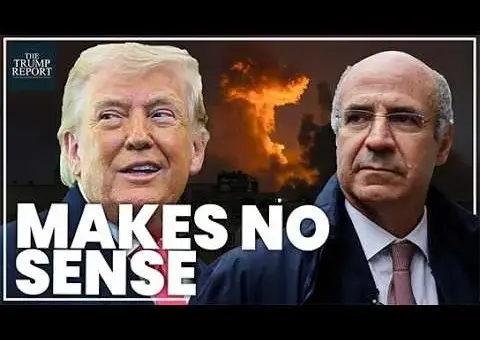
The shifting objectives of the Iran conflict and the ongoing disruption of the Strait of Hormuz pose significant global risks. Sir Bill Browder discusses how Iran's 'trump card' could lead to economic instability, while political pressures mount for leaders. Ukraine's expertise in blockade warfare offers a potential solution, but geopolitical complexities abound.
Trump’s Iran Gamble: A Leader Lost in the Bluster?
Critics claim Donald Trump lacks understanding of foreign policy, particularly regarding Iran, leading to a dangerous situation. Falling poll numbers and a base questioning his actions suggest he's in a political bind.
China Aiding Iran, Damaging US Jets: Expert Warns
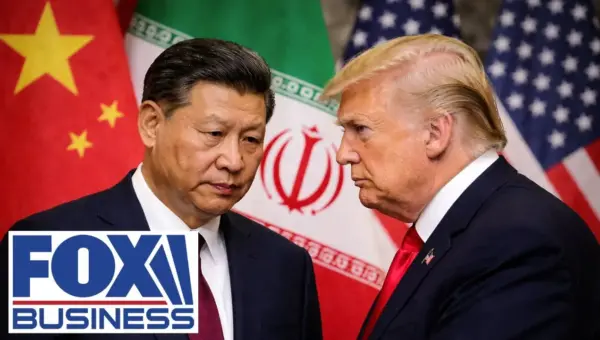
China is accused of providing intelligence to Iran, which may have led to the destruction of a $700 million U.S.-backed early warning jet. This accusation surfaces as President Trump prepares to meet with Chinese President Xi Jinping amidst rising geopolitical tensions.