Iran War’s Wobbly Goals Threaten Global Stability
The shifting objectives of the Iran conflict and the ongoing disruption of the Strait of Hormuz pose significant global risks. Sir Bill Browder discusses how Iran's 'trump card' could lead to economic instability, while political pressures mount for leaders. Ukraine's expertise in blockade warfare offers a potential solution, but geopolitical complexities abound.

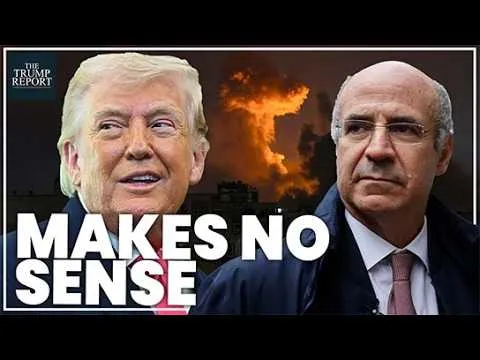
Iran War’s Wobbly Goals Threaten Global Stability
The objectives of the recent Iran conflict have been shifting, leaving many confused about the true aims. Initially, the goals were stated as destroying Iran’s air force and navy, crippling its missile capabilities, and shutting down its missile factories. However, these initial goals did not mention Iran’s nuclear program, opening the Strait of Hormuz, or regime change.
Adding to the confusion, reports surfaced that former President Trump told aides he was willing to end the war even if the Strait of Hormuz remained closed. The strategy seemed to be to damage Iran’s military first, then use diplomacy or allies to reopen the vital waterway later. This shift suggests the original, more ambitious goals might have been too difficult to achieve within a short timeframe.
A Strategic Trump Card: The Strait of Hormuz
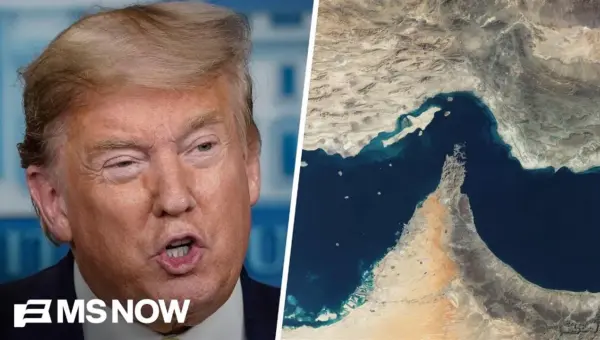
Sir Bill Browder, a prominent critic of the Iranian regime, highlighted the significance of the Strait of Hormuz. This narrow waterway is crucial for global trade, with 20-25% of the world’s oil passing through it daily. Other important goods like helium and fertilizers also rely on this route.
“It doesn’t take much to basically stop all those boats from going through the Strait of Hormuz. And in doing so, it causes pain, economic pain that’s that’s kind of hard to even predict.”
Browder explained that Iran, though seemingly outmatched by a superpower, has a powerful “trump card”: the ability to disrupt global trade by blocking the Strait. Even a few well-placed actions can halt shipments, creating economic hardship worldwide. This leverage gives Iran significant power, even if its military is weakened.
Declared Victory, Lingering Problems
The concern is that if a victory is declared while the Strait of Hormuz remains blocked, the world could be in a worse position than before the conflict began. Iran could use this situation to demand favorable terms, effectively blackmailing other nations by controlling oil and gas prices. This scenario is particularly worrying for Gulf nations like Saudi Arabia and the UAE, who would strongly oppose Iran gaining such influence.
Former President Trump’s public statements have added another layer to this complex situation. He has suggested that countries facing fuel shortages due to the blocked Strait should simply buy fuel from the US or take action themselves to reopen it. This approach seems to shift responsibility, potentially leaving allies to deal with the fallout while the US steps back.
Midterm Elections and Economic Pressures
The upcoming midterm elections add a political dimension to the conflict. Rising fuel prices are a major concern for voters, and any significant increase could hurt the Republican party. Browder pointed out that if the cost of living remains high, voters may express their anger at the ballot box, potentially impacting the election results.
The economic impact of the Strait of Hormuz closure is not limited to the US. The entire world would feel the effects of reduced oil and gas supplies. This global economic pressure could be used to force Iran to reopen the Strait, but the terms of such an agreement remain uncertain.
Conflict of Interest Concerns
The discussion also touched upon potential conflicts of interest. Reports emerged about a defense investor linked to the Secretary of Defense exploring a multi-million dollar defense investment just before the Iran war. While the deal didn’t go through, it raised serious questions about insider trading and the appearance of impropriety within the government.
Browder emphasized that cabinet members should not engage in actions that could be perceived as insider trading, even if the deal doesn’t materialize. The appearance of such conflicts erodes public trust and damages the credibility of the government.
Ukraine’s Expertise in Blockade Warfare
An interesting development is Ukraine’s offer to help unblock the Strait of Hormuz, drawing on their experience fighting Russia in the Black Sea. Ukraine successfully created a shipping corridor for grain exports by using naval drones and missile strikes to push back Russia’s navy.
President Zelenskyy proposed sharing this expertise with the Trump administration. This offer comes at a time when Ukraine has been increasingly successful in hitting Russian oil ports, damaging its economy and war efforts. These attacks have temporarily taken offline a significant portion of Russia’s oil export capacity.
“Ukraine has really upped their um economic um damage on on Russia… it looks like about 40% of Russia’s oil export capacity, at least temporarily, is offline because of these attacks.”
Browder noted that the US has been hesitant to provide Ukraine with certain defensive weapons, partly to preserve them for defending the Gulf. This situation has seemingly freed Ukraine to target Russian energy infrastructure more aggressively. Zelenskyy has suggested a potential ceasefire on attacks against Russian oil if Russia stops attacking Ukraine’s electricity infrastructure, a proposal Russia has not accepted.
A Broader Geopolitical Connection
The conversation highlighted a growing connection between the Ukraine war and the Iran conflict. Russia is reportedly sharing intelligence with Iran, which is then used to target American soldiers and infrastructure. Meanwhile, Ukraine is offering its drone warfare expertise to Gulf countries to counter Iranian threats.
This complex web of alliances and conflicts raises questions about US policy. Some argue that the US should be punishing Russia for its support of Iran. The situation is described as a Hollywood script, where actions in one conflict directly fuel another, with significant implications for global security.
Conflicting Narratives and the Path Forward
The discussion also addressed conflicting narratives surrounding the potential end of the war in Ukraine. While some US officials have suggested Ukraine might need to cede territory, like Donbas, in exchange for security guarantees, Ukraine maintains that Russia’s aggression is the sole reason for the ongoing conflict.
Browder expressed skepticism about the effectiveness of such security guarantees, citing past instances where they failed to protect Ukraine’s sovereignty. He argued that the only way to force Russian President Putin to end the war is by cutting off his funding. The current situation, where Russia receives sanctions relief and can sell oil to countries like Cuba, suggests Putin is not being sufficiently pressured.
Why This Matters
The shifting objectives in the Iran conflict, coupled with the strategic importance of the Strait of Hormuz, create a volatile situation with global economic and security implications. The potential for Iran to gain leverage through controlling oil flow could destabilize the region and impact energy prices worldwide. Furthermore, the intertwining of the Iran and Ukraine conflicts, with Russia and Iran seemingly cooperating against US interests, highlights a complex geopolitical challenge.
Implications and Future Outlook
The future outlook remains uncertain. The effectiveness of diplomatic solutions versus military actions is being tested. The role of international alliances and the willingness of various nations to cooperate in resolving these crises will be crucial. The potential for economic pressure to force a resolution, as seen in Ukraine, could be a key strategy. However, the current geopolitical climate suggests a prolonged period of tension and potential conflict.
Historical Context
The Strait of Hormuz has historically been a point of tension, with various powers seeking to control or influence its passage. The current situation echoes past geopolitical struggles where control over vital trade routes has been a major factor in international relations. The involvement of multiple global players, including the US, Russia, Iran, and Ukraine, adds layers of complexity, drawing on historical patterns of shifting alliances and rivalries.
Source: Trump’s Iran ‘victory’ could put the world in ‘worst place’ yet | Sir Bill Browder (YouTube)

Related Articles
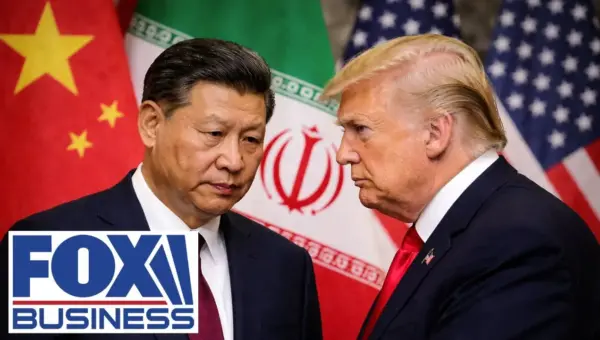
China Aiding Iran, Damaging US Jets: Expert Warns
China is accused of providing intelligence to Iran, which may have led to the destruction of a $700 million U.S.-backed early warning jet. This accusation surfaces as President Trump prepares to meet with Chinese President Xi Jinping amidst rising geopolitical tensions.

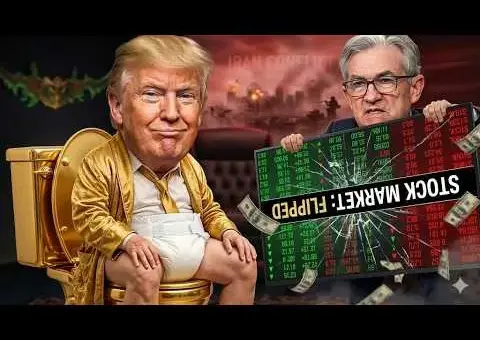
Fed Rate Cut Bets Surge as Market Reverses Hike Fears
Market expectations for Federal Reserve interest rate policy have dramatically shifted, with investors now pricing in a higher chance of rate cuts by the end of 2026. This reversal comes after comments from Fed Chair Jerome Powell and a significant change in the rate futures market, overshadowing geopolitical news and economic data.
Iran Gains Leverage as US War Strategy Falters at Hormuz
The Strait of Hormuz faces significant disruption as Iran effectively blocks the waterway amid ongoing conflict, leading to a sharp rise in global oil prices. Experts warn that a U.S. withdrawal without securing the strait would empower Iran, allowing it to control passage and collect substantial tolls.