Fed Rate Cut Bets Surge as Market Reverses Hike Fears
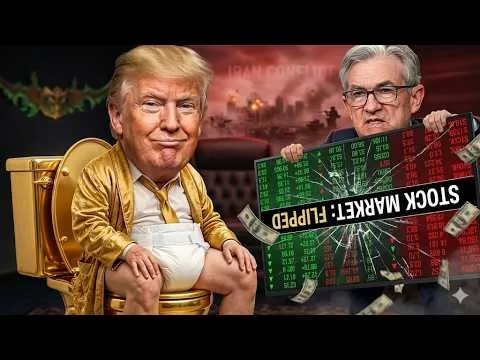
Market expectations for Federal Reserve interest rate policy have dramatically shifted, with investors now pricing in a higher chance of rate cuts by the end of 2026. This reversal comes after comments from Fed Chair Jerome Powell and a significant change in the rate futures market, overshadowing geopolitical news and economic data.

Fed Rate Cut Bets Surge as Market Reverses Hike Fears
Market expectations for Federal Reserve interest rate policy have dramatically shifted, with investors now pricing in a higher chance of rate cuts by the end of 2026. This reversal comes after comments from Fed Chair Jerome Powell and a significant change in the rate futures market, overshadowing geopolitical news and economic data.
Rate Futures Market Flips on Powell Commentary
The most significant driver of market sentiment appears to be a dramatic shift in the Federal Reserve’s projected interest rate path. Charts tracking the probability of future Fed policy show a stark contrast from just a week ago. Previously, there was a substantial chance, around 30% to 40%, of the Fed implementing one or even two additional rate hikes.
However, following recent commentary from Fed Chair Jerome Powell, these expectations have flipped entirely. The market now reflects a greater than 30% probability of rate cuts by the end of 2026. This move away from potential rate hikes suggests that investors believe the Fed is less likely to tighten monetary policy further, even in the face of geopolitical uncertainties.
Geopolitical Crosscurrents and Economic Data
While the shift in rate expectations is a major factor, other developments are also influencing market dynamics. Comments from former President Donald Trump suggested a potential path to ending the current conflict without necessarily reopening the Strait of Hormuz. He indicated that countries needing fuel could source it themselves, particularly Asian nations that receive the majority of oil passing through the strait.
This commentary initially sparked some optimism, but it was met with mixed signals. Another report suggested the conflict could last another four to eight weeks, creating a disconnect with the idea of a swift resolution. Furthermore, statements from Iran’s Revolutionary Guard indicated potential targeting of U.S. companies in the region, adding a layer of geopolitical tension.
Economic data released also presented a complex picture. The latest JOLTS report showed the lowest private sector hiring rate in February since 2010. While layoffs remain relatively low, this slowdown in hiring suggests a cooling labor market. However, this data did not appear to be the primary catalyst for the market’s upward movement.
Understanding Rate Futures and Fed Policy
Rate futures are financial contracts that allow investors to bet on the future direction of interest rates. They are closely watched because they reflect the market’s collective expectation of what the Federal Reserve will do with its benchmark interest rate.
The Federal Reserve uses interest rates as a tool to manage the economy. When the Fed raises rates, it makes borrowing more expensive, which can help slow down inflation. When the Fed cuts rates, it makes borrowing cheaper, which can encourage spending and economic growth. The market’s expectation of rate cuts suggests a belief that inflation may be under control or that the economy needs a boost.
Market Impact and Investor Considerations
The shift in rate cut expectations is generally seen as bullish for the stock market. Lower interest rates can make stocks more attractive compared to bonds, and they can also reduce borrowing costs for companies, potentially boosting profits.
Investors should pay close attention to oil prices, specifically through instruments like USO (United States Oil Fund) and BNO (United States Brent Oil Fund). These often move inversely to the broader market. As oil prices have recently fallen, stock indices like the Nasdaq have seen gains, illustrating this inverse relationship. This dynamic suggests that any fluctuations in oil prices could continue to influence short-term market movements.
The current environment is marked by mixed geopolitical news and a cooling labor market. While the Federal Reserve’s potential pivot towards rate cuts is a positive sign for investors, the ongoing geopolitical tensions and the slowdown in hiring warrant careful observation. The market’s reaction to these factors will be crucial in determining the short-term and long-term outlook for asset prices.
What Investors Should Know
- Fed Policy Shift: The market is increasingly pricing in Federal Reserve rate cuts, moving away from fears of further rate hikes.
- Geopolitical Uncertainty: Mixed signals from geopolitical events, particularly concerning the Middle East conflict, continue to add volatility.
- Economic Indicators: A slowdown in private sector hiring suggests a cooling labor market, which could influence future Fed decisions.
- Oil Price Correlation: Oil prices often move in the opposite direction of major stock indices, making them a key indicator to watch.
The combination of a potential shift in monetary policy and ongoing global events creates a complex but potentially rewarding environment for investors willing to monitor these key indicators closely.
Source: TOTAL FLIP (YouTube)

Related Articles
Iran Gains Leverage as US War Strategy Falters at Hormuz
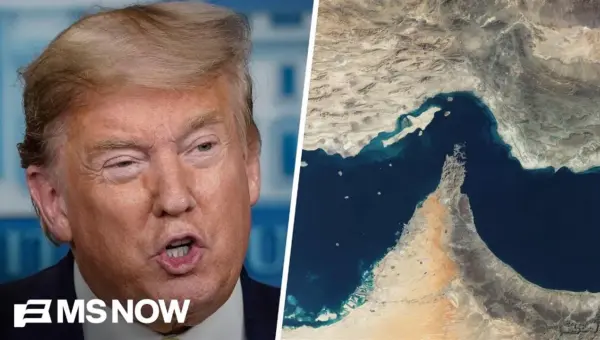
The Strait of Hormuz faces significant disruption as Iran effectively blocks the waterway amid ongoing conflict, leading to a sharp rise in global oil prices. Experts warn that a U.S. withdrawal without securing the strait would empower Iran, allowing it to control passage and collect substantial tolls.

Keane Urges Decisive Action Against Iran’s Nuclear Program
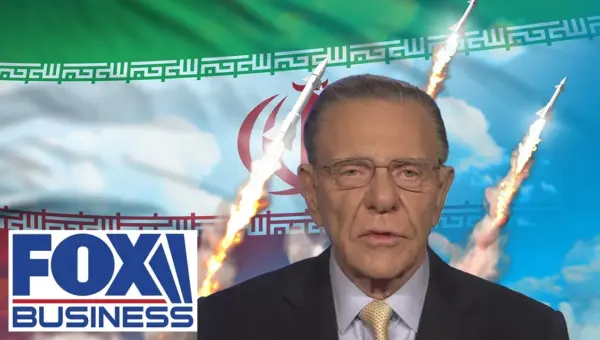
General Jack Keane advocates for decisive military action against Iran's nuclear program, citing intelligence that Iran is actively rebuilding its capabilities. He argues that diplomatic efforts have been insufficient and that military operations are needed to prevent Iran from gaining nuclear leverage. The situation is complicated by international dynamics and alleged support for Iran from Russia and China.

US Forces Unleash Lethal Power in Operation Epic Fury
Operation Epic Fury showcases heightened U.S. military readiness and decisive action against Iran. Troops exhibit remarkable competence and urgency, supported by a robust defense industrial base. The operation aims to dismantle Iran's military capabilities, with a focus on rapid strikes and strategic degradation.