Iran Gains Leverage as US War Strategy Falters at Hormuz
The Strait of Hormuz faces significant disruption as Iran effectively blocks the waterway amid ongoing conflict, leading to a sharp rise in global oil prices. Experts warn that a U.S. withdrawal without securing the strait would empower Iran, allowing it to control passage and collect substantial tolls.

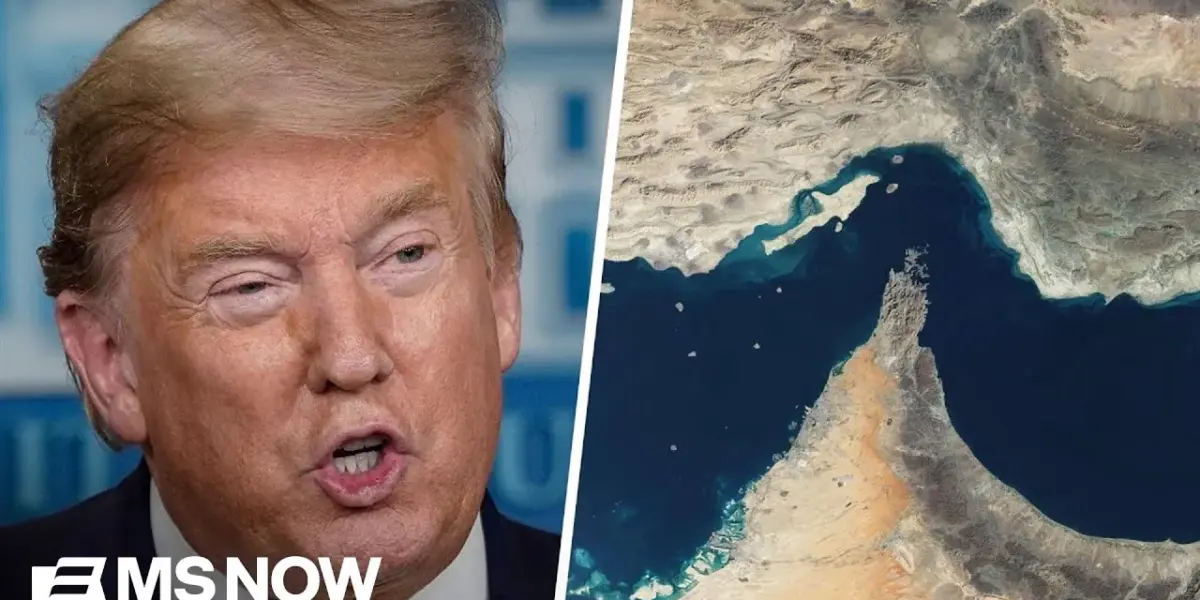
Strait of Hormuz Closure Fuels Global Oil Prices, Empowers Iran
The ongoing conflict, which began after the Strait of Hormuz became a major problem, has seen Iran’s navy effectively block the vital waterway. This action, intended to project power, has led to a significant drop in vessel traffic, with only a fraction of the usual daily shipments passing through. Experts warn that if the U.S. withdraws without securing the strait, it would grant Iran immense leverage and financial gain, essentially allowing them to control passage and collect tolls.
US Faces Dilemma: War Aims vs. Economic Impact
The Pentagon has confirmed that a limited number of ships, including some flagged with Pakistani registration, have managed to transit the Strait of Hormuz. However, these numbers pale in comparison to the typical daily average. The closure has a direct impact on global oil prices, affecting consumers in the United States. While not all oil imports pass through the strait, the disruption clearly contributes to higher gas prices. The situation highlights a key objective of the war: to curb the Iranian navy’s ability to project power. However, the current outcome suggests this objective is not being met.
“The fact that gas prices are higher in the U.S. shows that this isn’t just sort of a European problem.”
David Rode, Senior National Security Reporter, MSNBC
Analyst: US Withdrawal Without Securing Hormuz is ‘Malpractice’
Colin Clark, Executive Director of the Soufan Center, described the potential U.S. withdrawal without securing the Strait of Hormuz as “foreign policy malpractice.” He explained that allowing Iran to turn the strait into a “toll booth” would provide the regime with substantial income. This revenue could then be used to strengthen the very government the U.S. administration sought to weaken. Clark also raised concerns about the administration’s competence in managing such a complex geopolitical situation.
Trump’s Call to Allies Met with Skepticism
President Trump has urged allies to increase their oil purchases from the U.S. and to take direct action to reopen the Strait of Hormuz. However, retired Marine Colonel Mark Kansian expressed doubts about the feasibility of allies independently operating in the strait. He noted that while allies possess significant military capabilities, these are not designed for coordinated joint operations of this nature. The U.S. would need to lead such an effort, with allies providing crucial support, particularly in mine-clearing operations.
“The United States needs to lead such an operation; the allies could provide very important support, particularly for mine-sweeping.”
Colonel Mark Kansian, Senior Advisor at CSIS
Gulf Nations Concerned Over War’s Ambiguous End
Inzamam Rashid, a contributor based in Dubai, reported that Gulf nations are anxious about the war’s potential conclusion. They desire a decisive end that leads to regime change in Iran, thus removing a destabilizing neighbor. The prospect of the U.S. leaving while the Strait of Hormuz remains under Iranian influence is particularly worrying. Countries like the UAE have already experienced significant increases in gas prices since the conflict began. There is a sentiment among some analysts that President Trump’s statements might be a tactic to pressure European allies and NATO into providing more military assets to the region.
Iran’s Escalating Actions: Tolls and Attacks
Despite U.S. pressure, Iran appears emboldened. Its parliament has reportedly approved measures to impose tolls on ships transiting the Strait of Hormuz. This move, if enacted, would further solidify Iran’s control and generate significant revenue. In response to perceived provocations, Iran has also retaliated with actions such as targeting a Kuwaiti oil tanker. Experts suggest that if Iran maintains control of the waters, it can indeed charge vessels, with some reports indicating payments of up to $2 million per passage.
Looking Ahead: Timeline vs. Strategy
The tension between the war’s timeline and military strategy remains a critical point of discussion. While the White House may be focused on concluding the conflict within a specific timeframe, military operations often require adherence to evolving strategic necessities. The ability to secure the Strait of Hormuz and ensure the free flow of oil is a complex challenge with significant geopolitical and economic consequences. The coming weeks will be crucial in determining whether the U.S. and its allies can effectively counter Iran’s assertiveness in this vital waterway.
Source: U.S. leaving war without securing Hormuz would be 'huge boon' to Iran: Analyst (YouTube)

Related Articles


Trump Eyes Iran’s Oil Hub: Could Kharg Island Invasion Happen?
Tensions between the US and Iran are escalating, with former President Donald Trump expressing a long-held desire to control Iran's vital oil export hub, Kharg Island. Military experts assess the complex risks and potential scenarios of a US strike, while Iran vows fierce resistance. The situation carries significant geopolitical and economic implications.

Keane Urges Decisive Action Against Iran’s Nuclear Program
General Jack Keane advocates for decisive military action against Iran's nuclear program, citing intelligence that Iran is actively rebuilding its capabilities. He argues that diplomatic efforts have been insufficient and that military operations are needed to prevent Iran from gaining nuclear leverage. The situation is complicated by international dynamics and alleged support for Iran from Russia and China.

US Forces Unleash Lethal Power in Operation Epic Fury
Operation Epic Fury showcases heightened U.S. military readiness and decisive action against Iran. Troops exhibit remarkable competence and urgency, supported by a robust defense industrial base. The operation aims to dismantle Iran's military capabilities, with a focus on rapid strikes and strategic degradation.