FAA Clears Skies for ‘Flying Cars’ Pilot Program
The FAA has launched a nationwide pilot program to test electric vertical takeoff and landing vehicles (eVTOLs), bringing the concept of flying cars closer to reality. This initiative aims to develop regulations and explore applications in emergency response and urban transport.

FAA Clears Skies for ‘Flying Cars’ Pilot Program
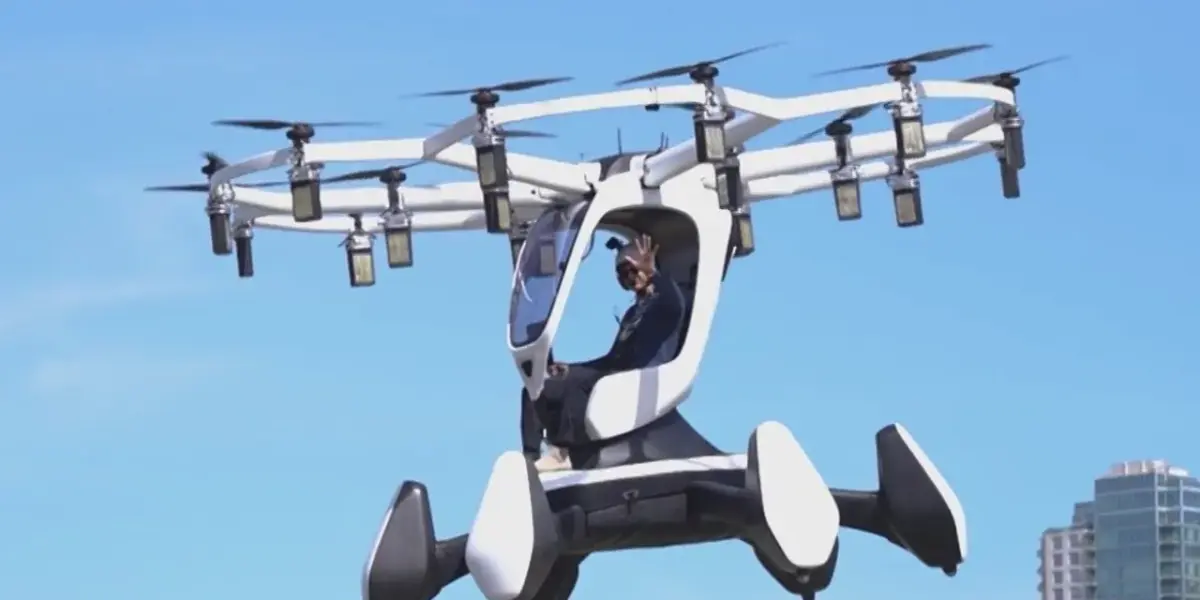
The dream of flying cars, a staple of science fiction for decades, is moving closer to reality. The Federal Aviation Administration (FAA) has launched a major pilot program. This initiative is designed to test new types of aircraft, including electric vertical takeoff and landing vehicles, often called eVTOLs. Transportation Secretary Sean Duffy announced the nationwide program, marking a significant step toward integrating these advanced aircraft into our daily lives.
eVTOLs: The Future of Flight
eVTOLs are essentially small, electric aircraft that can take off and land vertically, much like a helicopter. However, they are designed to be quieter, more efficient, and potentially much cheaper to operate than traditional helicopters. Companies like Lift Aircraft are already developing these vehicles. They see a huge demand, with thousands of people on waiting lists to fly or even buy them. James McCann, a former U.S. Air Force pilot, has spent years working on this technology. He describes it as a “cartoon character kind of thing” finally coming to life.
Transforming Transportation and Emergency Services
The potential applications for eVTOLs are vast. While personal use is a long-term goal, one of the most immediate uses could be in emergency response. Imagine paramedics or firefighters reaching accident scenes much faster. These vehicles could also offer a more cost-effective and quieter alternative for travel within cities. Training to pilot these new aircraft is surprisingly quick. McCann mentioned that it only took about 30 minutes to learn. This suggests that emergency medical technicians (EMTs) could be trained to fly them relatively easily.
Building the Regulatory Framework
Before flying cars can become commonplace, robust rules and regulations are essential. The FAA’s pilot program is a crucial first step in this process. It will involve testing in 26 states, creating one of the largest real-world environments for evaluating these new aircraft. Initially, eVTOLs will be piloted by humans. However, the long-term vision is for them to become autonomous, flying without a pilot. This program aims to gather data and identify challenges to ensure safe integration into the existing air traffic system.
Global Impact and Future Scenarios
The success of this pilot program could reshape urban transportation worldwide. It may lead to new air taxi services, faster emergency responses, and a reduction in road congestion. Other countries are also exploring similar technologies, suggesting a global race to develop and implement advanced air mobility. While the initial focus is on safety and regulation, the long-term economic implications are significant, potentially creating new industries and jobs. The transition from science fiction to science fact is underway, promising a future where the sky is no longer a limit but a new frontier for travel.
Historical Context
The idea of personal aerial vehicles isn’t new. From the Jetsons to Back to the Future, popular culture has long imagined a world with flying cars. Early concepts date back to the 1950s and 60s, but technological and regulatory hurdles kept them in the realm of fantasy. Now, advancements in battery technology, electric propulsion, and autonomous systems are making these vehicles technically feasible. The FAA’s structured pilot program echoes past efforts to integrate new aviation technologies, like the development of commercial air travel, by carefully testing and establishing safety standards.
Economic Considerations
While the exact costs are still being determined, eVTOLs are expected to be significantly cheaper to operate than helicopters. This lower cost, combined with potential government support and private investment, could make them accessible for a wider range of applications. The development of this new sector also presents economic opportunities, from manufacturing and maintenance to piloting and air traffic management. The waitlists for these aircraft indicate strong market interest, suggesting a viable economic future for this technology.
Looking Ahead
The FAA program is a cautious but determined step. It acknowledges the excitement around flying cars while prioritizing safety and regulation. The journey from testing to widespread adoption will likely take years. Challenges remain in areas like public acceptance, noise pollution, and ensuring the security of autonomous flight systems. However, the commitment shown by the FAA and transportation officials signals a serious intent to make the vision of personal flight a reality. The future of transportation may indeed be airborne.
Source: FAA pilot program clears way for flying cars to take off | Morning in America (YouTube)

Related Articles

Air Traffic Control Crisis Exposed by LaGuardia Crash
A fatal crash at LaGuardia Airport involving an Air Canada flight and a fire truck has exposed deep-seated staffing shortages within the FAA's air traffic control system. The incident, which killed two pilots, is prompting a closer look at controller workload and the decades-old problem of understaffing.

Air Travel Chaos: System Pushed to the Brink
The U.S. air travel system is under immense strain due to TSA staffing shortages and outdated infrastructure, leading to long passenger lines and operational disruptions. While back pay for TSA agents offers potential relief, experts warn that long-term retention and significant modernization efforts are crucial for stabilizing the system.


Air Disasters Expose Trump Admin’s Dangerous Safety Neglect
A series of air disasters under the Trump administration highlights a dangerous neglect of air travel safety. Critics argue that misplaced priorities, focusing on superficial issues instead of critical infrastructure upgrades, put the public at risk and jeopardize the economy.