Radio 2 Star Sacked After Past Allegations Surface
BBC Radio 2 presenter Scott Mills has been fired following the emergence of historical sexual offense allegations involving a minor. The investigation, closed in 2019 due to insufficient evidence, reportedly relates to incidents from the late 1990s. Media lawyer Jonathan Code suggests the BBC's swift action was a response to past mistakes and the need to protect its family-friendly brand.

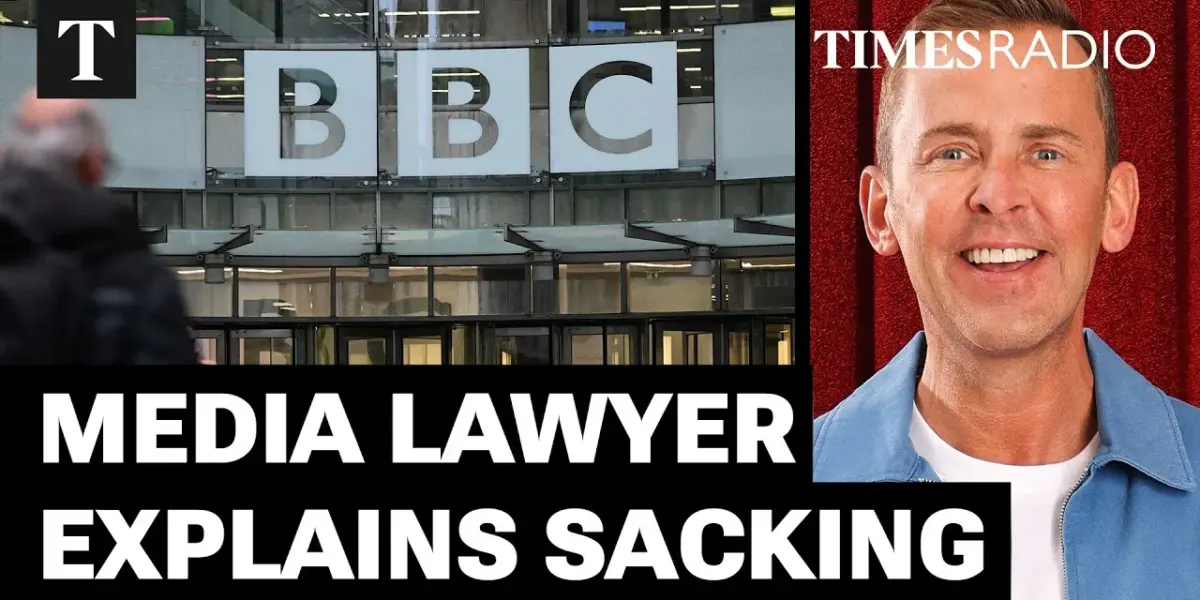
Radio 2 Star Sacked Amid Past Allegations
BBC Radio 2 presenter Scott Mills has been fired by the broadcaster following the emergence of historical allegations of serious sexual offenses. The Metropolitan Police confirmed that a teenage boy, who was under 16 at the time of the allegations, was at the center of the investigation. The investigation, which began in 2016 and was closed in 2019 by the Crown Prosecution Service (CPS) due to insufficient evidence, reportedly relates to incidents between 1997 and 2000.
Mystery Surrounds Timing of Revelation
The timing of these allegations becoming public has puzzled many, especially media lawyer Jonathan Code, who previously represented Philip Schofield during his public crisis. “This puzzles me,” Code stated, noting that the story was broken by The Mirror newspaper. He highlighted that while the CPS closed the investigation years ago, its resurfacing now remains a mystery. “I don’t think I’ve got an answer to it, but it is a true mystery,” Code admitted.
BBC’s Swift Action: Learning from Past Mistakes
Code suggested that the BBC’s swift decision to sack Mills likely stems from lessons learned from previous high-profile cases involving its presenters, such as Jimmy Savile, Rolf Harris, and Hugh Edwards. “We were perhaps a bit slow,” Code commented on the BBC’s past handling of such issues. “So we just need to get rid of him straight away. And that’s what they’ve done.” He emphasized that unlike the other cases, Mills has not been charged or found guilty of any offense.
Could the BBC Have Known?
It is highly unlikely that the BBC was aware of the investigation before the Mirror’s report. “I can’t imagine Scott Mills would have told them,” Code explained. He noted that there would be no criminal record entry for a closed investigation from decades ago. Therefore, the BBC was likely unaware of the situation until the story broke, leaving them with little choice but to act decisively.
Summary Dismissal and Contractual Clauses
The nature of Mills’s dismissal, described as a “summary dismissal,” raises questions about employment law. Normally, employees are protected from unfair dismissal and employers must follow a thorough process. Code suggested the BBC might be taking a risk and could face an unfair dismissal claim, potentially leading to a payout for Mills. He also pointed to standard clauses in celebrity contracts that protect employers against behavior that brings them into disrepute. “This has brought the BBC into disrepute, and therefore you’re fired,” Code predicted would be the rationale in Mills’s dismissal letter.
Radio 2’s Family-Friendly Image
The specific issue for Radio 2, Code explained, is its broad, family-friendly appeal. The station aims to reach listeners of all ages, from children to grandparents. “This is the specific problem, isn’t it, for Radio 2,” he stated. Given this demographic, even a hint of serious allegations makes it impossible for the BBC to keep a presenter like Mills on air. This is similar to why figures like Jimmy Savile, Rolf Harris, and Hugh Edwards, who also had significant public-facing roles, were removed from broadcasting.
High Standards and Reputation Management
Code stressed that the BBC sets very high standards for its presenters and takes allegations of this nature extremely seriously. The alternative to immediate dismissal would have been a lengthy independent investigation, with Mills suspended during that time. However, given the intense media scrutiny and potential headlines from rival publications, Code believes the BBC had no choice but to sack Mills immediately to avoid further reputational damage. “So it had to be done,” he concluded.
Moral vs. Practical Disclosure
The question of whether individuals should disclose past issues when seeking high-profile roles was also discussed. Morally, Code agreed that candor about past failings is important. However, from a practical standpoint, he doubted Mills would have disclosed this information on his CV, as it would likely jeopardize his career prospects. He also considered whether the BBC failed by hiring Mills without knowing about his past, but again, noted the extreme difficulty in discovering such information.
What’s Next?
The focus now shifts to whether Scott Mills will pursue an unfair dismissal claim against the BBC. It also remains to be seen how the BBC will fill the significant vacancy on its flagship Radio 2 breakfast show, a move that will undoubtedly be closely watched by the industry and its listeners.
Source: Lawyer Who Defended Philip Schofield Breaks Down Every Detail Of Scott Mills Sacking (YouTube)

Related Articles
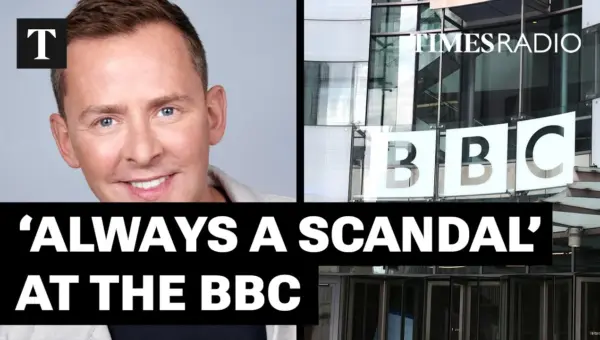
Ex-DJ Scott Mills Fired Amid Sexual Offense Probe
Radio 2 DJ Scott Mills has been fired by the BBC amid reports linking his dismissal to a 2016 police investigation into sexual offense allegations. The case was dropped due to insufficient evidence at the time, leaving the reasons for his sudden firing unclear. A journalist who interviewed Mills last year described him as 'too nice' for the current media climate.

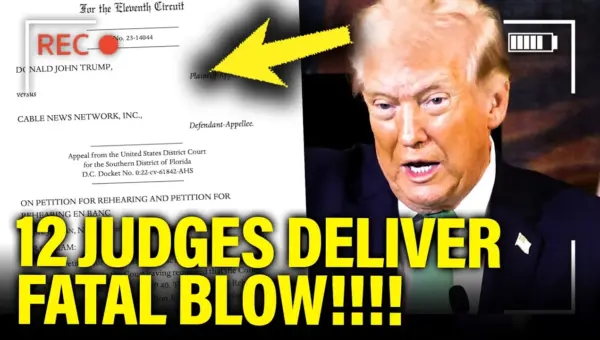
Judges Unite Against Trump in Defamation Case Blowout
Donald Trump faced a significant legal defeat as all 12 judges on the 11th Circuit Court of Appeals rejected his attempt to revive a defamation case against CNN. This ruling, stemming from CNN's labeling of his election fraud claims as "the big lie," underscores a pattern of setbacks in Trump's numerous lawsuits against media organizations.

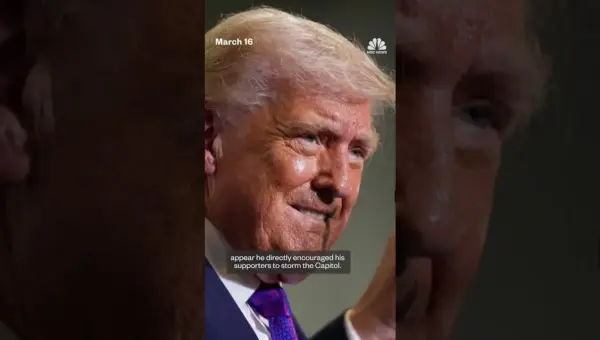
BBC Fights Trump’s $10B Defamation Lawsuit, Seeks Dismissal
The BBC is asking a U.S. court to dismiss former President Donald Trump's $10 billion defamation lawsuit. Trump alleges a BBC documentary defamed him by editing a speech to falsely suggest he incited the Capitol riot. The broadcaster argues the documentary never aired in the U.S.