Zelenskyy Outmaneuvers Trump on Global Stage
Ukrainian President Zelenskyy is forging new defense and energy partnerships in the Middle East while strengthening European ties. This strategic diplomacy aims to secure Ukraine's future and counter Russian aggression, offering expertise in drone warfare. These moves come as former U.S. President Trump's policies are seen by some as benefiting Russia, creating a complex global security environment.

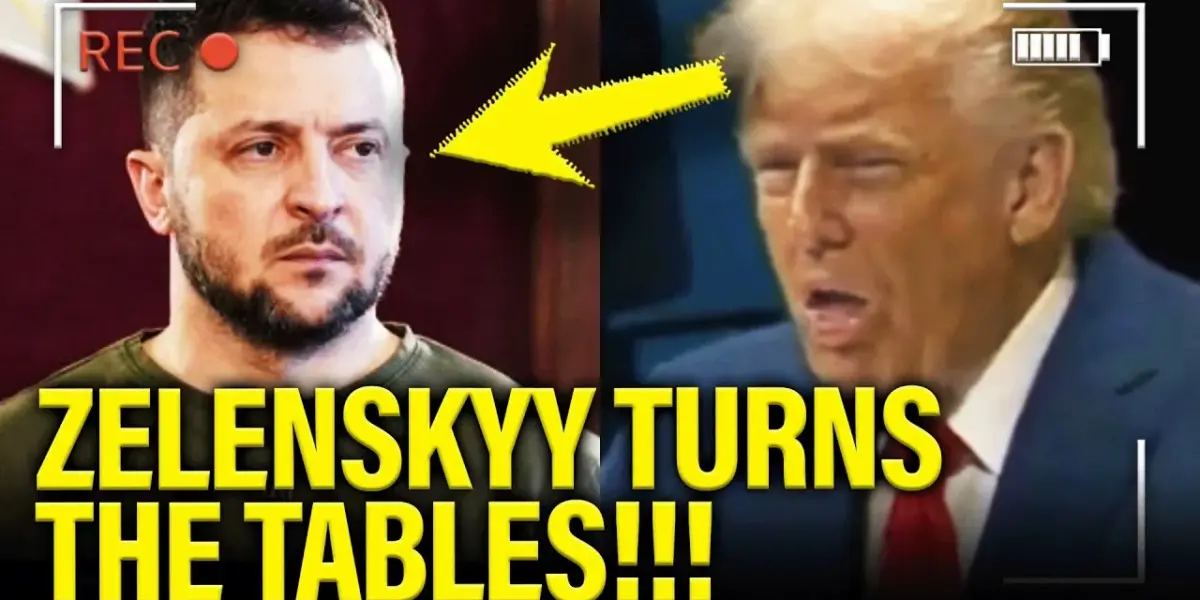
Ukraine’s Leader Forges New Alliances Amidst Shifting Geopolitics
Ukrainian President Volodymyr Zelenskyy has recently made significant moves on the international stage, particularly in the Middle East. This comes at a time when former U.S. President Donald Trump has taken actions that appear to benefit Russia, such as lifting sanctions on Russian oil and allowing Russian tankers into Cuba. These actions have created a complex geopolitical situation where Ukraine is seeking new partnerships and strengthening its own defense capabilities.
Zelenskyy’s Middle East Diplomacy
In response to what is perceived as a weakening of security commitments to the Middle East by the United States under Trump’s influence, Zelenskyy has actively engaged with several key Arab nations. He visited Qatar, Saudi Arabia, the United Arab Emirates, Jordan, and Kuwait. During these visits, he offered Ukraine’s expertise in combating drone warfare, a growing threat from countries like Iran. Zelenskyy advised these nations that their current methods of intercepting drones, like the Iranian Shahed drones, could quickly deplete their missile reserves. He stressed the importance of focusing on newer technologies, such as interceptor drones and netting systems, to counter drone swarms effectively.
These diplomatic efforts have resulted in substantial agreements. Zelenskyy announced landmark deals with Saudi Arabia, the UAE, and Qatar, with ongoing negotiations and additional requests from Bahrain and Oman. These agreements are not just about prestige; they are practical steps toward mutual security. Ukraine is exporting its defense systems, combat experience, and knowledge. In return, these partner countries are expected to provide reciprocal security engagement. The deals include strengthening air defenses, joint development of defense production, and crucial energy cooperation, including vital diesel supplies.
“For Ukraine, this is not only a matter of prestige and respect for our people. It is a very practical matter. We are exporting our system of protection – the skills of our warriors, the knowledge that our state possesses.” – Volodymyr Zelenskyy (paraphrased)
Ukraine’s Drone Warfare Expertise
Ukraine has become a leader in developing and utilizing advanced drone technology for both offensive and defensive operations. The country has faced significant challenges from Russian forces using Iranian-supplied drones and missiles. In response, Ukraine has developed sophisticated methods to counter these threats. Zelenskyy highlighted that Ukraine’s armed forces have become highly effective in securing its own Black Sea corridor, a model they are now sharing with Middle Eastern partners concerned about securing the Strait of Hormuz.
Ukraine’s experience in fighting drone swarms and FPV (first-person view) drones, often supplied by Iran to Russia, has given them unique expertise. This knowledge is now being shared globally. The country is not only using advanced drones to strike Russian positions but also employing interceptor drones, netting, and jammers to defend against incoming threats. This practical, battle-tested knowledge is a valuable export for Ukraine.
Zelenskyy’s Response to Sanctions and Attacks
The narrative presented suggests that Donald Trump’s actions, such as removing sanctions on Russian oil, have created an environment where Russia can more easily finance its war efforts. Simultaneously, Ukraine has intensified its drone attacks on Russian oil export infrastructure. Zelenskyy has stated that Ukraine’s strikes are a response to the ongoing aggression and the global energy crisis. He indicated that if Russia ceases attacks on Ukraine’s energy infrastructure, Ukraine would reciprocate by reducing its own strikes on Russian energy targets.
Zelenskyy has also reiterated Ukraine’s openness to discussing a ceasefire, including an “energy ceasefire” and a “food security ceasefire.” He emphasized that Ukraine has consistently sought peace since the beginning of the conflict, but Russia has not shown a similar willingness, aiming instead to occupy Ukrainian territory. Ukraine maintains that it is defending itself against an unprovoked invasion.
Broader European Cooperation
Beyond the Middle East, Zelenskyy is also strengthening ties within Europe. He recently spoke with Finnish President Alexander Stubb about enhancing European security and coordination. Zelenskyy stressed that Ukraine is a critical nation for Europe’s security, possessing crucial knowledge and experience in modern warfare, particularly against drone threats. He believes that coordinated action among European nations is essential to strengthen the continent’s defense capabilities.
The discussions with Finland also touched upon security incidents, including drone activity in Finnish territory, indicating a shared understanding and a commitment to information sharing. This collaboration aims to reinforce Europe’s collective security and leverage Ukraine’s frontline experience.
Criticism and Geopolitical Alignments
The transcript notes criticism directed at Ukraine and Zelenskyy from figures associated with Donald Trump, such as Don Jr., who have questioned the use of aid sent to Ukraine. This is contrasted with Zelenskyy’s diplomatic and military efforts. The analysis suggests that actions perceived as favoring Russia, such as lifting sanctions and engaging with Russian officials, are seen as detrimental to Ukraine and its allies.
Furthermore, the text points to alleged support from some American political figures, including Donald Trump, J. Vance, and Marco Rubio, for far-right parties in Europe, such as Germany’s AfD. This is framed as an effort to undermine the European Union, aligning with Russian interests. The narrative suggests a stark contrast between Zelenskyy’s efforts to build international support and defense partnerships and actions by some American figures that are seen as weakening Western alliances and aiding Russia.
Why This Matters
Zelenskyy’s proactive diplomacy in the Middle East and Europe demonstrates Ukraine’s resilience and strategic foresight. By offering valuable defense expertise, Ukraine is not only securing its own future but also establishing itself as a key player in global security. These actions challenge the narrative that Ukraine is solely dependent on Western aid, showcasing its capacity to generate its own resources and forge independent alliances. The shifting geopolitical landscape, influenced by actions from figures like Donald Trump, highlights the increasing importance of such strategic partnerships for nations facing aggression. Ukraine’s ability to adapt and innovate in defense, particularly in drone warfare, positions it as a vital partner for countries seeking to enhance their security against modern threats.
Implications and Future Outlook
The developments suggest a potential realignment of global security partnerships. Ukraine’s success in securing long-term deals with Middle Eastern nations could inspire similar agreements with other countries seeking advanced defense solutions. This could lead to a more diversified global defense market, with Ukraine emerging as a significant exporter of defense technology and expertise. The ongoing conflict in Ukraine continues to drive innovation in military technology, especially in drone warfare. As nations grapple with increasing drone threats, Ukraine’s experience and solutions will likely be in high demand. The future may see Ukraine playing a more prominent role in international security architecture, not just as a recipient of aid but as a provider of security solutions.
Historical Context
The current geopolitical tensions echo historical patterns of shifting alliances and power plays. The post-World War II era saw the establishment of strong security alliances, like NATO, aimed at collective defense. However, in recent years, there have been challenges to these established structures and a rise in multipolar international relations. The U.S. withdrawal from certain international agreements and its shifting foreign policy under different administrations have created opportunities for other global actors to assert influence. Ukraine’s situation, framed as a struggle against a larger aggressor, is also part of a longer history of Eastern European nations seeking security and sovereignty in the face of powerful neighbors. The current focus on drone warfare is a modern manifestation of evolving military strategies, moving beyond traditional ground and air combat to incorporate autonomous and swarm technologies.
Source: Zelenskyy TURNS THE TABLES on Trump for WAR BETRAYAL!!! (YouTube)

Related Articles

Middle East Tensions Spark War Fears, Drive Gas Prices Skyward
Rising tensions in the Middle East, particularly concerning Iran and the Strait of Hormuz, have led to a significant increase in gas prices, with the national average hitting $4 a gallon. Defense officials have called the upcoming days "decisive" in the conflict, signaling potential escalation. The FBI also reports that a recent synagogue attack was inspired by Hezbollah, highlighting domestic security concerns.
Trump Pushes Europe Towards Gulf Conflict
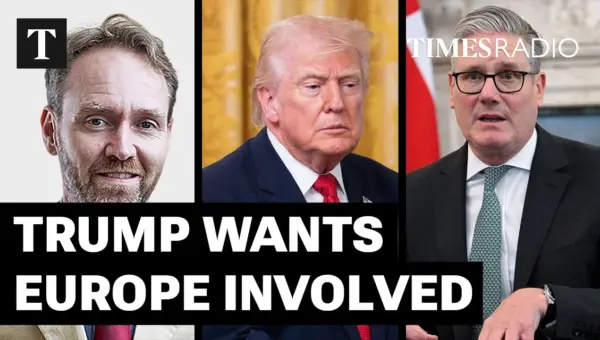
Donald Trump is urging European allies, particularly the UK, to take a more active role in the Middle East, suggesting direct confrontation in the Strait of Hormuz. As the US faces military strain, Trump employs his unique 'weave' communication style, using diversions to manage public perception and diplomatic pressure. The article also contrasts British expatriate experiences in the US with those in Europe, noting surprising hospitality in America versus perceived negativity and resentment in some European cities.
Trump’s Strait of Hormuz Ultimatum: Buy US Oil or Fight
President Trump has issued a stark ultimatum regarding the Strait of Hormuz, urging nations reliant on its oil to buy from the US or take action themselves. This follows intensified US strikes and diplomatic offers to Iran, signaling a new phase in regional tensions.