Rubio Sparks NATO Debate After Iran Conflict
Senator Marco Rubio has sparked a debate on the future of NATO, calling for a U.S. re-evaluation of the alliance after the recent conflict with Iran. Critics argue Rubio's stance contradicts his past positions, while former diplomats defend NATO's historical support for the U.S. and express concern over the current state of American diplomacy.

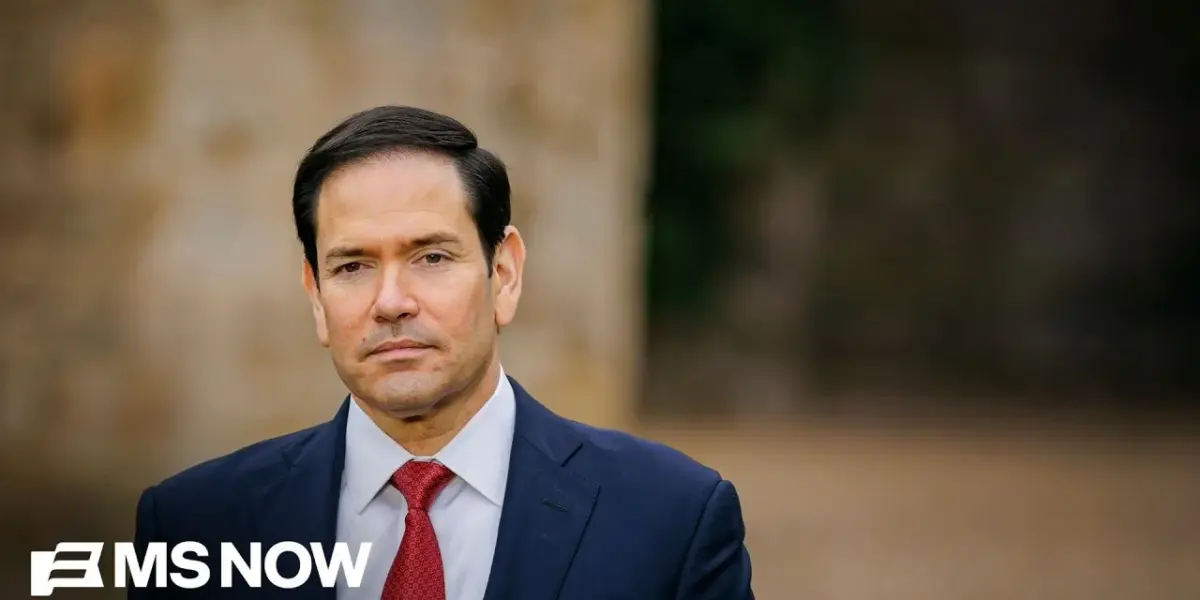
Rubio Calls for NATO Re-evaluation
Following the recent conflict with Iran, U.S. Senator Marco Rubio has called for a critical re-examination of the North Atlantic Treaty Organization (NATO). Rubio suggested that the United States needs to reassess its commitment to the alliance, especially after what he described as disappointing actions by some NATO and European Union countries during the critical moment.
“The president in our country will have to re-examine all of this after this operation is over,” Rubio stated. He highlighted that a key benefit of NATO is providing the U.S. with crucial basing rights for military contingencies. These rights allow for the stationing of troops, aircraft, and weapons in strategically important global locations.
However, Rubio questioned the value of the alliance if NATO members deny the U.S. basing rights when needed. “That’s not a very good arrangement. That’s a hard one to stay engaged and say this is good for the United States,” he commented, indicating that the entire structure of NATO’s benefits for the U.S. will require thorough review.
Criticism and Defense of NATO’s Role
Rubio’s remarks have drawn sharp criticism from various commentators and former diplomats. Some have accused him of contradicting his long-standing positions on foreign policy and authoritarian regimes. Specifically, his recent visit to Hungary, where he praised Prime Minister Viktor Orbán, has been highlighted. Orbán is often described as anti-Western, illiberal, and an autocrat.
“It’s just a reminder that this is also the same guy… who went to Hungary and praised Orban,” one commentator noted, questioning how Rubio’s actions align with his previously stated anti-authoritarian stance. The report also pointed to Hungary’s close ties with Moscow, further fueling the debate around Rubio’s foreign policy alignment.
Conversely, supporters of NATO emphasize its historical importance and the benefits it has provided to the United States. They point to NATO’s role in defeating the Soviet Union during the Cold War, citing the fall of the Berlin Wall and the eventual dissolution of the USSR as direct results of the alliance’s strength and unity.
“NATO is founded upon one thing in particular that’s Article 5,” a commentator explained. Article 5, the collective defense clause, has been invoked exactly once in NATO’s history, to support the United States after the 9/11 attacks. This event saw every NATO ally pledge to help the U.S., with many joining the fight in Afghanistan.
Historical Alliances and Support
The transcript repeatedly stresses the historical solidarity of NATO allies with the United States, particularly in times of crisis. Following the 9/11 attacks, NATO invoked Article 5, and all member nations joined the U.S. in Afghanistan. Some allies, like Denmark, even experienced higher per capita casualties than the U.S. during that conflict.
Nicholas Burns, former U.S. Ambassador to NATO and Iran policy lead, shared his personal experience. “We were hit really hard. The allies stood up for us. Every single one of them went into Afghanistan with us,” Burns recalled. He also mentioned Canada’s significant contributions and sacrifices in Kandahar, a Taliban stronghold, despite facing strained relations with the Trump administration.
Burns expressed his pain over recent criticisms of NATO by President Trump, particularly his remarks about the British Prime Minister. “We need our allies and we have to respect them and listen to them,” Burns advised, emphasizing the importance of mutual respect within the alliance. He argued that expecting allies to support the U.S. in conflicts like the one with Iran, without prior consultation or strong existing relationships, is unrealistic.
Concerns Over U.S. Diplomacy
Beyond the NATO debate, concerns have been raised about the state of American diplomacy under the current administration. Former diplomats and commentators suggest that the Foreign Service has been weakened, with experienced officers sidelined or dismissed.
Nicholas Burns described the situation as the U.S. Foreign Service being “at our weakest point in 102 years.” He cited instances like the meeting with the Iranian foreign minister before the conflict began, where no experienced Iran negotiators were present. “That’s diplomatic malpractice,” Burns stated, highlighting a perceived lack of reliance on career diplomats with deep knowledge of foreign powers.
The absence of U.S. ambassadors in several key Middle Eastern countries, due to the dismissal and non-replacement of experienced Foreign Service officers, is also seen as a significant diplomatic failure. This situation, critics argue, leaves the U.S. ill-prepared to handle complex international crises and undermines its global standing.
Looking Ahead
The debate surrounding NATO’s future and the effectiveness of U.S. foreign policy is likely to continue. Senator Rubio’s call for re-examination signals a potential shift in how the U.S. views its alliances. Meanwhile, former diplomats urge a renewed focus on strengthening the Foreign Service and valuing the expertise of career diplomats to navigate future global challenges.
Source: U.S. must re-examine NATO after the war with Iran, says Secy. Rubio (YouTube)

Related Articles

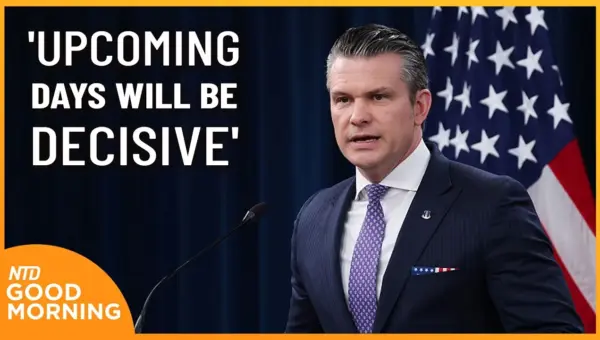
Middle East Tensions Spark War Fears, Drive Gas Prices Skyward
Rising tensions in the Middle East, particularly concerning Iran and the Strait of Hormuz, have led to a significant increase in gas prices, with the national average hitting $4 a gallon. Defense officials have called the upcoming days "decisive" in the conflict, signaling potential escalation. The FBI also reports that a recent synagogue attack was inspired by Hezbollah, highlighting domestic security concerns.
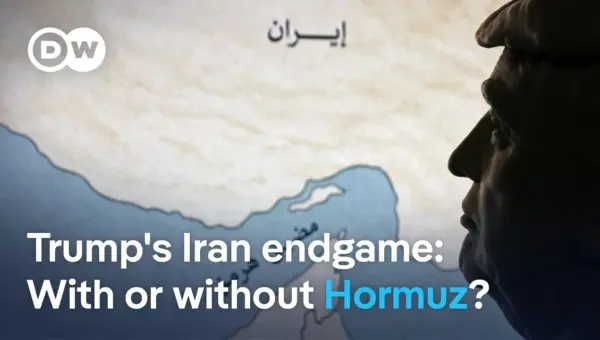
US Weighs Iran Strategy: Hormuz Strait’s Fate Uncertain
The United States is reportedly reconsidering its strategy in the Iran conflict, potentially willing to end hostilities even if the Strait of Hormuz remains closed. This critical oil choke point's closure has trapped thousands of vessels, causing global economic disruption and raising questions about U.S. war objectives. Military action remains a strong possibility to reopen the vital waterway.
Trump Weighs War Crime Threat Over Iran Strait
President Trump is reportedly willing to accept the continued closure of the Strait of Hormuz, despite earlier threats, signaling a shift in U.S. demands. This comes as gas prices surge and markets react negatively to the ongoing conflict. Conflicting messages from within the administration fuel confusion about the war's objectives and exit strategy.