Middle East Tensions Spark War Fears, Drive Gas Prices Skyward
Rising tensions in the Middle East, particularly concerning Iran and the Strait of Hormuz, have led to a significant increase in gas prices, with the national average hitting $4 a gallon. Defense officials have called the upcoming days "decisive" in the conflict, signaling potential escalation. The FBI also reports that a recent synagogue attack was inspired by Hezbollah, highlighting domestic security concerns.

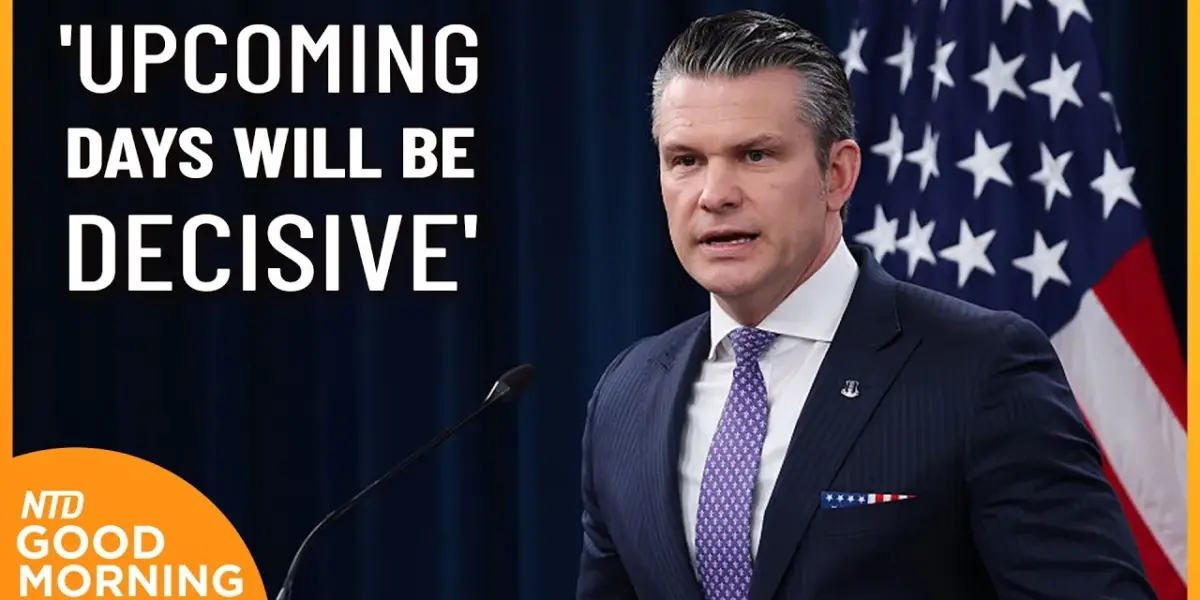
Middle East Tensions Spark War Fears, Drive Gas Prices Skyward
The world is watching the Middle East with growing concern as top U.S. defense officials declare that “the upcoming days will be decisive” in the conflict with Iran. This strong statement from Defense Secretary Pete Hegseth and General Dan Caine, Chairman of the Joint Chiefs of Staff, signals a potential escalation in an already tense region. President Trump has also weighed in, urging other nations to secure their own oil supplies by taking control of the crucial Strait of Hormuz. This waterway is vital for global oil shipments, and any disruption there can have far-reaching consequences.
One of the most immediate impacts of these rising tensions is being felt at the gas pump. The national average price for a gallon of gas has surged to $4, a level not seen since August 2022. This marks a significant jump of over a dollar in just the past month. Experts point to the conflict in the Middle East and its disruption of global energy supplies, particularly through the Strait of Hormuz, as the main driver behind these price increases. This situation echoes past energy crises where geopolitical instability directly translated into higher costs for consumers worldwide.
Historical Context: Oil and Geopolitics
The relationship between oil prices and global conflicts is a long and complex one. For decades, the Middle East has been a focal point for international politics due to its vast oil reserves. Events like the 1973 oil crisis, triggered by an Arab oil embargo, and the 1979 surge in prices following the Iranian Revolution, demonstrated how instability in the region could quickly affect economies far beyond its borders. The current situation, with tensions high and key shipping routes threatened, highlights how these historical patterns continue to play out in real-time. The Strait of Hormuz, through which a significant portion of the world’s oil passes, remains a critical choke point where geopolitical events can have immediate economic repercussions.
Domestic Concerns: Extremism and Security
Beyond the international stage, the transcript also touches upon a disturbing domestic issue. The FBI has stated that an attack on a synagogue in Michigan earlier this month was inspired by the Hezbollah terror group. Investigators identified the suspect as Ayman Ghazali, who allegedly targeted Temple Israel in West Bloomfield due to its large congregation. Reports suggest Ghazali spent days planning the attack, researching synagogues and even looking up service times. This development underscores the persistent threat of religiously and politically motivated extremism, and how international conflicts can sometimes fuel such acts of violence domestically.
Why This Matters
The confluence of escalating international conflict and rising domestic security concerns presents a challenging outlook. For everyday citizens, the most tangible effect is the rising cost of gasoline, impacting household budgets and the broader economy. Higher energy prices can lead to increased costs for transportation, goods, and services, potentially fueling inflation. On a national security level, the declaration of “decisive days” in the conflict with Iran suggests a period of heightened risk and uncertainty. The potential for wider conflict in the Middle East could further destabilize global energy markets and increase the threat of terrorism. The FBI’s findings about the synagogue attack also highlight the need for vigilance against extremist ideologies that can incite violence both abroad and at home.
Implications, Trends, and Future Outlook
The current situation points to several key trends. First, the global energy market remains highly sensitive to geopolitical events, especially those involving major oil-producing regions. Any significant disruption in the Middle East will likely continue to translate into higher fuel costs for consumers and businesses. Second, the interconnectedness of global events means that conflicts far away can have direct impacts on domestic security, as seen with the alleged inspiration for the Michigan synagogue attack. This suggests a need for continued focus on both international diplomacy and domestic counter-terrorism efforts.
Looking ahead, the coming days are indeed critical. The decisions made by world leaders in response to the escalating tensions in the Middle East will shape not only regional stability but also global energy security and economic conditions. The potential for further price hikes at the pump remains high if the conflict intensifies or if shipping lanes are significantly compromised. Furthermore, the threat of extremist ideologies acting as a catalyst for violence, both internationally and domestically, is a trend that requires ongoing attention and proactive measures from law enforcement and intelligence agencies.
Source: Hegseth: 'Upcoming Days Will Be Decisive'; Gas Prices to $4 A Gallon | NTD Good Morning (March 31) (YouTube)

Related Articles


Trump’s Strait of Hormuz Ultimatum: Buy US Oil or Fight
President Trump has issued a stark ultimatum regarding the Strait of Hormuz, urging nations reliant on its oil to buy from the US or take action themselves. This follows intensified US strikes and diplomatic offers to Iran, signaling a new phase in regional tensions.

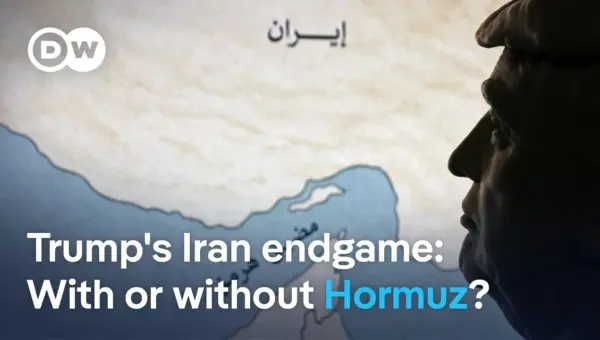
US Weighs Iran Strategy: Hormuz Strait’s Fate Uncertain
The United States is reportedly reconsidering its strategy in the Iran conflict, potentially willing to end hostilities even if the Strait of Hormuz remains closed. This critical oil choke point's closure has trapped thousands of vessels, causing global economic disruption and raising questions about U.S. war objectives. Military action remains a strong possibility to reopen the vital waterway.


Hezbollah’s Shadow: How Terror Group Inspired Michigan Synagogue Attack
The FBI has determined that the recent truck attack on a Michigan synagogue was inspired by the Hezbollah terror group. The suspect, Aean Gazali, targeted Temple Israel with gasoline and fireworks, but was stopped by security guards. The attack underscores the dangers of online radicalization and foreign influence.