Trump Pushes Europe Towards Gulf Conflict
Donald Trump is urging European allies, particularly the UK, to take a more active role in the Middle East, suggesting direct confrontation in the Strait of Hormuz. As the US faces military strain, Trump employs his unique 'weave' communication style, using diversions to manage public perception and diplomatic pressure. The article also contrasts British expatriate experiences in the US with those in Europe, noting surprising hospitality in America versus perceived negativity and resentment in some European cities.

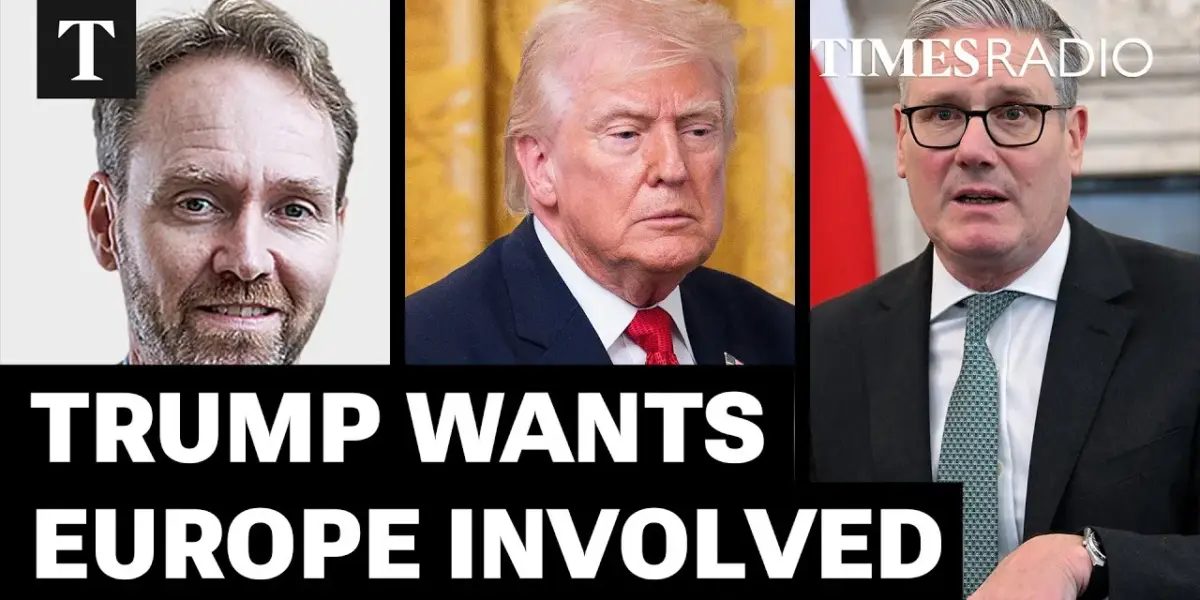
Trump Urges Allies to Join Middle East Action
Donald Trump has publicly called on the United Kingdom and other European nations to increase their involvement in the Middle East. In a recent post on his social media platform, Truth Social, Trump urged the UK to secure its own oil supplies and directly confront threats in the Strait of Hormuz. He suggested, “Buy from the US. We have plenty.” He also advised them to “build up some delayed courage. Go to the straight and just take it.” This statement comes as tensions remain high in the region, with the US seeking greater support from its traditional allies.
US Seeks European Support Amid Military Strain
David Charter, Assistant US Editor for The Times, explained in a recent interview that Trump’s statements are a clear attempt to draw European nations further into the Gulf conflict. The US military faces its own challenges, including the temporary loss of a key aircraft carrier, the USS Gerald R. Ford, due to a significant fire. This has led to a need to replenish American forces, which have already used vast amounts of military supplies. Trump’s calls for support are seen as a direct appeal to traditional allies to step up their contributions.
Shifting War Aims and Diplomatic Tactics
Charter also noted Trump’s past statements regarding war aims in Iran. Initially, the goals were set as crippling Iran’s nuclear and missile capabilities, and weakening its navy. However, the closure of the Strait of Hormuz became a significant issue during the conflict, something Trump may not have fully anticipated. This situation provides him with a strategic fallback. He can point to the necessity of keeping the strait open as an international issue, especially if he feels he did not receive adequate support from allies. This approach is described as a “very Trump way of negotiating,” which, while familiar, remains challenging for his allies.
Trump’s Communication Style: The ‘Weave’
The interview touched upon Trump’s distinctive communication style, often characterized by diversions or what he calls “the weave.” This involves long anecdotes and seemingly light-hearted stories, such as his detailed account of a negotiation with the Sharpie pen company over custom pens. While some might see this as erratic, Charter suggests it’s a deliberate tactic. Trump uses these diversions to entertain his base, create alternative media talking points, and maintain the appearance of mental acuity, contrasting himself with political opponents.
A Master of Diversion?
Charter described this as a strategic move. Trump believes his supporters enjoy these anecdotes. He often uses familiar stories, like mimicking Emmanuel Macron’s voice, to connect with his audience. This technique allows him to appear witty and in control, even when discussing complex issues. It also serves to distract from potentially more critical news, giving him a tactical advantage in managing public perception and media coverage.
British Experience Abroad: US vs. Europe
The conversation shifted to Charter’s experiences as a British journalist living and working in the US and Europe. He found that in less cosmopolitan parts of America, his British accent often sparks fascination and hospitality. People are eager to learn about his background, leading to pleasant conversations and open doors. This contrasts with his experiences in Brussels and Berlin.
Resentment in Europe?
Charter recounted instances in Brussels where he and his family were turned away from seemingly empty restaurants. He also noted a general sense of negativity towards British expatriates in both Brussels and Berlin. He believes this stems partly from local resentment towards newcomers with higher salaries occupying desirable housing. In East Berlin, he witnessed instances where landlords displaced long-term German residents to rent to foreigners at higher rates, fostering a sense of unease.
Culinary Comparisons: Rural Germany vs. Rural US
When asked to compare food in small-town Eastern Germany and the rural United States, Charter offered a candid, if unflattering, assessment. He recalled a trip to rural Ohio for a teacher training course where the most appealing menu item was a salad that turned out to be mostly cheese with a few hidden lettuce leaves. He admitted that he has not found the food in the “sticks” of Germany or the US particularly appetizing, often preferring to return to the UK for familiar meals.
Source: Trump Is Trying To Drag Europe Into A War | David Charter (YouTube)

Related Articles
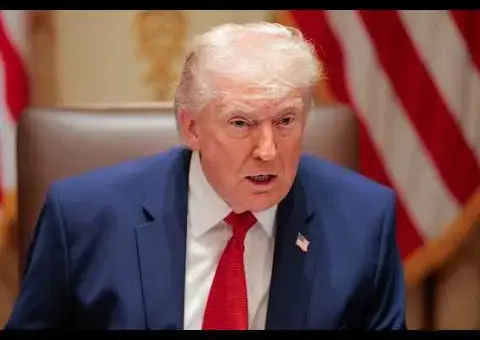
Trump’s Strait of Hormuz Ultimatum: Buy US Oil or Fight
President Trump has issued a stark ultimatum regarding the Strait of Hormuz, urging nations reliant on its oil to buy from the US or take action themselves. This follows intensified US strikes and diplomatic offers to Iran, signaling a new phase in regional tensions.
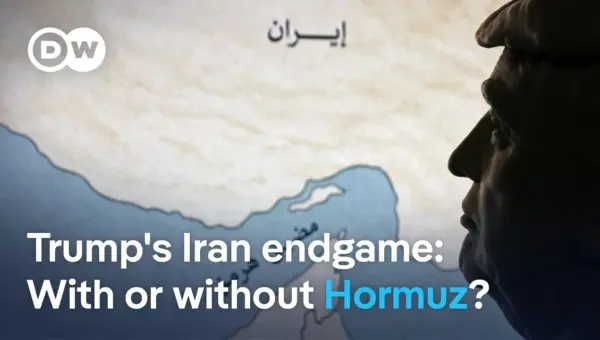
US Weighs Iran Strategy: Hormuz Strait’s Fate Uncertain
The United States is reportedly reconsidering its strategy in the Iran conflict, potentially willing to end hostilities even if the Strait of Hormuz remains closed. This critical oil choke point's closure has trapped thousands of vessels, causing global economic disruption and raising questions about U.S. war objectives. Military action remains a strong possibility to reopen the vital waterway.
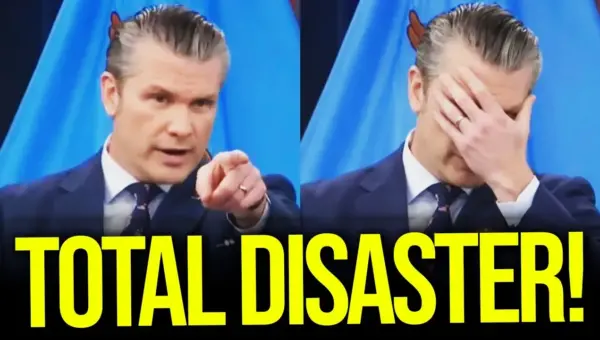
Hegseth Undermines Trump’s War Plans Daily
Pete Hegseth, Trump's Secretary of Defense, is reportedly undermining the former president's stated war plans with Iran. Conflicting timelines, shifting objectives, and ethical questions surrounding financial dealings create significant uncertainty. This situation highlights the challenges of clear communication and strategic consistency in national security.