GOP Eyes Party-Line DHS Funding to Sidestep Democrats
Republicans are considering a party-line strategy to fund the Department of Homeland Security (DHS) through budget reconciliation. This move aims to bypass Democrats and secure funding for the next three years, removing a key point of leverage in future negotiations and potentially setting a precedent for partisan legislation.

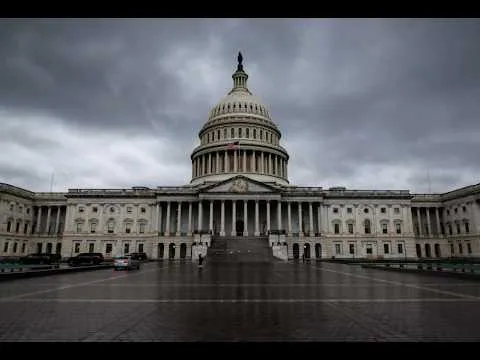
GOP Explores Party-Line Path for DHS Funding
Lawmakers are heading home for a break, but the pressure to reopen the Department of Homeland Security (DHS) is still on. With TSA workers now funded, Republicans are looking for a way to bypass Democrats and fund the entire DHS. This new strategy aims to secure funding for the department until President Trump’s current term ends.
A Shift in Strategy: Bypassing the Opposition
Following disagreements among Republicans in the House and Senate, Senator John Hovind announced a new plan. Republicans intend to bypass Senate Democrats entirely. This isn’t just about funding for ICE anymore; they now want to fund the whole DHS for the next three years, without any Democratic support.
This move is possible through a budget reconciliation process. Republicans can use this method as long as they control the Senate, the White House, and the House. They currently hold these positions. Reconciliation bills can pass the Senate with a simple majority vote. This is the same process that was used for a major tax bill last year.
The Goal: Remove Leverage, Ensure Stability
Senator Hovind, a key member of the Senate Appropriations Committee, explained the main goal. He stated the aim is to take away the leverage that Democrats have in DHS funding debates. “The key there is that we not only fund DHS for this next year, but for three years so the Democrats can’t have yet another Schumer shutdown and do this,” Hovind said. This means securing funding for a longer period to prevent future government shutdowns over the issue.
Why Now? Understanding the Delay
The question arises: if this option was available, why wasn’t it used sooner? Using budget reconciliation for regular appropriation bills is unusual. Senate Majority Leader Mitch McConnell noted that this process can be very complicated and time-consuming, often taking months to complete.
The budget process usually involves disagreements, but the current situation is described as exceptionally difficult. This is why Republicans are considering this more complex approach for DHS funding. The government had already been shut down for 45 days, marking the longest shutdown in history.
Shifting Pressures and Future Negotiations
The pressure on lawmakers to reach a deal between parties has actually decreased recently. This is partly because President Trump signed an executive order to ensure TSA employees received their pay. The chaos at airports during the shutdown was a major point of pressure that had previously caused seven Democrats to break ranks and vote to reopen the government.
While the Senate is now adjourned for a few weeks, negotiations will continue. If a bipartisan agreement cannot be reached, Republicans are prepared to move forward with their party-line strategy.
Why This Matters
This situation highlights a growing trend in Washington: the use of procedural tools to advance policy goals when bipartisan consensus is absent. The budget reconciliation process, typically reserved for fiscal matters like taxes and spending, is being considered for a contentious policy issue like border security funding. This can lead to faster passage of legislation but also risks further political polarization.
Historical Context and Trends
Government shutdowns have become a recurring feature of American politics, often tied to major policy debates. The DHS funding issue, in particular, has been a flashpoint due to disagreements over border security. The use of reconciliation for appropriations, while technically possible, is rare and can face procedural hurdles. This move by Republicans signals a willingness to explore all available options to achieve their objectives, even if it means a more contentious legislative path.
Implications and Future Outlook
If Republicans succeed in passing DHS funding through reconciliation, it could set a precedent for future legislative battles. It might embolden parties to use similar tactics to overcome opposition, potentially leading to more partisan legislation. Conversely, the complexity and time required for reconciliation could still make it a difficult path. The ability of Republicans to maintain party unity and navigate the reconciliation process will be crucial. The outcome will likely influence how future funding debates and policy disputes are handled in a divided government.
Source: Republicans Eyeing Party-Line Solution to Reopen DHS (YouTube)

Related Articles


DHS Shutdown Hits Day 46: Congress Flees Recess
The Department of Homeland Security (DHS) faces its longest-ever shutdown on day 46 as lawmakers depart for an Easter recess. House Republicans rejected a Senate funding bill, demanding more robust funding for ICE and CBP, leading to a stalemate that has left critical agencies without full appropriations.


Trump Threatens Iran; TSA Workers Get Back Pay
Tensions escalate in the Middle East as President Trump threatens severe action against Iran if a deal isn't reached, while Iran denies ongoing U.S. negotiations. Meanwhile, TSA workers receive partial back pay amid a prolonged government shutdown, and lawmakers face scrutiny over potential insider trading in online prediction markets.


Trump’s War Focus Alienates MAGA Base, Fuels Protests
Frustration is mounting as President Trump's focus on foreign wars clashes with domestic needs and promises to his MAGA base. Protests like 'No Kings' highlight public anger over war spending, rising costs, and neglected issues, while Democrats seek common ground on practical solutions.