Hegseth Undermines Trump’s War Plans Daily
Pete Hegseth, Trump's Secretary of Defense, is reportedly undermining the former president's stated war plans with Iran. Conflicting timelines, shifting objectives, and ethical questions surrounding financial dealings create significant uncertainty. This situation highlights the challenges of clear communication and strategic consistency in national security.

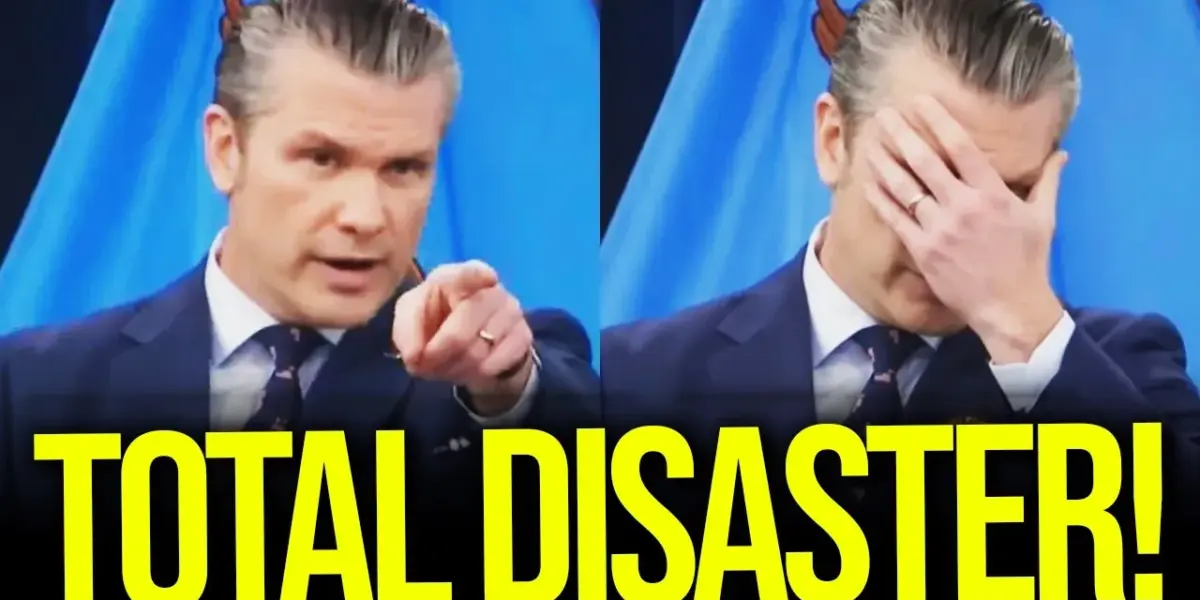
Hegseth Undermines Trump’s War Plans Daily
There’s a growing concern that Donald Trump’s plans for a potential war with Iran are being questioned and even contradicted by his own Secretary of Defense, Pete Hegseth. This isn’t just a minor disagreement; it appears to be a consistent pattern where Hegseth’s public statements about the war’s goals and timeline don’t match what Trump has been saying. This confusion is happening in real-time, leaving many to wonder what the actual strategy is.
Conflicting Timelines and Shifting Goals
One of the main points of conflict is the timeline for military operations. Trump has often mentioned specific timeframes, like “4 to 6 weeks” or “6 to 8 weeks.” However, Hegseth has downplayed the importance of these exact numbers, suggesting that the precise timeline isn’t something that should be revealed. He has also spoken about the goals of the war in ways that differ from Trump’s initial statements. For example, Hegseth has mentioned reopening the Strait of Hormuz as a key objective. This wasn’t the original stated goal, suggesting that the mission has changed or that the initial objective wasn’t met.
The idea of reopening the Strait of Hormuz also raises questions about needing “boots on the ground,” which implies a more extensive military operation. This could mean a significant shift from what was initially presented to the public. The transcript points out that Trump himself has sometimes spoken about different goals, like regime change or dealing with an “imminent threat,” making it hard to follow the official narrative.
“Open the Strait. That’s the goal.”
This statement, attributed to Hegseth, directly contrasts with earlier, more aggressive objectives. The author of the transcript suggests that if the Strait of Hormuz is closed, it’s because the initial mission failed so badly that a new, less ambitious goal had to be created. This is compared to a situation where someone breaks a friend’s car and then brags about replacing the windshield wipers.
Questionable Financial Dealings
Adding to the controversy, there are reports suggesting that Hegseth may have used insider knowledge about a potential strike on Iran for personal financial gain. According to sources, Hegseth’s broker contacted BlackRock about investing in a military exchange-traded fund (ETF) in the weeks before a US-Israeli attack on Iran. While this ETF has seen gains over the past year, it has also fallen since the conflict in the Middle East began. This raises serious ethical questions about whether a high-ranking defense official would use sensitive information for financial investments, especially when those investments appear to have lost money.
Trump’s “America First” Approach and Allied Relations
The situation is further complicated by Trump’s “America First” rhetoric. He has suggested that other countries, like the United Kingdom, should take more responsibility for securing important waterways like the Strait of Hormuz. Trump implied that the US shouldn’t have to bear the full burden and that allies should “build up some delayed courage” and “just take it.” This suggests a move away from traditional alliances and a call for greater self-reliance among nations.
However, the transcript argues that this perspective ignores historical context. It points out that NATO allies have repeatedly supported the US, especially after 9/11, when Article 5 was invoked. The author questions why Trump is now suggesting allies won’t help when they have a history of doing so. Furthermore, there’s a criticism that the US, under Trump, has been perceived as destabilizing global affairs and then expecting allies to help clean up the mess, rather than proactively working together.
“You’ll have to learn how to fight for yourself. The USA won’t be there to help you anymore, just like you weren’t there for us.”
This quote from Trump highlights his stance on allies not stepping up. However, the transcript counters that European countries have been asking for help with situations like Ukraine for years, and the US has not always provided significant support. The narrative then becomes one of shifting blame and expecting others to handle crises that the US may have helped create.
Mission Creep and Strategic Ambiguity
The concept of “mission creep” is central to the criticism. This is when the goals and objectives of a military operation expand beyond the original plan, often leading to longer timelines, increased costs, and greater risks. The transcript argues that Hegseth’s statements, particularly about the flexibility of the timeline and the evolving goals, contribute to this problem. When the stated objective shifts from something like “destroying military capabilities” to simply “opening the Strait of Hormuz,” it suggests a lack of clear strategy or a failure to achieve initial aims.
The defense offered for this lack of clarity is often “strategic ambiguity” – the idea that not revealing all plans keeps adversaries guessing. However, the transcript dismisses this as a lazy excuse for not having a coherent strategy at all. It’s likened to a student who fails all their assignments and then claims they’re just waiting to show their knowledge on the final exam. The author suggests that Pete Hegseth might not be hiding a strategy, but rather, he may not have one.
Why This Matters
The conflicting messages from top defense officials create significant uncertainty, not just for the public but also for allies and adversaries. A clear and consistent strategy is crucial for deterring aggression, managing international relations, and ensuring the responsible use of taxpayer money and military resources. When leaders speak with different voices on matters of war and peace, it can undermine trust, embolden enemies, and lead to unintended consequences. The potential for mission creep and the ethical questions surrounding financial dealings further highlight the need for transparency and accountability in national security decisions.
Trends and Future Outlook
This situation reflects a broader trend in political communication, where messaging can be inconsistent and often driven by different agendas. The rise of independent media and platforms like Truth Social allows for direct communication but also bypasses traditional journalistic scrutiny, making it harder to track and verify official statements. The debate also touches on the future of international alliances and the balance of burden-sharing in global security. As nations grapple with complex threats, the need for clear, unified leadership and strategic foresight becomes even more critical. The lack of a defined strategy could lead to prolonged conflicts, increased geopolitical instability, and a greater risk of miscalculation.
Source: Pete Hegseth Blows Up Trump's Plan On Accident (YouTube)

Related Articles
Oil Shocks Fuel Recession Fears, Markets Wobble
Soaring oil prices are rattling global markets, pushing major indices toward correction territory and sparking fears of a recession. Experts warn that prolonged energy shocks, particularly concerning the Strait of Hormuz, could severely impact economic growth. Investors are advised to maintain diversified portfolios and cash buffers.
US Strikes Iran’s Secret Sites, Threatening Strait of Hormuz Control
The United States has launched significant strikes against secret Iranian facilities, utilizing advanced bombers and electronic warfare aircraft. Despite these attacks, Iran continues its aggression, and concerns are rising over control of the vital Strait of Hormuz, a crucial waterway for global oil transport.
Trump’s World Order Collapse Sparks Global Chaos
Donald Trump's foreign policy decisions have shattered the post-WWII global security framework, leading to international distrust and economic instability. Allies question U.S. reliability as conflicts escalate and trade disputes arise, impacting global markets and national security.