Hezbollah’s Shadow: How Terror Group Inspired Michigan Synagogue Attack
The FBI has determined that the recent truck attack on a Michigan synagogue was inspired by the Hezbollah terror group. The suspect, Aean Gazali, targeted Temple Israel with gasoline and fireworks, but was stopped by security guards. The attack underscores the dangers of online radicalization and foreign influence.

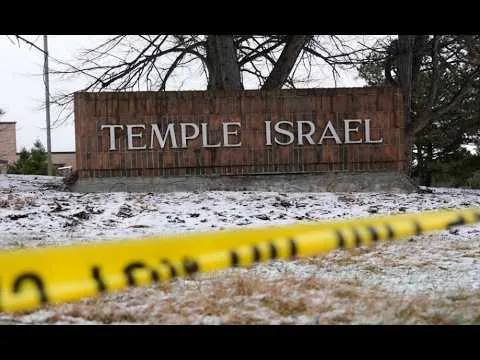
Hezbollah’s Shadow: How Terror Group Inspired Michigan Synagogue Attack
The attack on a Michigan synagogue earlier this month has sent shockwaves, and the FBI now says it has a clear motive. Investigators believe the suspect, 41-year-old Aean Gazali, was inspired by the Hezbollah terror group. This revelation adds a chilling layer to an already disturbing event.
Targeting the Jewish Community
The FBI stated that the attack on Temple Israel in West Bloomfield was a “Hezbollah inspired act of terrorism.” The group specifically targeted the Jewish community and the largest Jewish temple in Michigan. Hezbollah is a well-known terrorist organization based in Lebanon, with significant backing from Iran. Investigators believe Gazali chose Temple Israel because of its large congregation. The synagogue also serves as a learning center for preschool-aged children, making it a particularly vulnerable target.
A Planned Assault
Authorities report that Gazali spent days planning this attack. He researched synagogues and even looked up the time when lunch was served at Temple Israel. Just minutes before launching his assault, investigators say Gazali sent a video detailing his intentions. In the video, he stated he would forcibly enter the building and kill as many people as possible. He then drove a truck filled with gasoline and fireworks into the synagogue and began firing through his windshield.
Heroic Security Guards
The situation could have been far worse. Two quick-thinking security guards at the synagogue engaged Gazali in a shootout. This brave response prevented further harm. At the time of the attack, more than 100 children and staff were inside the building. Miraculously, none of them were injured. Authorities have credited the synagogue’s security team for their preparedness and swift actions. They highlighted that the lack of additional fatalities is a testament to their readiness.
The Suspect’s Motivation
Investigators revealed that Gazali ultimately took his own life during the attack. Prosecutors emphasized that his goal was to kill as many Jewish people as he could. His final statements indicated he was on a “special operation” to achieve this. Officials found no evidence that Gazali had any accomplices or a prior criminal record. He was not on any watch lists, which raises questions about how such an individual could carry out such an act.
Digital Footprints of Extremism
The investigation uncovered a disturbing digital trail. Gazali’s phone and the videos he watched were filled with Hezbollah propaganda. The FBI reviewed over 100 pieces of digital evidence and conducted more than 100 interviews with people who knew Gazali. This extensive investigation supports the assessment that the attack was indeed inspired by the terror group’s ideology.
Why This Matters
This incident highlights the persistent threat of religiously motivated extremism. It shows how foreign terrorist groups can influence individuals far from their own borders. The attack serves as a stark reminder that extremist ideologies can spread through online propaganda, reaching vulnerable individuals anywhere. The fact that Gazali had no prior record and wasn’t on a watchlist suggests a potential gap in current security monitoring. It raises concerns about how to identify and intervene with individuals radicalized online before they act.
Historical Context and Future Outlook
Terrorist groups like Hezbollah have a long history of inspiring attacks globally. They often use propaganda to recruit and motivate individuals who may feel alienated or angry. This method of spreading influence without direct operational command is a growing concern for law enforcement worldwide. The ability of such groups to incite violence from afar makes tracking and preventing attacks more challenging. Future efforts will likely need to focus more on online radicalization and identifying individuals susceptible to extremist messaging. Community awareness and strong security measures, like those in place at Temple Israel, remain crucial in preventing such tragedies.
Source: Man Who Crashed Truck Into Michigan Synagogue Was Inspired by Hezbollah, FBI Says (YouTube)

Related Articles

Munich ’72 Olympics: Terror’s Darkest Hour
The 1972 Munich Olympics, meant to showcase peace, became a scene of horror when Black September terrorists killed 11 Israeli athletes. This tragic event exposed security flaws and marked a turning point in global terrorism.

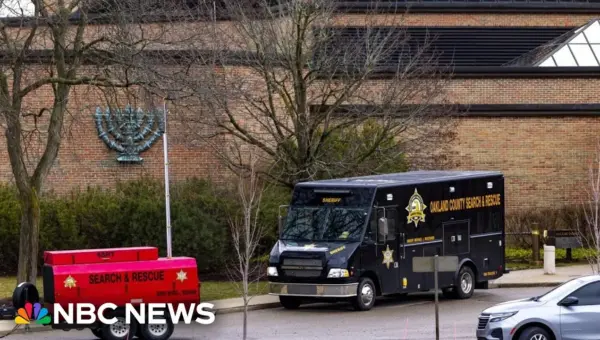
FBI: Michigan Synagogue Truck Attack Was Hezbollah-Inspired Terrorism
The FBI has classified the March truck ramming attack on a Michigan synagogue as a Hezbollah-inspired act of terrorism. The attacker, who died by suicide during a shootout with security, sent disturbing messages before the assault, expressing intent to kill as many Jewish people as possible. The investigation revealed his radicalization was fueled by family losses in Lebanon and exposure to extremist media.

FBI Expert: Back Door Was Entry, Not Exit in Nancy Guthrie Case
A former FBI agent suggests the back door of Nancy Guthrie's home was an entry point, not an exit, indicating multiple perpetrators. The brother's military background and Savannah Guthrie's interview are key points of analysis in the ongoing investigation.