Trump’s World Order Collapse Sparks Global Chaos
Donald Trump's foreign policy decisions have shattered the post-WWII global security framework, leading to international distrust and economic instability. Allies question U.S. reliability as conflicts escalate and trade disputes arise, impacting global markets and national security.

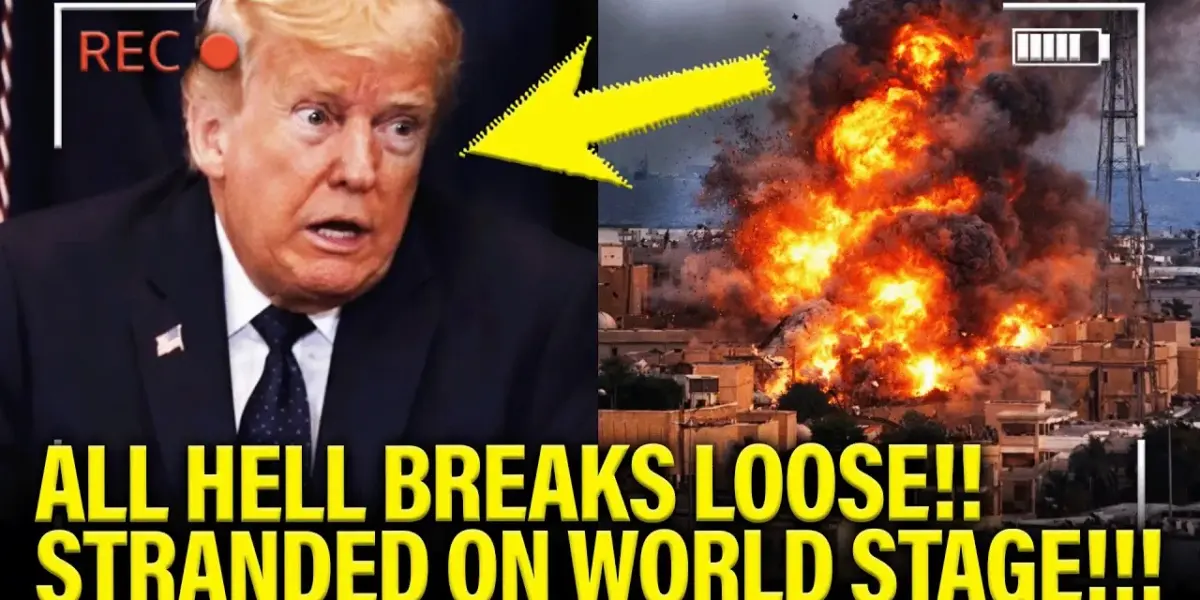
Trump’s Foreign Policy Shatters Global Stability
The world is facing a crisis of confidence as former President Donald Trump’s foreign policy decisions have dramatically altered the global security and economic landscape. Critics argue that Trump has dismantled the post-World War II security framework that relied on U.S. leadership and promises of protection. This, in turn, has led to increased global instability and economic uncertainty, impacting everything from international trade to the flow of capital.
Allies Question U.S. Reliability
For decades, the United States provided a security umbrella for its allies, which helped foster global economic growth and investment. However, statements from various world leaders suggest this trust has been broken. The former Prime Minister of Sweden, for example, has voiced grave concerns, describing Trump’s social media posts as threats of war crimes. This raises serious questions about whether American troops would follow unlawful orders, particularly regarding attacks on civilian infrastructure.
Economic Fallout and International Condemnation
The economic consequences of these actions are being felt worldwide. World leaders are openly criticizing Trump, blaming him for pushing the global economy toward recession or even depression. Ukraine’s President, using diplomatic language, called actions like lifting sanctions on Russian oil while Russia supports attacks on American interests in the Middle East “strange.” This suggests a deep distrust and a perception of betrayal, especially as these attacks target nations with American military ties and American soldiers.
Middle East Instability and Shifting Alliances
The situation in the Middle East is particularly volatile. Following a conflict involving Iran, Italy’s defense minister expressed sleepless nights over the potential economic and daily life impacts. Germany’s Chancellor warned that the effects on Europe could be as severe as the COVID-19 pandemic. In response to a U.S.-led war in Iran, the Trump administration reportedly asked Arab nations to pay for the costs. However, countries like the United Arab Emirates and Saudi Arabia stated their expectation was for the U.S. to provide security, not demand payment for its own actions. They felt betrayed, having relied on the U.S. security promise for years.
Israel Strained, U.S. Resources Depleted
Even close allies like Israel are showing signs of strain. The Israeli military’s chief of staff indicated that their troops are at a breaking point, facing potential breakdowns due to a lack of supplies. Meanwhile, U.S. interceptor reserves are projected to be depleted for years, and the daily cost of the conflict is immense. Iran, for its part, has openly mocked U.S. efforts, vowing to inflict significant economic pain.
Geopolitical Chess: Cuba, Venezuela, and Russia
Beyond the Middle East, Trump’s policies are creating friction elsewhere. Russia has reportedly bypassed a U.S. blockade on Cuba, landing a ship with much-needed supplies. This is seen as a direct challenge to U.S. influence, especially when compared to the strong stance taken during the Cuban Missile Crisis. In Venezuela, despite U.S. efforts to support democratic opposition leader Maria Corina Machado, there are concerns that Trump’s administration may not be prioritizing democracy, potentially favoring authoritarian allies or deals that benefit him personally.
Climate Policy Under Fire
Domestically, Trump’s administration has faced criticism for its environmental policies. Reports indicate that nearly $1 billion in taxpayer money is being used to cancel offshore wind projects in favor of boosting oil and gas production. These canceled projects could have powered over a million homes with clean energy. Critics argue this is a step backward, using public funds to hinder renewable energy development and worsen climate change, especially at a time when investing in renewables could enhance energy security.
Greenland Influence and Trade Disputes
Further complicating international relations, there are allegations of U.S. influence operations in Greenland aimed at fomenting a separatist movement. These operations, allegedly involving individuals with ties to Trump, have drawn protests from Denmark. On the trade front, the U.S. Trade Representative has criticized the World Trade Organization after talks on e-commerce tariffs failed. The U.S. sought to maintain a moratorium on tariffs for digital products, but Brazil blocked the extension, arguing for the right to impose tariffs if other nations do. This highlights a double standard, where the U.S. demands free trade for its digital exports while imposing tariffs on goods from other countries.
Iran’s Growing Strength and Global Economic Impact
The broader geopolitical implications are significant. Some analysts suggest Iran could emerge from the current conflict stronger and more dangerous. There are also reports of secret deals between Qatar and Iran, which may explain why attacks from Qatar have ceased while other nations continue to face aggression. Countries like Saudi Arabia and the UAE, despite their threats, appear paralyzed, lacking the capacity to sustain a prolonged conflict and exposed by the perceived weakening of the American security umbrella. This erosion of confidence in U.S. protection makes it harder for the U.S. to sell its bonds, potentially impacting its ability to manage its high national debt and affecting the global economy.
Why This Matters
The current global situation, as described, is deeply concerning. It shows a world grappling with the consequences of a fractured international order. The loss of trust in U.S. security guarantees and the economic fallout from conflicts and trade disputes affect everyone. This instability can lead to rising prices, reduced investment, and greater hardship for ordinary people. Understanding these complex connections is crucial for navigating the challenges ahead and for making informed decisions about foreign policy and economic strategy.
Looking Ahead
The future outlook suggests a period of continued uncertainty. As global powers reassess their alliances and security arrangements, new economic and political challenges are likely to emerge. The emphasis on renewable energy versus fossil fuels, the role of international organizations like the WTO, and the ongoing geopolitical tensions in various regions will shape the global landscape for years to come. Building global stability will require renewed efforts to foster cooperation, uphold international law, and ensure that economic policies benefit all nations, not just a select few.
Source: All HELL BREAKS LOOSE as Trump is LEFT STRANDED in WAR!!! (YouTube)

Related Articles
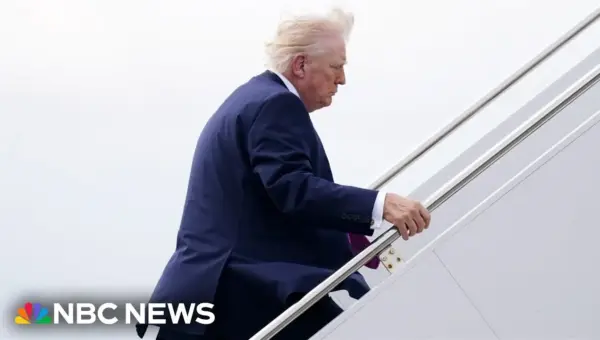
US Threatens Iran’s Infrastructure, Faces Diplomatic Backlash
U.S. President Trump has escalated rhetoric against Iran, threatening to destroy civilian infrastructure if a deal isn't reached, while Iran denies direct talks and calls proposals "unrealistic." Meanwhile, the Artemis II mission prepares for a historic lunar orbit, marking a new era of space exploration.
Hungary-Russia Collusion Alleged in Bid to Lift Sanctions
A new report alleges that Hungary's foreign minister colluded with Russia's Sergey Lavrov to lift EU sanctions on Russian oligarchs and entities. Intercepted calls, authenticated by experts, suggest Budapest acted as a Kremlin agent. The revelations surface as Hungary heads into a critical election, raising concerns about Russian interference and the country's future within the EU.
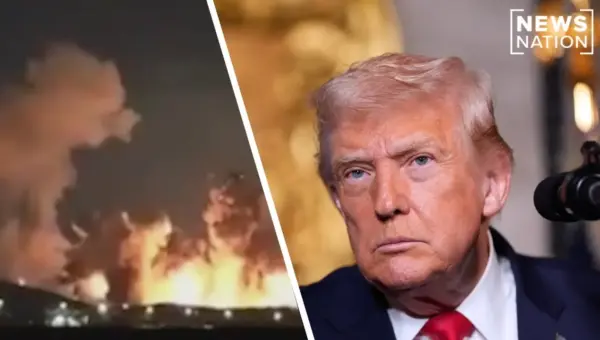
US Strikes Iran, Escalates Nuclear Fight
U.S. forces have reportedly struck a key Iranian city linked to its nuclear and missile programs, escalating tensions. President Trump's administration is increasing military pressure while also pursuing diplomatic talks, creating a complex geopolitical situation.