Reviving Archaic Views: The Danger of Denying Women the Vote
A recent discussion revealed a troubling viewpoint: that women should not have the right to vote, echoing dangerous historical rhetoric. This challenges the hard-won 19th Amendment and suggests power should be held by a select few. Protecting universal suffrage is vital for a democratic future.

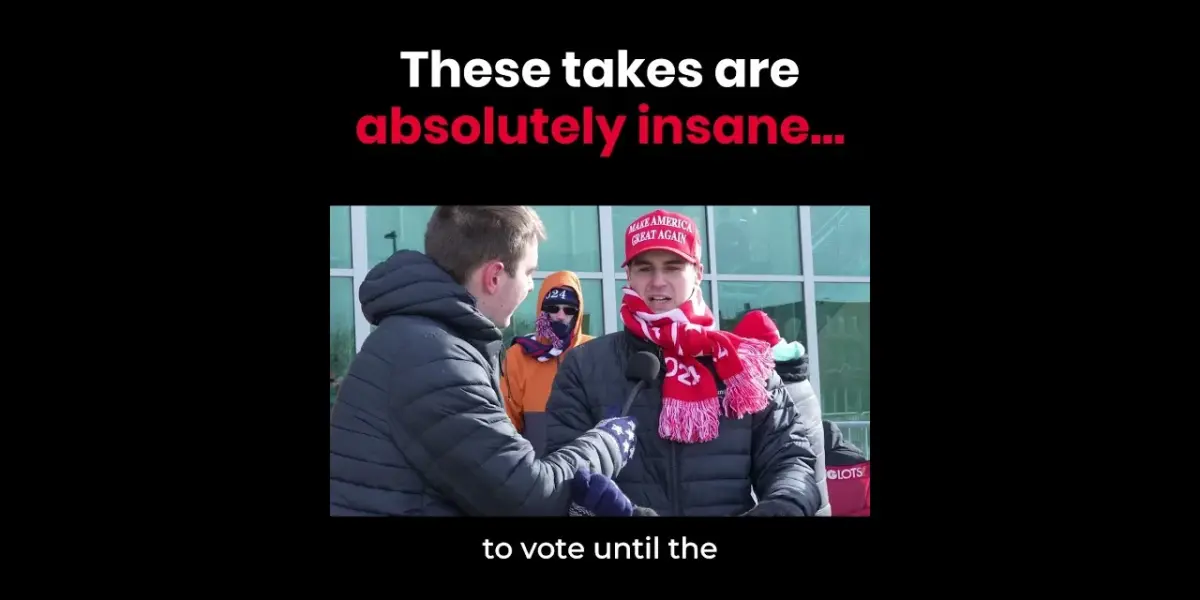
The Echo of Exclusion: A Modern Threat to Democracy
A recent online discussion brought to light a deeply troubling viewpoint: the idea that women should not have the right to vote. This isn’t just a casual opinion; it’s a call to roll back fundamental rights that were hard-won over generations. The speaker expressed concern that immigrants are “ruining” American culture and used the phrase “poisoning the blood of the country.” This kind of language echoes dangerous historical rhetoric used to exclude and dehumanize groups of people.
Historical Roots of Disenfranchisement
To understand the gravity of this statement, we need to look back. The founding fathers of the United States did not envision a democracy for all. They restricted voting rights for most people. This meant that women, regardless of their status or intelligence, were denied this basic civic duty. It took many years of struggle and activism before women finally gained the right to vote with the 19th Amendment in 1920. This amendment was a monumental step towards a more inclusive and representative democracy.
Challenging Progress: The 19th Amendment Under Fire
The speaker in the discussion openly stated they do not believe the 19th Amendment was a good thing. This is a direct challenge to a cornerstone of modern American society. The idea that all individuals, regardless of gender, race, or background, possess equal dignity under the law is a principle many Americans hold dear. The 19th Amendment was a recognition of this equal dignity, ensuring that women’s voices could be heard in the political process.
“Every woman, every person, women, men, black, white, whatever, has equal dignity under the law and before God.”
This sentiment, that everyone deserves equal respect and rights, stands in stark contrast to the speaker’s subsequent statements. While acknowledging equal dignity, the speaker quickly qualified this by saying it doesn’t mean everyone should have the same roles or influence in society. This is a subtle but significant distinction, opening the door to further exclusion.
Who Holds the Power? A Glimpse into an Undemocratic Future
When asked who *should* have influence, the answer became alarmingly clear. The speaker suggested that influence should be reserved for “Christian leaders” and, more specifically, “White Christian men.” This is not a vision of a diverse, representative democracy. It is a blueprint for an oligarchy, where power is concentrated in the hands of a very specific, narrow group. This perspective ignores the contributions and rights of everyone else in society.
Why This Matters
The resurgence of ideas that question fundamental rights like voting is a serious concern for any democratic society. When individuals, especially those with a platform, suggest rolling back progress, it can embolden others with similar regressive views. The rhetoric used, such as “poisoning the blood of the country,” is not just offensive; it’s a dangerous dog whistle that has historically been used to incite hatred and violence against minority groups. Such language distracts from real issues by scapegoating entire populations.
Implications and Future Outlook
The implications of such views are profound. If taken seriously, they threaten to dismantle decades of progress toward equality and representation. This could lead to policies that actively disenfranchise certain groups, making our government less responsive to the needs of all its citizens. It also risks normalizing discriminatory attitudes, making society less tolerant and more divided. The future outlook depends on how readily these ideas are challenged and rejected by the broader public. A society that values equality must actively defend the rights of all its members.
Historical Context and Background
The struggle for suffrage, the right to vote, is a long and complex chapter in history. For centuries, women were legally and socially barred from participating in government. Movements like the suffragettes fought tirelessly, facing imprisonment and public ridicule, to secure this basic right. The 19th Amendment was a victory, but the fight for full equality continued. Similarly, other groups, including racial minorities, had to fight for their voting rights, which were often suppressed through various means. The current resurgence of these exclusionary ideas suggests a need to constantly reaffirm the principles of universal suffrage and equal rights.
Conclusion: Defending Democracy’s Foundation
The idea that women should not vote is not just an outdated opinion; it’s an attack on the very foundation of a modern democratic society. The principles of equality, representation, and universal suffrage are not negotiable. We must recognize that progress is not always linear and that vigilance is required to protect the rights we have fought so hard to achieve. Embracing the idea that all voices matter is essential for a healthy and just future.
Source: He Thinks Women Shouldn't Vote… (YouTube)

Related Articles

Millions Protest ‘No Kings’ Movement, Demand Action
Millions of Americans participated in "No Kings" protests across all 50 states this past weekend, demanding action from elected officials and expressing concerns about democracy. Organizers report a significant influx of newly engaged citizens, aiming to translate this energy into votes during the upcoming midterm elections.

Senator Caught in Election Integrity Hypocrisy
Reporters questioned Senator JD Vance about his past support for certain voting identification methods as Ohio Secretary of State. The exchange revealed a discrepancy between his earlier actions and his current stance on election security, sparking debate about his consistency.


Massive ‘No Kings’ Protests Challenge Trump’s Grip
Millions of Americans participated in nationwide 'No Kings' protests, challenging perceived authoritarianism and demanding democratic rights. Despite attempts to dismiss the movement, the massive turnout across all 50 states signaled widespread public discontent and a strong desire for change.