Gulf Allies Urge Trump to Continue Iran Conflict
U.S. allies in the Persian Gulf are urging President Trump to intensify military action against Iran, believing Tehran has not been sufficiently weakened. The ongoing conflict raises concerns about regional stability and global energy prices, while questions linger about the administration's long-term strategy.

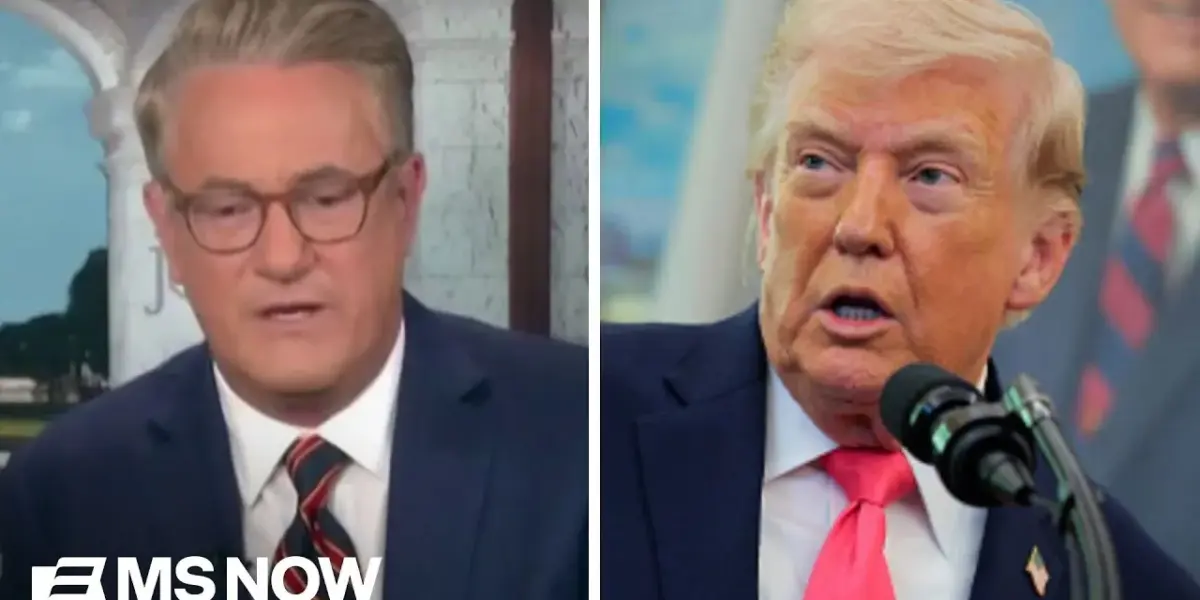
US Allies Push for Escalation Against Iran Amid Regional Tensions
Several key United States allies in the Persian Gulf are privately urging President Trump to intensify military action against Iran. Saudi Arabia, the United Arab Emirates, Kuwait, and Bahrain believe Tehran has not been sufficiently weakened, according to reports from U.S., Gulf, and Israeli officials. These nations initially expressed frustration over not being informed by the U.S. and Israel before potential conflict, but some now see the ongoing situation as a critical opportunity.
Differing Views on Strategy and Consequences
President Trump has expressed surprise at recent attacks, stating, “I was very surprised they got hit. And once they got hit, they started fighting very well.” He also mentioned strong communication with these countries. However, some reports suggest the President is considering withdrawing U.S. forces even if Iran maintains control of vital shipping lanes, a move that concerns many.
The strategic implications of leaving an “angry, injured, radical regime in place” in Iran are significant. Gulf allies argue for a complete dismantling of the current Iranian leadership, fearing a more radicalized Iran if the conflict ends prematurely. This push for continued engagement contrasts with the domestic pressure from rising gas prices, with average costs reaching $4 a gallon, impacting American consumers already struggling with affordability.
Lack of Clear Strategy and Long-Term Planning
Questions persist about the administration’s long-term strategy for dealing with Iran. Reports indicate that decision-making is often improvised, leading to mixed messages. While some officials suggest this is a tactic to confuse adversaries, others believe it reflects internal frustration and a desire to exit the conflict quickly.
The initial plan, according to sources, was to swiftly neutralize Iran’s regime and its regional capabilities. However, the situation has become more complex, with no clear exit strategy apparent. The Iranian military, while not a direct threat to the U.S., has demonstrated capabilities in asymmetrical warfare, including the use of drones, which have drawn in additional regional players.
Decades of Warnings Ignored
Experts and former officials point out that the current difficulties are not surprising. War games simulating attacks against Iran have been conducted since the 1979 revolution. These simulations consistently showed Iran’s ability to disrupt oil supplies and threaten global markets. The reported shock within the administration and on Capitol Hill is seen by some as a failure to heed these long-standing warnings.
“When people say they’re shocked… they are just dumb, they are stupid because they haven’t been seeing what everybody it’s the same thing with attacks… It wasn’t difficult to figure out.”
The potential for blowback, not just in the region but also in Europe, has been a consistent concern for over four decades. The idea that Iran would not retaliate or attack neighbors like Saudi Arabia and the UAE was, for many, an unrealistic assumption.
Regional Allies’ Stakes and Potential Ramifications of Withdrawal
The involvement of multiple regional parties, each with distinct interests, complicates any potential U.S. withdrawal. The Gulf states, who host U.S. forces, are not participating in offensive strikes but are deeply invested in the outcome. They would likely be furious if the U.S. were to suddenly disengage, leaving Iran in control of crucial shipping lanes and potentially empowering a more aggressive regime.
Abandoning the mission now, especially if Iran gains control of the Strait of Hormuz, would be seen as a significant failure. It would leave the U.S. in a weaker geopolitical position, having potentially degraded some Iranian military capabilities without achieving a strategic advantage. This outcome could embolden Iran to continue its aggressive actions, posing a persistent threat to its neighbors and potentially the West.
A Lose-Lose Proposition?
The current situation presents a difficult choice. Staying involved prolongs the conflict and its economic consequences, including high energy prices for consumers worldwide. However, a hasty withdrawal could lead to a more dangerous and unstable region, with Iran wielding greater influence over global energy markets.
The analogy to Venezuela, a situation some in the White House reportedly considered similar, is dismissed by analysts. Iran’s complex regional role and historical resistance mean a swift, decisive victory is unlikely. The repeated warnings from intelligence and military experts over decades underscore the predictable nature of Iran’s response and the potential consequences of engaging militarily without a clear, sustainable strategy.
Looking Ahead
The coming weeks will be critical in determining the administration’s next steps. The rising cost of energy and the pressure from Gulf allies will likely shape President Trump’s decisions. Whether the U.S. chooses to escalate, maintain the current posture, or seek a diplomatic resolution will have far-reaching implications for regional stability and the global economy.
Source: Joe: The administration shouldn't be shocked by the difficulties in fighting Iran (YouTube)

Related Articles

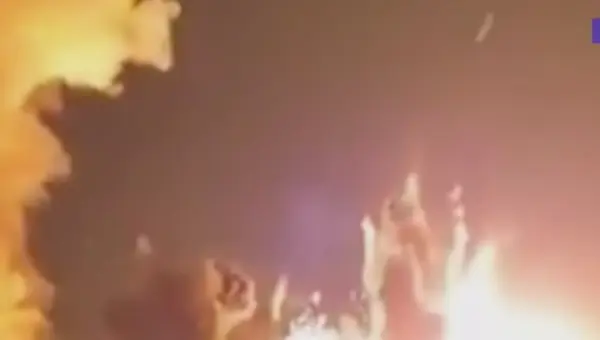
Middle East Conflict Sends Gas Prices Soaring Past $4
The national average gas price has surpassed $4 per gallon for the first time since 2022, driven by escalating conflict in the Middle East. Recent attacks on oil tankers and military strikes have heightened fears of energy supply disruptions, impacting consumers globally.
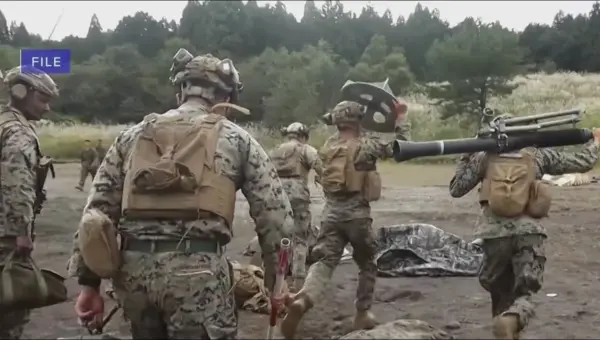
US Weighs Troop Deployment Amid Iran Deal Push
The U.S. is considering deploying ground troops to Iran while simultaneously pushing for a diplomatic deal to reopen the Strait of Hormuz. Air strikes are ongoing as President Trump increases pressure on Iran.

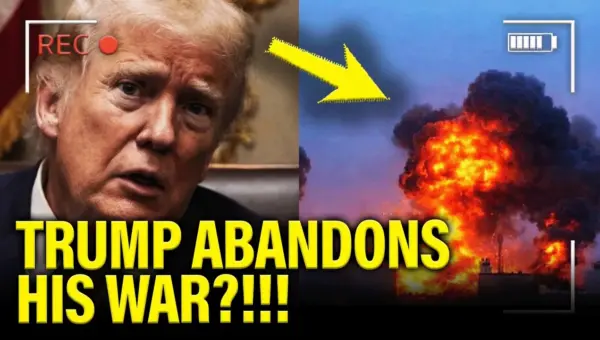
Trump’s Iran War Falters, Retreat Looms Large
Reports indicate a potential shift in the Trump administration's strategy regarding Iran, moving from ambitious military goals to a possible withdrawal. This pivot raises questions about effectiveness, regional stability, and the evolving nature of modern warfare.