MAGA Movement’s Grip: Echoes of January 6th Persist
Audio from January 6th reveals a disturbing justification for the actions of Ashli Babbitt, highlighting the persistent and troubling narratives within parts of the MAGA movement. This mindset continues to pose challenges to democratic norms.

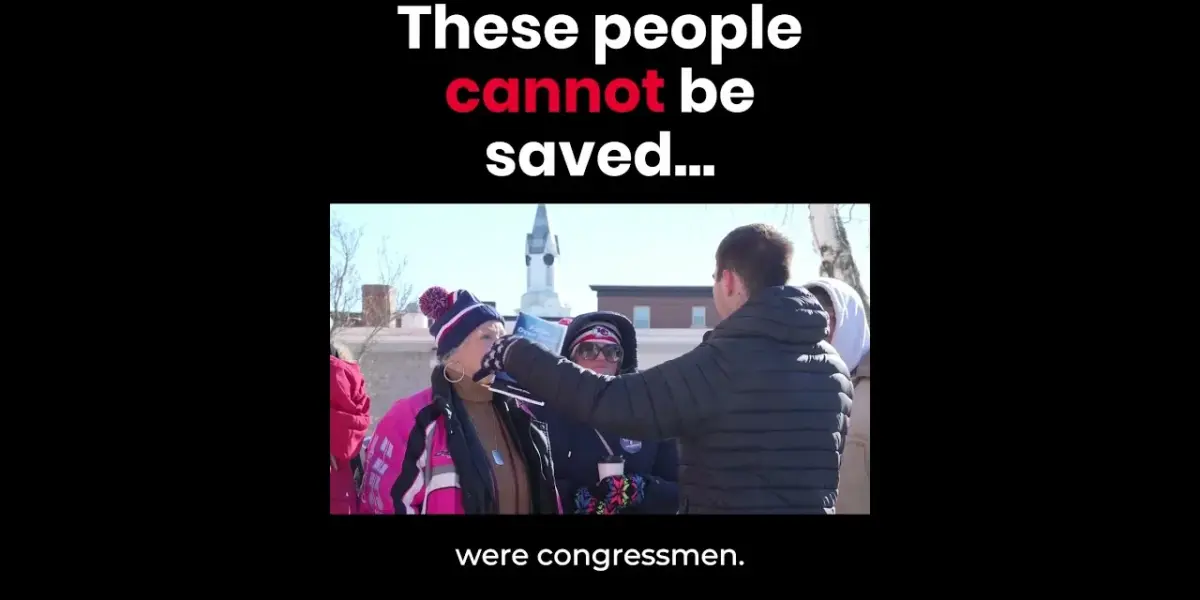
Echoes of January 6th: The Unshakeable Grip of MAGA Ideology
The events of January 6th, 2021, remain a stark reminder of a nation grappling with deep divisions. Recently resurfaced audio from that day offers a chilling glimpse into the mindset of some participants. The conversation centers on the fatal shooting of Ashli Babbitt, a protestor who died while attempting to enter the Speaker’s Lobby during the Capitol riot.
A Troubling Exchange on Violence and Justification
The audio captures a heated exchange. One person asks if the other was chanting “hang Mike Pence.” The response is defensive, questioning the premise. The conversation then shifts to Ashli Babbitt. One speaker defends her actions, stating she was a veteran breaking through a window where lawmakers were present. The other speaker counters that Babbitt was unarmed. They ask if the first person would shoot someone breaking into their house through a window at night. The response is a hesitant “probably. Yes, I would.” This is then used to justify Babbitt’s actions, equating her attempt to enter the Capitol to breaking into a private home.
Justifying the Unjustifiable?
This line of reasoning is deeply flawed. The Capitol is not a private home, and the context of a protest, however unlawful, is vastly different from a home invasion. The argument attempts to normalize or even legitimize Babbitt’s actions by drawing a parallel to self-defense. However, it overlooks the fundamental differences in legal and societal understanding of these scenarios. The assertion that Babbitt was simply “breaking through a window” minimizes the violent and seditious nature of the January 6th events. It’s an attempt to reframe a participant in an attack on American democracy as a victim of excessive force.
The Persistent Narrative
The individual who provided this audio, identifying themselves as being present on January 6th and potentially on an FBI watchlist, seems unrepentant. Their willingness to recount the event and defend the actions of protestors, even in the face of questioning, highlights a persistent narrative within certain segments of the MAGA movement. This narrative often downplays the severity of the Capitol attack, emphasizes perceived grievances, and casts participants as patriots. It suggests that the ideology driving those events continues to hold sway for some.
Historical Context: Political Extremism and Division
Political extremism and intense partisan division are not new to American history. Throughout the nation’s past, periods of significant social upheaval have often been accompanied by radical movements and violent clashes. The January 6th Capitol attack, however, felt distinct. It was a direct assault on the peaceful transfer of power, a cornerstone of American democracy. The fact that elements of the ideology that fueled it remain strong, as evidenced by such conversations, is a cause for concern for the health of democratic institutions.
Why This Matters
This exchange, however brief, is significant because it reveals how deeply ingrained certain beliefs are within the MAGA movement. The continued justification of actions taken on January 6th, even the violent ones, suggests a lack of accountability and a potential for future extremism. It shows that the narrative of victimhood and righteous anger is still potent. Understanding these persistent narratives is crucial for grasping the ongoing challenges to democratic norms and institutions. It forces us to confront the fact that the ideas that led to the Capitol riot have not disappeared.
Implications and Future Outlook
The implications of this continued ideological adherence are far-reaching. It can lead to further political polarization, making compromise and national unity even more difficult to achieve. It also raises questions about the potential for future political violence if grievances are not addressed or if extremist ideologies continue to fester. The future outlook depends on whether these narratives can be challenged and whether a broader consensus can be built around democratic values. It requires open dialogue, a commitment to truth, and a willingness to confront uncomfortable realities about the state of political discourse.
Trends to Watch
One trend to watch is how these narratives are propagated and reinforced within online communities and certain media outlets. Another is the impact these beliefs have on electoral politics and the behavior of elected officials. The ongoing debate about the events of January 6th, and the differing interpretations of them, will likely continue to shape political discussions for years to come. The ability of the country to move forward depends on acknowledging and addressing the root causes of such intense division.
Conclusion
The brief audio clip, while disturbing, offers a window into a mindset that continues to influence a significant portion of the American political landscape. The echoes of January 6th are not fading for everyone. Understanding the persistence of these beliefs is essential for anyone seeking to comprehend the challenges facing American democracy today. The conversation about patriotism, protest, and the limits of acceptable political action remains as relevant as ever.
Source: The MAGA Brainrot Is Too Strong… (YouTube)

Related Articles

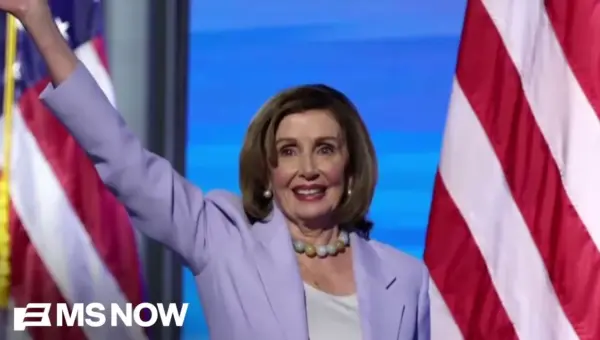
Pelosi Confident Woman President Will Emerge
Former House Speaker Nancy Pelosi believes a woman president will soon hold the highest office, describing the barrier as a "marble ceiling." She reflected on her career, praised Kamala Harris, and discussed her past influence on President Biden's decision not to seek reelection. Pelosi also shared concerns and plans for the midterm elections.
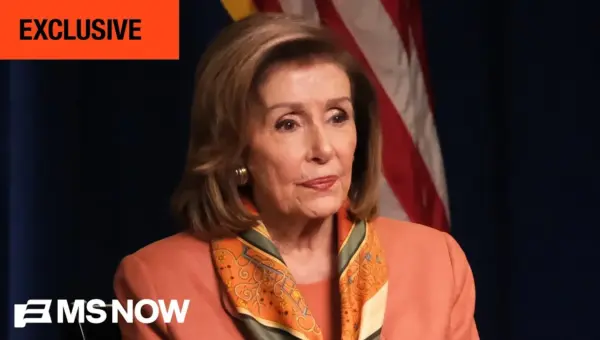
Pelosi Reflects on Legacy, Redistricting Battles, and Women in Politics
Speaker Emerita Nancy Pelosi recently shared her candid thoughts on redistricting battles, her political legacy, and the challenges facing women in leadership. In an exclusive interview, she highlighted the critical importance of fair representation and expressed optimism for the future of female politicians.
Iran Conflict Shifts to Political Arena, Threatening Trump’s Base
The conflict with Iran has shifted from a military operation to a political challenge, potentially defining President Trump's legacy. Concerns over a potential military draft are resurfacing, threatening to alienate young voters crucial to Trump's base. While the military campaign has seen significant successes, the political ramifications are becoming increasingly complex.